Introduction
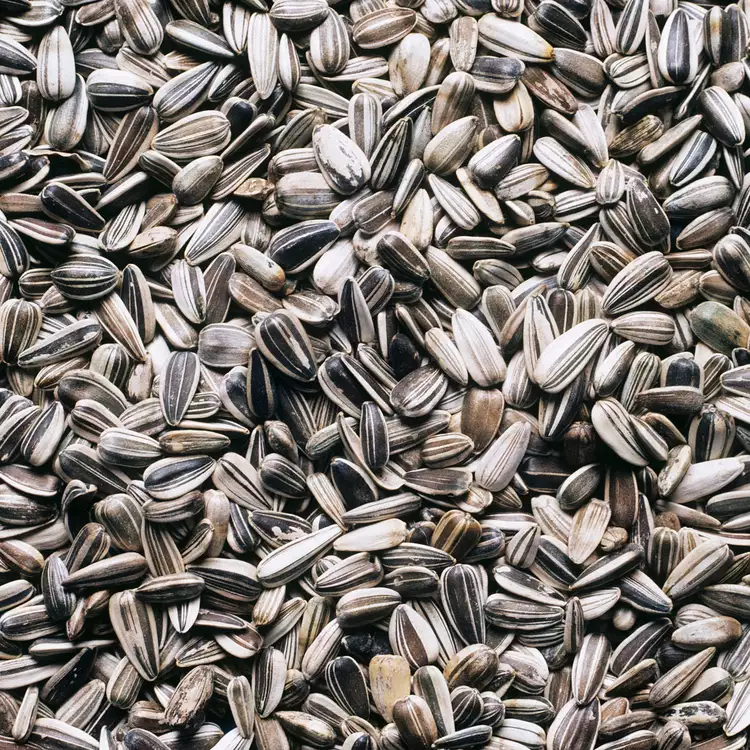
Sunflower seeds, Helianthus annuus, represent a significant component of the global snack food industry. This technical guide addresses the production and quality control of sunflower seed-based snack recipes, encompassing roasted and seasoned varieties. Sunflower seeds occupy a unique position in the value chain, moving from agricultural commodity to value-added consumer product through processes of cleaning, dehulling, roasting, flavoring, and packaging. Core performance characteristics defining market acceptance include kernel size, oil content, moisture content, and freedom from defects (e.g., chipped kernels, foreign material). This guide details the material science, manufacturing processes, performance parameters, potential failure modes, and relevant industry standards governing this segment of the snack food market. The growing consumer demand for healthy snack options, coupled with the increasing availability of diverse flavor profiles, is driving innovation and necessitating stringent quality control measures throughout the production process.
Material Science & Manufacturing
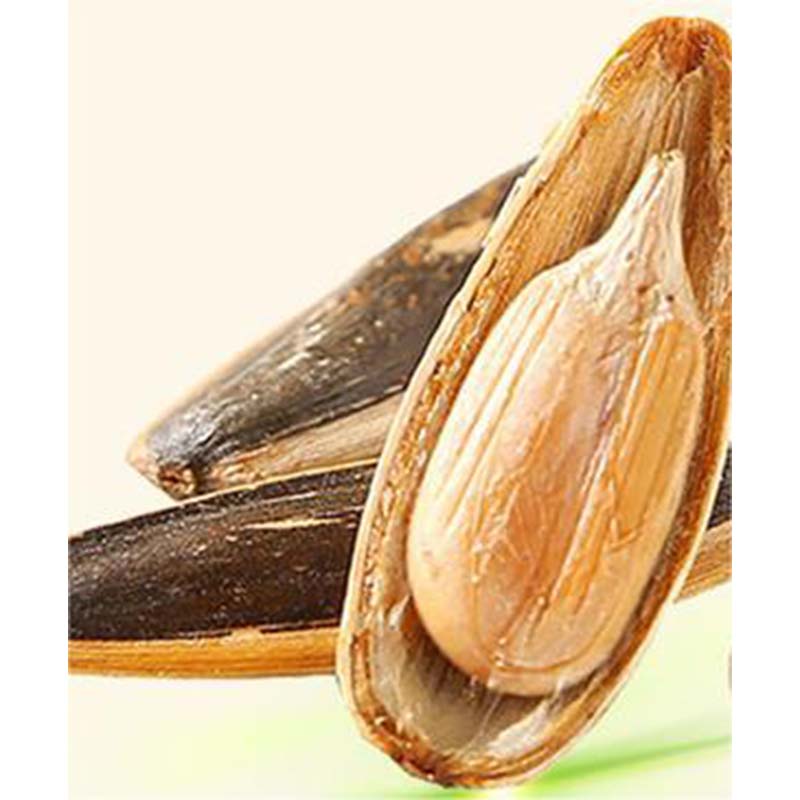
Sunflower seeds comprise primarily of lipid components (40-50% oil content, primarily linoleic acid), protein (20-25%), carbohydrates (15-20%), and fiber (5-10%). Kernel shell composition is largely cellulose and lignin. Raw seed quality significantly impacts the final product. Manufacturing commences with cleaning and foreign material removal, utilizing screens, air separators, and destoners. Dehulling is a critical step; mechanical dehullers employ friction to separate the kernel from the shell. Precise calibration is crucial to minimize kernel damage. Roasting, typically conducted in fluid-bed or rotary roasters, develops flavor and reduces moisture content. Roast temperature (120-180°C) and time (15-45 minutes) are key parameters influencing flavor development, oil oxidation, and acrylamide formation. Seasoning involves application of dry or liquid flavorings, often using tumbling or coating techniques. Uniform coating application is essential for consumer acceptance. Packaging utilizes materials providing barrier properties against oxygen, moisture, and light to preserve freshness and prevent rancidity. Common materials include multi-layer films composed of polyethylene terephthalate (PET), aluminum foil, and polyethylene (PE). Process control relies heavily on real-time monitoring of temperature, humidity, and seed flow rate to ensure consistent product quality.
Performance & Engineering
The structural integrity of the kernel dictates its resistance to cracking during processing and handling. Kernel hardness, measured using a penetrometer, correlates with shell thickness and oil content. Moisture content is a critical parameter, impacting texture and shelf life. Ideal moisture content for roasted sunflower seeds is typically between 2-4%. Excessive moisture promotes microbial growth and rancidity. Oil stability is paramount, assessed through peroxide value (PV) and free fatty acid (FFA) analysis. Antioxidants, such as Vitamin E, are often added to inhibit lipid oxidation. The roasting process induces thermal stresses within the kernel; engineering considerations focus on minimizing these stresses to prevent cracking and fragmentation. Packaging engineering prioritizes barrier properties to prevent oxygen ingress, which accelerates rancidity. Oxygen Transmission Rate (OTR) must be minimized. Compliance requirements include adherence to food safety regulations (e.g., FDA, EFSA) regarding heavy metal content (lead, cadmium) and microbiological contamination. Force analysis during dehulling reveals optimal impact angles and force magnitudes to maximize kernel recovery and minimize damage. Flavor adhesion strength is evaluated using tensile testing to ensure seasoning remains firmly attached to the kernel surface.
Technical Specifications
| Parameter | Unit | Typical Value (Roasted & Salted) | Acceptance Criteria |
|---|---|---|---|
| Moisture Content | % | 3.0 | 2.0 – 4.0 |
| Oil Content | % | 45.0 | 40.0 – 50.0 |
| Kernel Size (average diameter) | mm | 8.5 | 7.5 – 9.5 |
| Peroxide Value (PV) | meq O2/kg | <2.0 | <3.0 (after 3 months storage) |
| Salt Content | % | 1.5 | 1.2 – 1.8 |
| Broken Kernel Percentage | % | <5.0 | <8.0 |
Failure Mode & Maintenance
Common failure modes include rancidity (oxidative degradation of lipids), kernel cracking (due to thermal stress or mechanical impact), seasoning loss (poor adhesion), and microbial contamination (due to inadequate moisture control or hygiene). Rancidity is visually detectable as off-flavors and odors, and chemically confirmed through elevated PV and FFA values. Kernel cracking reduces product appeal and increases waste. Seasoning loss results in inconsistent flavor profiles. Maintenance of roasting equipment is crucial; regular cleaning prevents buildup of oil residues and ensures uniform heat distribution. Dehulling equipment requires periodic inspection and replacement of worn parts (e.g., impact plates, rollers) to maintain efficiency and minimize kernel damage. Storage conditions (temperature, humidity, light exposure) must be carefully controlled to prevent degradation. Preventative maintenance programs should include regular monitoring of critical parameters (temperature, humidity, airflow) and periodic calibration of measuring instruments. Quality control checks at each stage of production are essential to identify and address potential issues before they impact the final product. Implementing a Hazard Analysis and Critical Control Points (HACCP) plan is vital for mitigating food safety risks.
Industry FAQ
Q: What is the impact of sunflower seed variety on final snack product quality?
A: Sunflower seed variety significantly influences oil content, kernel size, and shell characteristics. High-oleic varieties are preferred due to their enhanced oxidative stability, resulting in longer shelf life. Kernel size impacts texture and appearance. The shell’s dehulling characteristics vary by variety, affecting processing efficiency and kernel damage rates. Selection of appropriate varieties is a key aspect of raw material sourcing.
Q: How can acrylamide formation during roasting be minimized?
A: Acrylamide formation is a concern during high-temperature roasting. Minimization strategies include controlling roasting temperature and time, reducing reducing sugar content in the seeds (through pre-treatment or variety selection), and adding antioxidants. Careful monitoring and optimization of the roasting process are essential.
Q: What packaging materials offer the best barrier properties for sunflower seed snacks?
A: Multi-layer films incorporating aluminum foil provide the most effective barrier against oxygen, moisture, and light. PET/Aluminum Foil/PE laminates are commonly used. The thickness of the aluminum foil layer is a critical factor determining barrier performance. Modified Atmosphere Packaging (MAP), utilizing nitrogen flushing, can further extend shelf life.
Q: What are the key considerations for ensuring food safety in sunflower seed snack production?
A: Implementing a robust HACCP plan is paramount. This includes controlling potential hazards such as foreign material contamination, microbiological growth, and chemical residues (e.g., pesticides, heavy metals). Strict hygiene practices, regular sanitation of equipment, and rigorous quality control testing are essential.
Q: How is the uniformity of seasoning application assessed and controlled?
A: Seasoning uniformity is assessed visually and quantitatively through salt content analysis across multiple samples. Coating uniformity can be measured using image analysis techniques. Process parameters such as tumbler speed, seasoning feed rate, and spray nozzle settings (for liquid flavorings) are carefully controlled to achieve consistent coating application.
Conclusion
The production of high-quality sunflower seed-based snacks demands meticulous attention to detail throughout the entire process, from raw material selection to packaging. Understanding the material science of sunflower seeds, optimizing roasting parameters, and implementing stringent quality control measures are critical for delivering a safe, flavorful, and shelf-stable product. Continuous monitoring of key performance indicators, such as moisture content, oil stability, and kernel integrity, is essential for maintaining product consistency.
Future developments in this sector are likely to focus on enhanced processing techniques, novel flavor formulations, and sustainable packaging solutions. Investment in advanced analytical instrumentation for real-time process monitoring will further improve quality control and reduce waste. Exploration of alternative dehulling technologies and optimized roasting profiles will contribute to improved efficiency and product quality. Addressing consumer demand for natural and organic snack options will require careful consideration of sourcing and processing practices.
