Introduction
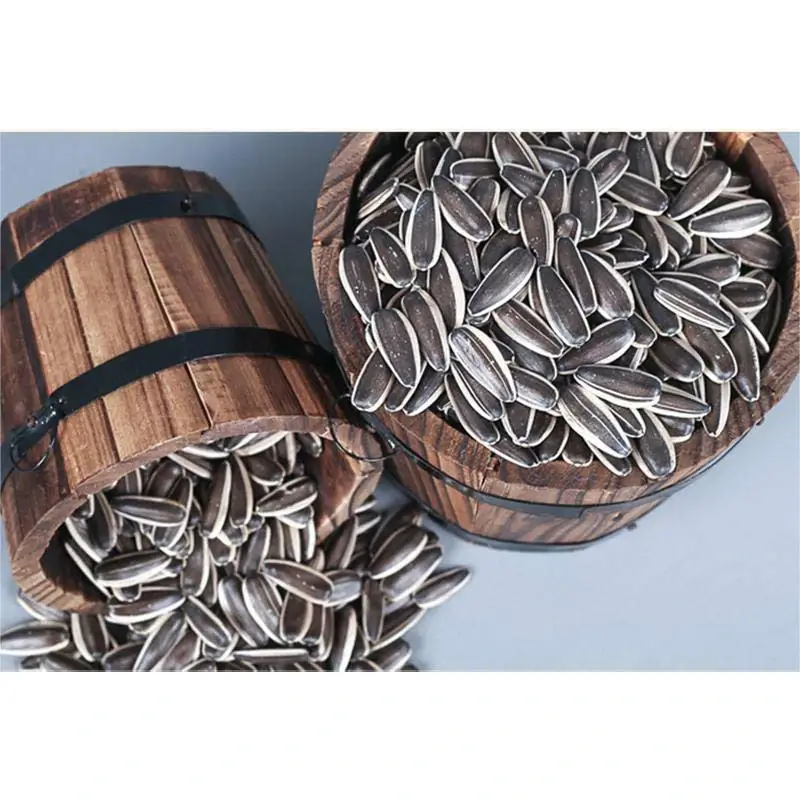
Sunflower seeds, Helianthus annuus, represent a significant commodity within the global snack food industry. Their transformation into diverse snack formats necessitates a complex interplay of agricultural science, food processing engineering, and packaging technology. This guide provides an in-depth technical overview of the processes involved in manufacturing sunflower seed-based snacks, focusing on critical parameters affecting product quality, shelf life, and safety. The industry faces increasing demands for both enhanced flavor profiles and stricter adherence to food safety regulations, particularly regarding allergen control and acrylamide formation. This document addresses these challenges, offering detailed analysis of material properties, processing methods, quality control measures, and potential failure modes. From seed selection and dehulling to roasting, flavoring, and packaging, this guide serves as a comprehensive resource for engineers, procurement managers, and quality assurance professionals within the sunflower seeds recipes snacks manufacturing sector.
Material Science & Manufacturing
The primary raw material, sunflower seeds, exhibits significant variability in composition depending on variety, growing conditions, and harvesting techniques. Kernel oil content, typically ranging from 42-58%, is a critical parameter impacting flavor development during roasting. Protein content (18-25%) contributes to texture and structure. Moisture content at harvest (8-12%) directly influences storage stability and susceptibility to fungal growth. Manufacturing begins with seed cleaning and separation, removing foreign materials like stalks, leaves, and damaged seeds. Dehulling is achieved mechanically, using impact or friction-based systems. Kernel damage during dehulling is a major concern, as it increases susceptibility to rancidity. Roasting, typically carried out in fluid-bed or rotary roasters at temperatures between 120-180°C, is crucial for developing characteristic flavor and achieving desired moisture content (2-4%). Flavoring is applied post-roasting, utilizing dry or liquid seasoning blends. Critical control parameters during roasting include temperature uniformity, roasting time, and airflow rate, directly impacting acrylamide formation and overall flavor profile. Seed coatings, often employing starches or gums, contribute to adhesion of seasonings and enhance textural characteristics. Packaging materials must provide a robust barrier to oxygen, moisture, and light to prevent lipid oxidation and maintain product freshness.
Performance & Engineering
Performance of sunflower seed snacks is critically linked to the mechanical properties of the kernel and the integrity of applied coatings. Kernel hardness, measured using compression testing, influences breakage during processing and consumer acceptance. Coating adhesion strength, assessed via tensile testing, determines seasoning retention. Shelf life is significantly impacted by the rate of lipid oxidation, quantified by peroxide value (PV) and p-anisidine value (AV). Packaging material selection plays a crucial role in minimizing oxygen transmission rate (OTR) and moisture vapor transmission rate (WVTR). Environmental resistance is paramount, particularly concerning temperature fluctuations during storage and transportation. High temperatures accelerate lipid oxidation and degrade coating integrity. Compliance requirements include adherence to FDA regulations regarding food safety, labeling, and allergen control (particularly concerning potential cross-contamination with peanuts or tree nuts). Engineering considerations include optimizing roaster design for uniform heat distribution, implementing automated seasoning systems for precise application, and employing high-speed packaging lines to maximize throughput while maintaining product quality. Finite element analysis (FEA) can be employed to model stress distributions during processing, minimizing kernel breakage and coating damage.
Technical Specifications
| Parameter | Unit | Specification | Test Method |
|---|---|---|---|
| Oil Content | % (dry weight) | 48-55 | Soxhlet Extraction (AOCS Official Method Ak 3.25) |
| Moisture Content | % (weight) | 2-4 | Oven Drying (AOCS Official Method Ba 2-38) |
| Kernel Hardness | N | > 150 | Compression Testing (ASTM D698) |
| Peroxide Value (PV) | meq O2/kg | < 5 | Titration (AOCS Official Method Cd 8-53) |
| p-Anisidine Value (AV) | Units | < 10 | Spectrophotometry (AOCS Official Method Cd 18-90) |
| Oxygen Transmission Rate (OTR) | cc/m²/day | < 10 | ASTM D3985 |
Failure Mode & Maintenance
Common failure modes in sunflower seed snack production include kernel breakage during dehulling and roasting, coating delamination resulting in seasoning loss, rancidity due to lipid oxidation, and acrylamide formation during high-temperature roasting. Kernel breakage is often caused by improper dehulling parameters (impact force, gap settings) or excessive roasting temperatures. Coating delamination can result from insufficient adhesion promotion, improper coating formulation, or mechanical stress during packaging. Rancidity is accelerated by exposure to oxygen, light, and high temperatures, necessitating effective packaging and optimized storage conditions. Acrylamide formation is influenced by roasting temperature, moisture content, and the presence of reducing sugars. Preventative maintenance on roasting equipment is crucial, including regular inspection and cleaning of heating elements, airflow ducts, and temperature sensors. Dehulling equipment requires periodic adjustment of impact plates and screen sizes to minimize kernel damage. Packaging machinery necessitates routine lubrication and inspection of sealing mechanisms to ensure package integrity. Implementing a robust quality control program, including regular sensory evaluation and chemical analysis (PV, AV, acrylamide levels), is essential for identifying and addressing potential issues before they impact product quality or safety.
Industry FAQ
Q: What are the key factors influencing acrylamide formation during sunflower seed roasting?
A: Acrylamide formation is primarily influenced by roasting temperature, moisture content, and the concentration of reducing sugars (like glucose and fructose) present in the seeds. Higher temperatures and lower moisture content generally lead to increased acrylamide levels. Careful control of roasting parameters and selection of seed varieties with lower reducing sugar content can help minimize acrylamide formation.
Q: How can we improve coating adhesion to sunflower seed kernels?
A: Improving coating adhesion involves several strategies. First, surface preparation of the kernels (e.g., light oil coating) can enhance adhesion. Second, selecting a coating formulation with appropriate viscosity and adhesive properties is crucial. Third, ensuring uniform application of the coating and optimizing drying conditions (temperature, airflow) can prevent delamination.
Q: What packaging materials are best suited for extending the shelf life of roasted sunflower seeds?
A: Multi-layer films incorporating a metalized barrier layer (e.g., aluminum foil) and a high-barrier polymer (e.g., EVOH) provide the most effective protection against oxygen and moisture ingress. Modified atmosphere packaging (MAP) utilizing nitrogen flushing can further extend shelf life by displacing oxygen within the package.
Q: How do you determine the optimal roasting profile for maximizing flavor development while minimizing acrylamide?
A: Developing an optimal roasting profile requires careful experimentation and analysis. Response surface methodology (RSM) can be employed to optimize roasting parameters (temperature, time, airflow) based on sensory evaluation (flavor intensity, aroma) and chemical analysis (acrylamide levels). A balance must be struck between maximizing desirable flavor compounds and minimizing undesirable byproducts.
Q: What are the critical quality control checks throughout the sunflower seed snack manufacturing process?
A: Critical quality control checks include raw material inspection (moisture content, oil content, foreign matter), in-process monitoring (roasting temperature, moisture content, coating weight), and finished product analysis (oil content, moisture content, peroxide value, p-anisidine value, acrylamide levels, sensory evaluation). Regular calibration of analytical equipment is essential for accurate results.
Conclusion
The manufacture of sunflower seed snacks is a multifaceted process demanding rigorous control over material science, engineering parameters, and quality assurance protocols. Optimizing the interplay between seed selection, roasting conditions, coating application, and packaging strategies is essential for delivering high-quality, safe, and flavorful products to consumers. Addressing industry challenges such as acrylamide formation, rancidity prevention, and coating adhesion requires a comprehensive understanding of the underlying chemical and physical processes involved.
Future trends within the industry will likely focus on sustainable sourcing of sunflower seeds, development of novel flavor profiles, and implementation of advanced packaging technologies to further extend shelf life and reduce environmental impact. Continued research and development efforts will be crucial for optimizing manufacturing processes, improving product quality, and meeting evolving consumer demands.
