Introduction
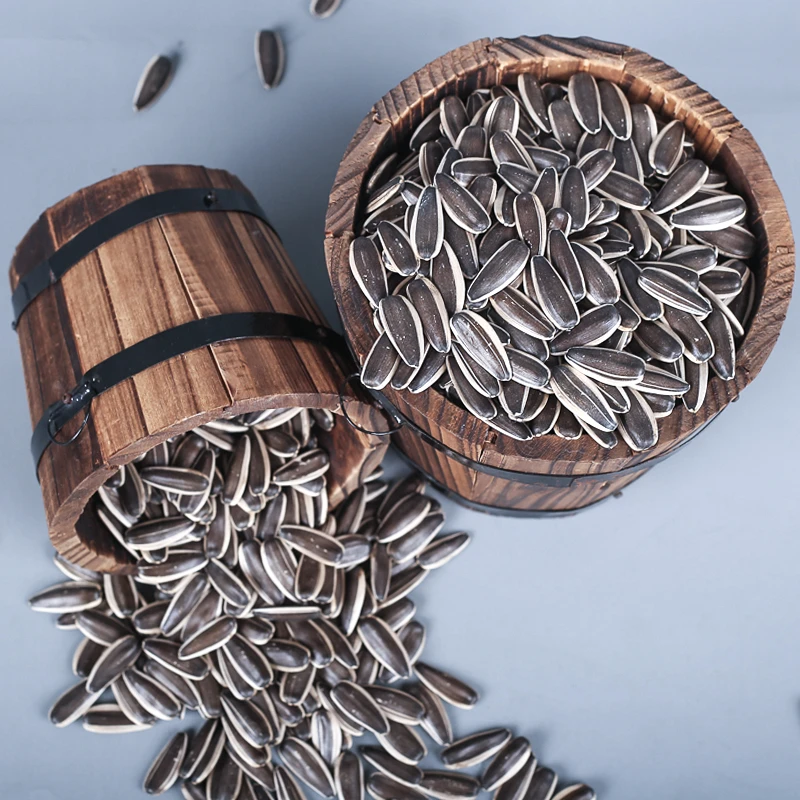
Sunflower seed-based snack production represents a significant sector within the broader snack food industry. This technical guide focuses on the intricate processes, material considerations, and engineering principles underpinning the operation of a sunflower seeds recipes snacks factory. Sunflower seeds ( Helianthus annuus ) are valued for their nutritional profile – high in protein, healthy fats, and vitamins – driving consistent demand. A modern factory doesn’t simply roast seeds; it engages in pre-treatment, flavor application, coating, packaging, and rigorous quality control. The industry faces key pain points including maintaining seed integrity during processing to avoid rancidity, achieving consistent flavor profiles, optimizing energy efficiency within large-scale roasting systems, ensuring compliance with food safety regulations (HACCP, FDA), and minimizing waste from seed breakage and husk remnants. This guide will detail these critical aspects, addressing material science, manufacturing processes, performance engineering, and potential failure modes.
Material Science & Manufacturing
The foundation of sunflower seed snack production lies in the understanding of seed composition and the manipulation of its physical and chemical properties. Sunflower seeds consist of a kernel (the edible portion), a hull (protective outer layer), and an oil content typically ranging from 40-50%. Kernel hardness and hull adhesion are vital characteristics. Raw material selection prioritizes seeds with a high kernel-to-hull ratio and low free fatty acid (FFA) content – an indicator of freshness. Manufacturing begins with seed cleaning, removing foreign materials like stems, leaves, and stones. This is often achieved through a combination of screening, aspiration, and destoning. Pre-treatment commonly involves dehulling. Mechanical dehulling stresses the seed coat, requiring precise control of impact force and gap settings to minimize kernel damage. The resulting kernels undergo roasting, typically in rotary or fluid bed roasters. Roasting temperature (140-180°C), time (20-40 minutes), and airflow are meticulously controlled to achieve desired flavor and moisture content. Flavor application follows, utilizing drum coaters or spray systems to deposit seasonings (salt, spices, flavor enhancers) evenly. Coating systems utilize binders (e.g., modified starch, maltodextrin) to ensure adhesion. Finally, seeds are cooled, inspected for quality, and packaged in moisture-barrier materials (metallized films, multi-layer polymers) to preserve freshness. The choice of roasting oil, if used, impacts flavor and oxidative stability; high oleic sunflower oil is preferred for its enhanced resistance to rancidity. Critical parameters during roasting include water activity (Aw) – controlled to inhibit microbial growth – and peroxide value (PV) – monitored to assess lipid oxidation.
Performance & Engineering
Engineering aspects of a sunflower seed snack factory center around process optimization, heat and mass transfer, and mechanical reliability. Roasting represents the most energy-intensive step. Heat transfer mechanisms—conduction, convection, and radiation—must be precisely managed to ensure uniform roasting and prevent localized burning. Fluid bed roasters offer superior heat transfer efficiency due to increased surface area exposure. Force analysis is critical in dehulling operations. The impact force applied during dehulling must be sufficient to separate the hull from the kernel but low enough to avoid kernel fracturing. Finite Element Analysis (FEA) can be used to optimize dehuller design and operating parameters. Environmental resistance is vital for packaging integrity. Packaging materials must exhibit low oxygen transmission rates (OTR) and low water vapor transmission rates (WVTR) to prevent oxidation and maintain crispness. Compliance requirements dictate adherence to stringent food safety standards, including HACCP (Hazard Analysis and Critical Control Points) and GMP (Good Manufacturing Practices). Metal detection and x-ray inspection systems are employed to detect foreign object contamination. Further, regulatory limits on acrylamide formation during roasting necessitate careful temperature control and monitoring. The structural integrity of conveying systems is paramount; abrasion resistance and material compatibility are key considerations to minimize seed damage and metal contamination.
Technical Specifications
| Parameter | Unit | Specification (Standard) | Acceptable Range |
|---|---|---|---|
| Kernel Moisture Content | % (wb) | 8-12% | 7-14% |
| Roasting Temperature | °C | 160°C | 140-180°C |
| Roasting Time | minutes | 30 | 20-40 |
| Oil Content (Kernel) | % (db) | 50-55% | 45-60% |
| Free Fatty Acid (FFA) | % | ≤ 0.5 | ≤ 1.0 |
| Water Activity (Aw) | - | ≤ 0.65 | ≤ 0.70 |
Failure Mode & Maintenance
Sunflower seed snack production is susceptible to several failure modes. Kernel cracking during dehulling, primarily due to excessive impact force or improper machine settings, leads to product loss and increased dust generation. Rancidity, caused by lipid oxidation, results in off-flavors and reduced shelf life. This is exacerbated by exposure to oxygen, light, and high temperatures. Inconsistent flavor coating, often due to uneven drum rotation or inadequate spray nozzle distribution, results in unacceptable product variations. Mechanical failures in conveying systems—bearing failure, chain breakage—cause production downtime. Degradation of conveyor belts due to abrasion and seed oil exposure reduces efficiency and introduces contamination risks. Preventive maintenance is crucial. Regular inspection and lubrication of dehulling equipment minimizes kernel damage. Monitoring peroxide value (PV) and performing periodic oil analysis detect early signs of rancidity. Calibration of coating equipment ensures consistent flavor application. Scheduled replacement of conveyor belts and bearings prevents catastrophic failures. Implementing a robust cleaning schedule minimizes the buildup of seed dust and debris, reducing fire hazards and maintaining hygiene.
Industry FAQ
Q: What are the primary factors influencing sunflower seed rancidity and how can they be mitigated?
A: Rancidity is primarily caused by the oxidation of unsaturated fatty acids in the sunflower seed oil. Key factors include exposure to oxygen, light, heat, and the presence of metal ions (acting as catalysts). Mitigation strategies include using high-oleic sunflower seeds (more resistant to oxidation), employing oxygen-barrier packaging materials (metallized films), minimizing exposure to heat during processing and storage, adding antioxidants (e.g., Vitamin E, rosemary extract), and employing stainless steel equipment to avoid metal contamination.
Q: How does hull adhesion affect the efficiency of the dehulling process?
A: High hull adhesion requires greater force to remove the hull, increasing the risk of kernel damage. Variations in hull adhesion, influenced by seed moisture content and variety, necessitate dynamic adjustment of dehuller settings. A consistent, optimal hull adhesion profile streamlines the process and minimizes losses.
Q: What are the key considerations when selecting a roasting system (rotary vs. fluid bed)?
A: Rotary roasters are simpler and less expensive but offer less uniform heat transfer. Fluid bed roasters provide superior heat transfer efficiency and more consistent roasting but are more complex and require greater energy input for fluidization. The choice depends on production volume, desired product quality, and energy cost considerations.
Q: How do you ensure consistent flavor application across batches?
A: Consistent flavor application requires precise control of several parameters: uniform drum rotation speed, accurate seasoning dispensing rates, optimal spray nozzle positioning and flow rate (for spray coating), and consistent coating binder concentration. Regular calibration of coating equipment and routine quality checks are essential.
Q: What are the critical regulatory requirements for packaging sunflower seed snacks?
A: Packaging must comply with food contact regulations (e.g., FDA in the US, EFSA in Europe), ensuring that materials do not leach harmful substances into the product. Packaging materials must also meet labeling requirements regarding net weight, ingredient lists, nutritional information, and allergen declarations. Barrier properties (OTR and WVTR) are critical for maintaining product freshness and shelf life, often dictated by regulatory standards.
Conclusion
The successful operation of a sunflower seeds recipes snacks factory necessitates a comprehensive understanding of material science, meticulous process control, and rigorous quality assurance. Optimizing the dehulling and roasting processes is paramount to maximizing yield and achieving desired flavor profiles while minimizing kernel damage and rancidity. Selecting appropriate packaging materials and implementing robust maintenance schedules are crucial for preserving product freshness and preventing costly downtime.
Future advancements in this field will likely focus on energy-efficient roasting technologies, improved dehulling techniques to minimize kernel breakage, and the development of sustainable packaging materials. Further research into the impact of different sunflower seed varieties on flavor and shelf life will also be beneficial. Continuous monitoring of regulatory changes and proactive adaptation to evolving consumer preferences are essential for maintaining a competitive edge in this dynamic market.
