Introduction
Sunflower seeds, Helianthus annuus, represent a significant commodity within the global snack food industry, particularly as exported products. These seeds are not merely a simple confection; their preparation—ranging from basic roasting and salting to complex flavor coatings and recipe integration—demands precise control over processing parameters to maintain quality, safety, and palatability for diverse international markets. The export of sunflower seed-based snacks necessitates a deep understanding of both agricultural science and food technology, alongside strict adherence to international food safety standards. This guide provides a comprehensive technical overview of sunflower seed processing for export, encompassing material characteristics, manufacturing processes, performance considerations, potential failure modes, and relevant regulatory frameworks. Core challenges faced by exporters include maintaining consistent kernel quality, preventing rancidity, ensuring optimal flavor adhesion, and complying with varying import regulations regarding aflatoxin levels, pesticide residues, and packaging requirements. The industry is shifting towards value-added products – flavored seeds, seed mixes, and inclusion in formulated snacks – increasing the complexity of quality control and the need for advanced processing technologies.
Material Science & Manufacturing
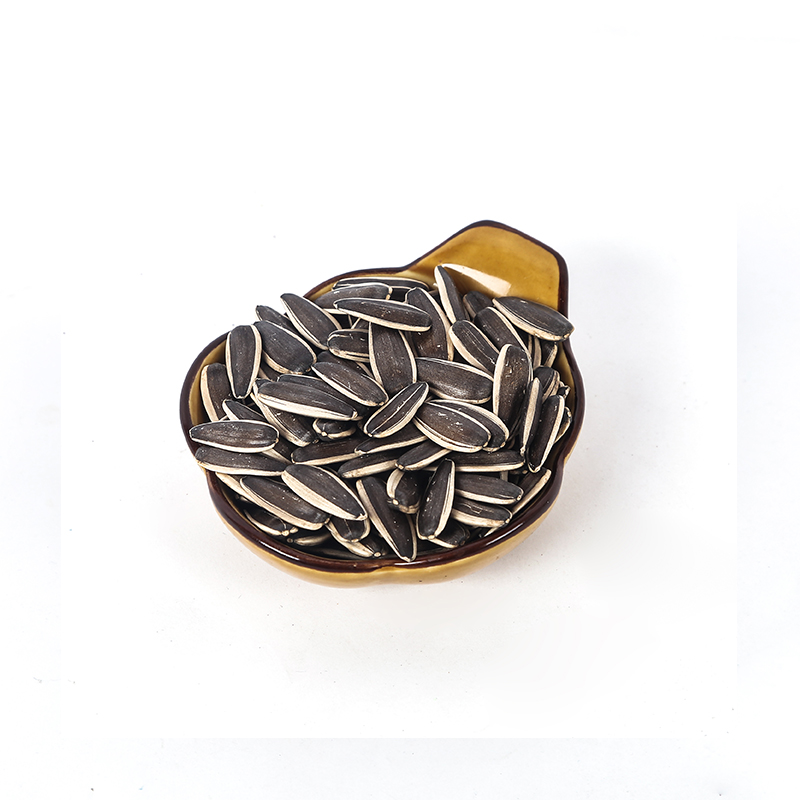
Sunflower seeds consist of a kernel (cotyledon), hull (pericarp), and a small embryo. The kernel comprises approximately 50-55% oil, 20-25% protein, 10-15% carbohydrates, and 5-10% moisture. Oil composition varies with seed variety, influencing flavor profile and oxidative stability. Linoleic acid is the predominant fatty acid, making seeds susceptible to rancidity. Hull composition is primarily cellulose and lignin. Manufacturing begins with harvesting and drying to a moisture content of 8-10%. De-hulling is crucial, typically employing mechanical methods (impact, friction, or a combination). De-hulling efficiency impacts final product yield and quality; incomplete removal increases bitterness and reduces shelf life. Following de-hulling, seeds undergo cleaning to remove foreign material (stalks, leaves, stones). Grading by size and density ensures uniform processing and improves aesthetic appeal. Roasting is a critical step, developing flavor, reducing moisture content, and inactivating enzymes responsible for lipid degradation. Roasting temperature (120-180°C) and time (10-30 minutes) are precisely controlled based on seed variety and desired flavor profile. Flavor coatings are applied post-roasting, utilizing tumbling equipment for even distribution. Coating formulations vary widely, encompassing salt, spices, sweeteners, and hydrocolloids for adhesion. Parameter control during roasting is paramount; excessive temperatures cause scorching and off-flavors, while insufficient temperatures lead to incomplete enzyme inactivation and reduced shelf life. Equipment materials must be compatible with the seeds and coatings to prevent contamination and corrosion.
Performance & Engineering
The performance of sunflower seed snacks is critically linked to their physical and chemical stability during processing, storage, and transportation. Force analysis during de-hulling operations optimizes mechanical parameters to minimize kernel damage. The impact strength of the hull, kernel hardness, and friction coefficients are key parameters. Environmental resistance, specifically moisture and oxygen permeability, governs shelf life. Packaging materials must provide an effective barrier to prevent rancidity and maintain crispness. Compliance requirements, such as those stipulated by the FDA (USA), EFSA (Europe), and local regulations, mandate adherence to maximum permissible levels of aflatoxins, pesticide residues, and heavy metals. Flavor adhesion strength is crucial for coated seeds, determined by the interaction between the coating matrix and the seed surface. Hydrocolloids in the coating enhance adhesion by increasing viscosity and surface tension. Temperature cycling during storage and transportation induces stresses within the seeds and coatings. Thermal expansion coefficients of the materials must be considered to prevent cracking or delamination. Vacuum packaging and nitrogen flushing can minimize oxygen exposure and prolong shelf life. Optimizing packaging design for efficient palletization and container loading reduces transportation costs and minimizes damage during handling.
Technical Specifications
| Parameter | Specification | Test Method | Industry Standard |
|---|---|---|---|
| Moisture Content | ≤ 8% | Oven Drying (ASTM D955) | FDA, CODEX |
| Oil Content | 48-58% (Dry Basis) | Soxhlet Extraction (AOAC 920.39) | ISO 659-1 |
| Aflatoxin Levels (B1, B2, G1, G2) | ≤ 2 ppb (Total) | HPLC (AOAC 999.07) | EU Regulation 1881/2006 |
| Free Fatty Acid (FFA) | ≤ 0.5% (Oleic Acid) | Titration (AOCS Cd 3-63) | GB 51312-2016 |
| Peroxide Value (PV) | ≤ 10 meq O2/kg | Titration (AOCS Cd 8-53) | EN ISO 6218 |
| Hull Content | ≤ 2% | Visual Inspection/Mechanical Separation | Industry Best Practice |
Failure Mode & Maintenance
Sunflower seed snack products are susceptible to several failure modes. Rancidity, caused by lipid oxidation, is a primary concern, resulting in off-flavors and reduced nutritional value. This is accelerated by exposure to oxygen, light, and elevated temperatures. Fatigue cracking of the kernels can occur during processing (de-hulling, roasting) or handling, compromising structural integrity. Delamination of coatings is common, particularly with inadequate adhesion or exposure to moisture. Degradation of flavor compounds leads to diminished palatability over time. Oxidation of unsaturated fatty acids contributes to color changes and the formation of undesirable volatile compounds. Preventive maintenance of processing equipment is vital. Regular cleaning and lubrication of de-hullers, roasters, and coating drums minimize wear and tear and prevent contamination. Storage conditions must be carefully controlled—low temperature (≤ 25°C), low humidity (≤ 60%), and protection from light. Packaging should be regularly inspected for integrity. Quality control measures, including routine testing for aflatoxins, FFA, and peroxide value, are essential to identify and address potential problems before product release. Traceability systems should be implemented to track seed origin and processing parameters, facilitating rapid recall if necessary. Implementing a robust HACCP plan is crucial for mitigating food safety risks.
Industry FAQ
Q: What are the critical considerations regarding aflatoxin control for export to the European Union?
A: The EU has stringent regulations regarding aflatoxin levels. Exporters must demonstrate compliance with Regulation (EC) No 1881/2006, which sets maximum limits for total aflatoxins (B1, B2, G1, G2) in sunflower seeds. Regular testing using validated HPLC methods is crucial, and traceability systems must be in place to identify the source of any contamination. Implementation of good agricultural practices, proper drying techniques, and effective sorting procedures are also essential for minimizing aflatoxin risk.
Q: How does seed variety impact the roasting process and final product quality?
A: Different sunflower seed varieties exhibit variations in oil content, kernel size, and hull structure. High-oil varieties typically require lower roasting temperatures and shorter durations to prevent scorching. Larger kernels may require longer roasting times for uniform heating. Hull thickness influences de-hulling efficiency and affects the final product's texture. Selecting appropriate roasting parameters based on seed variety is crucial for optimizing flavor development and minimizing defects.
Q: What packaging materials offer the best barrier properties for preserving sunflower seed snack freshness?
A: Multi-layer films incorporating aluminum foil, metallized polyester, or EVOH (ethylene vinyl alcohol) provide excellent barriers against oxygen, moisture, and light. The choice of material depends on the desired shelf life and cost considerations. Vacuum packaging or modified atmosphere packaging (MAP) using nitrogen flushing can further enhance preservation by reducing oxygen exposure. The seal integrity of the packaging is paramount to prevent ingress of contaminants.
Q: How can we ensure consistent flavor adhesion for coated sunflower seeds?
A: Consistent flavor adhesion relies on several factors. Proper seed surface preparation (e.g., light oiling) enhances coating adhesion. Coating formulations should include hydrocolloids (e.g., gum arabic, maltodextrin) to increase viscosity and surface tension. Precise control of tumbling speed and coating application rate is vital for even distribution. The coating should be applied while the seeds are still warm from roasting to promote adhesion.
Q: What are the key differences between hot air roasting and drum roasting for sunflower seeds?
A: Hot air roasting provides more uniform heat distribution, resulting in consistent roasting throughout the batch. It generally leads to a lighter color and milder flavor. Drum roasting, however, imparts a more intense roasted flavor due to direct contact with the heated drum surface, but requires careful control to prevent scorching. Drum roasting can be more efficient for larger batches, while hot air roasting is better suited for delicate coatings or smaller volumes.
Conclusion
The successful export of sunflower seed snacks necessitates a comprehensive understanding of the interplay between material science, manufacturing processes, and stringent quality control measures. Maintaining optimal moisture content, preventing rancidity through effective packaging and storage, and adhering to international food safety regulations are paramount. The industry’s ongoing shift towards value-added products demands continuous innovation in coating technologies and flavor development.
Future developments are likely to focus on sustainable sourcing of seeds, improved de-hulling techniques to minimize kernel damage, and the use of advanced analytical methods for rapid aflatoxin detection. Implementing robust traceability systems and embracing data-driven process optimization will be crucial for ensuring product safety, maintaining consistent quality, and enhancing competitiveness in the global marketplace.
