Introduction
Sunflower seeds, Helianthus annuus, represent a globally significant oilseed crop and a versatile snack food. The export market for sunflower seed-based snacks is driven by increasing consumer demand for healthy, convenient, and plant-based options. This technical guide focuses on the critical parameters governing the quality, processing, and shelf-life of sunflower seed-based snack products destined for international export. We will examine the raw material characteristics, manufacturing techniques, quality control measures, potential failure modes, and relevant international standards necessary for a successful B2B operation in this sector. The primary concern for exporters is maintaining consistent quality to meet diverse regulatory requirements and consumer expectations across different markets. Critical performance factors include oil content, moisture activity, flavor profile, and the absence of mycotoxins and foreign materials. This guide aims to provide a comprehensive technical foundation for optimizing the entire supply chain, from seed sourcing to finished product distribution.
Material Science & Manufacturing
Sunflower seeds consist of a hull (pericarp), kernel, and embryo. The kernel is rich in oil (40-55%), protein (20-25%), and fiber. Seed varieties are broadly categorized as linoleic (high in linoleic acid, omega-6) or high oleic (high in oleic acid, omega-9), influencing oxidative stability and shelf life. Raw material sourcing is paramount; seed quality is directly impacted by genetics, growing conditions (temperature, rainfall, soil composition), and harvesting practices. Manufacturing processes vary based on the desired snack product. Common methods include:
- Dehulling: Mechanical removal of the hull. Parameter control involves impact force and abrasion to minimize kernel damage. Properly dehulling preserves flavor and reduces bitterness.
- Cleaning & Grading: Separation of foreign materials (stones, stems, broken seeds) and classification by size and density. Optical sorters are increasingly used for high-precision grading.
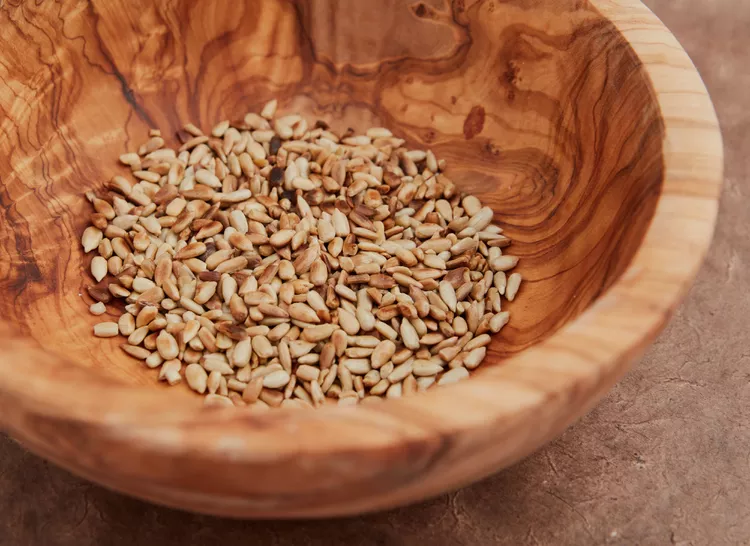
- Roasting: Applied heat to develop flavor, reduce moisture content, and inactivate enzymes. Critical parameters are temperature (140-180°C), duration (15-30 minutes), and airflow. Uneven roasting leads to off-flavors and textural inconsistencies.
- Seasoning: Application of salt, spices, or coatings. Uniform distribution is achieved through tumbling or fluidized bed coating techniques.
- Coating (Optional): May include sugar, chocolate, or savory seasonings. Coating formulations must consider adhesion, moisture barrier properties, and compatibility with the kernel.
- Packaging: Typically uses multi-layer films (PET/PE or PET/Aluminum/PE) to provide oxygen and moisture barriers. Modified Atmosphere Packaging (MAP) with nitrogen flushing is often employed to extend shelf life.
Material compatibility is crucial. Stainless steel is preferred for processing equipment to prevent iron contamination and corrosion. Food-grade lubricants and sealants are essential to avoid migration of harmful substances into the product.

Performance & Engineering
The performance of sunflower seed snacks is governed by several engineering principles. Shear force analysis is critical in assessing kernel fracture during dehulling and roasting. Moisture content control directly influences texture (crunchiness) and susceptibility to microbial growth. Water activity (Aw) must be maintained below 0.7 to inhibit spoilage. Environmental resistance relates to packaging integrity and the ability to withstand temperature fluctuations during transport and storage. Compliance requirements include:
- Food Safety Regulations: Compliance with regulations such as the FDA (USA), EFSA (Europe), and corresponding standards in importing countries. This includes adherence to Good Manufacturing Practices (GMP) and Hazard Analysis and Critical Control Points (HACCP) principles.
- Mycotoxin Limits: Stringent limits for aflatoxins, ochratoxin A, and other mycotoxins. Regular testing is crucial, particularly in regions prone to fungal contamination.
- Heavy Metal Limits: Monitoring of lead, cadmium, and other heavy metals to ensure compliance with international standards.
- Pesticide Residue Limits: Adherence to Maximum Residue Levels (MRLs) for pesticides used during seed cultivation.
- Allergen Control: Accurate labeling of potential allergens, such as nuts or soy (if used in seasonings or coatings).
Furthermore, packaging must provide adequate barrier properties against oxygen permeation (OTR) and water vapor transmission (WVTR) to maintain product freshness. Mechanical strength of packaging is also important to prevent breakage during handling and transportation.
Technical Specifications
| Parameter | Unit | Specification (Standard Grade) | Specification (Premium Grade) |
|---|---|---|---|
| Moisture Content | % | ≤ 8.0 | ≤ 6.0 |
| Oil Content (Dry Basis) | % | ≥ 48.0 | ≥ 52.0 |
| Broken Kernels | % | ≤ 5.0 | ≤ 2.0 |
| Foreign Matter | % | ≤ 1.0 | ≤ 0.5 |
| Aflatoxin B1 | ppb | ≤ 20 | ≤ 5 |
| Water Activity (Aw) | - | ≤ 0.70 | ≤ 0.65 |
Failure Mode & Maintenance
Sunflower seed snacks are susceptible to several failure modes. Rancidity, caused by lipid oxidation, is a major concern. This is accelerated by exposure to oxygen, light, and elevated temperatures. Hygroscopic nature leads to moisture absorption, causing loss of crispness and microbial growth. Kernel cracking during processing reduces product appeal and increases waste. Flavor deterioration can occur due to Maillard reactions or the development of off-flavors during storage. Packaging failure (e.g., punctures, seal defects) compromises barrier properties and accelerates spoilage.
Preventive maintenance is crucial. Regular cleaning of processing equipment minimizes contamination. Temperature and humidity control in storage areas is essential. Implementing a First-In, First-Out (FIFO) inventory management system ensures product rotation. Packaging integrity should be routinely inspected. Oil stability can be improved through the addition of antioxidants (e.g., Vitamin E, rosemary extract). Regular monitoring of mycotoxin levels is essential to detect and mitigate potential contamination. A proactive quality control program including sensory evaluation and chemical analysis is necessary to identify and address potential problems early in the process.
Industry FAQ
Q: What is the impact of sunflower seed variety (high oleic vs. linoleic) on shelf life?
A: High oleic sunflower seeds exhibit significantly improved oxidative stability compared to linoleic varieties. The higher proportion of monounsaturated fatty acids (oleic acid) reduces the rate of rancidity, extending the shelf life of the snack product without the need for excessive antioxidant addition. While more expensive, high oleic seeds provide a clear performance advantage for export markets requiring extended shelf life.
Q: How can we effectively control aflatoxin contamination in sunflower seeds?
A: Aflatoxin control requires a multi-faceted approach. Start with sourcing seeds from reputable suppliers with established quality control programs. Implement thorough seed cleaning and grading to remove visibly contaminated seeds. Employ proper storage practices, maintaining low moisture content and temperature. Consider the use of aflatoxin binders (though their efficacy can vary) and implement regular testing at multiple stages of the process to ensure compliance with regulatory limits.
Q: What packaging materials offer the best barrier properties for sunflower seed snacks?
A: Multi-layer films combining PET (polyethylene terephthalate) for strength and clarity, aluminum foil for oxygen barrier, and PE (polyethylene) for heat sealability provide optimal protection. The thickness of each layer impacts barrier performance. Modified Atmosphere Packaging (MAP) with nitrogen flushing further reduces oxygen levels within the package, extending shelf life. Proper seal integrity is paramount and should be regularly inspected.
Q: What are the key parameters to monitor during the roasting process?
A: Crucial parameters include roasting temperature, roasting time, airflow rate, and seed bed depth. Temperature must be carefully controlled to achieve desired flavor development without causing scorching or kernel damage. Monitoring moisture content during roasting is vital to prevent over-drying or under-roasting. Uniform airflow ensures even heat distribution. Regular sensory evaluation is essential to assess the flavor profile and texture of the roasted seeds.
Q: What documentation is typically required for export of sunflower seed snacks?
A: Required documentation varies by importing country, but generally includes a commercial invoice, packing list, bill of lading, certificate of origin, health certificate (verifying sanitary conditions and compliance with food safety regulations), and laboratory analysis reports (demonstrating compliance with mycotoxin limits, heavy metal limits, and pesticide residue levels). Some countries may require additional documentation, such as import permits or allergen declarations.
Conclusion
The successful export of sunflower seed-based snacks hinges on a meticulous approach to quality control and process optimization. Understanding the interplay between raw material characteristics, manufacturing parameters, and packaging integrity is critical for delivering a consistent, safe, and appealing product to international markets. Maintaining compliance with diverse regulatory requirements, particularly concerning food safety and mycotoxin limits, is paramount.
Investing in advanced analytical capabilities, implementing robust quality assurance systems, and prioritizing preventive maintenance are essential for mitigating potential failure modes and maximizing shelf life. Continuous improvement through process monitoring, data analysis, and adherence to international standards will enable exporters to thrive in this competitive market. Furthermore, exploring innovative packaging solutions and sourcing high-quality raw materials will contribute to long-term success.
