Introduction
Sunflower seeds, originating from Helianthus annuus, represent a crucial commodity in the global food and oilseed industries. Raw sunflower seeds, supplied to processing facilities, are the foundational input for edible oil production, confectionery products, and animal feed. The quality of these raw materials directly impacts the efficiency of downstream processing and the final product characteristics. This guide provides a comprehensive technical overview for procurement managers and engineers involved in sourcing sunflower seeds, addressing material science, manufacturing considerations, performance specifications, potential failure modes, and relevant industry standards. The primary pain points in sourcing revolve around consistent oil content, minimizing kernel damage during harvesting and handling, and ensuring compliance with international food safety regulations. Variation in genotype, growing conditions, and post-harvest processing significantly influences these factors, creating challenges for maintaining consistent quality and supply chain reliability.
Material Science & Manufacturing
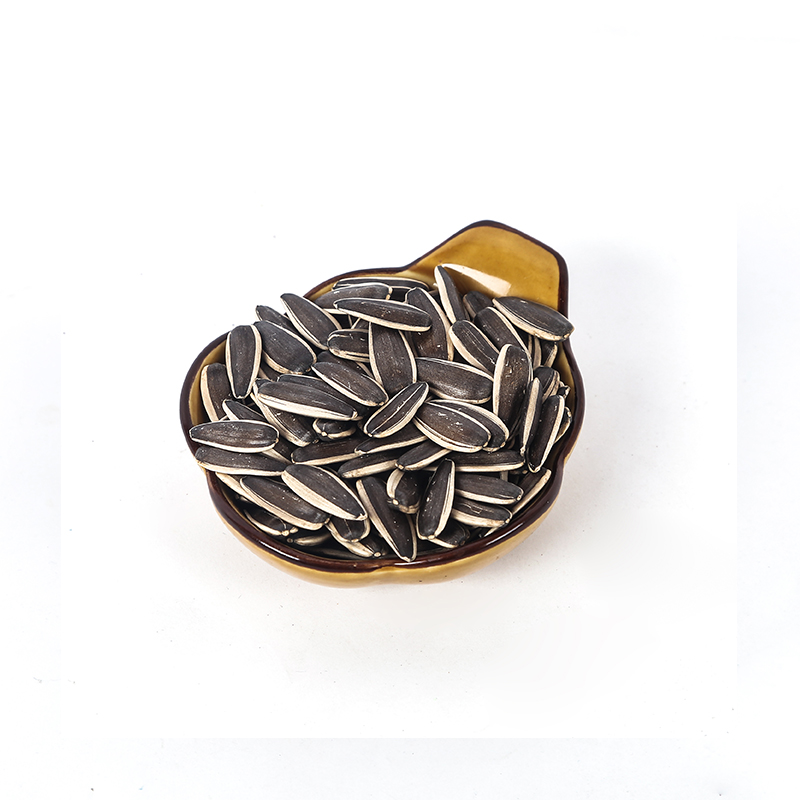
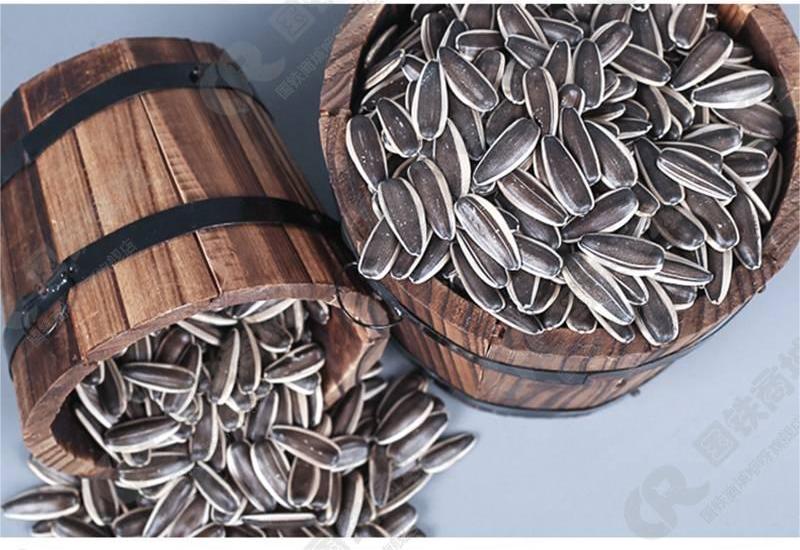
Sunflower seeds are composed of approximately 35-55% oil, 20-30% protein, 15-25% hull (or husk), and 5-10% moisture. The oil primarily consists of linoleic acid (typically 60-74%), oleic acid (10-30%), and palmitic acid (3-6%). The protein content is notable for its amino acid profile, making it valuable in animal feed formulations. The hull provides structural integrity but contributes to processing waste. Seed maturity significantly influences oil content and quality; optimal maturity corresponds to a moisture content of approximately 9-11%. Manufacturing begins with agricultural cultivation. Seed varieties are classified as confectionary (large kernel size, black or striped hull) or oilseed (smaller kernel size, black hull). Harvesting is typically mechanized, utilizing combine harvesters. Post-harvest processing includes cleaning (removal of debris), drying (reducing moisture content to 8-9% to inhibit mold growth and maintain oil quality), dehulling (optional, dependent on end-use), and grading based on size and quality. Key parameter control during drying is critical to prevent cracking and maintain oil quality; temperatures above 60°C can lead to oil oxidation and reduced nutritional value. Dehulling efficiency impacts the oil yield and protein content of the resulting products. Storage conditions – low temperature (below 10°C) and humidity (below 65%) – are crucial to prevent rancidity and insect infestation.
Performance & Engineering
The performance of sunflower seeds, from a supply chain perspective, is evaluated based on several key engineering considerations. Firstly, bulk density is crucial for storage and transportation efficiency. Variations in seed size and hull content affect bulk density; consistent seed size minimizes compaction issues. Secondly, friability – the tendency to fracture or break during handling – is a critical factor. High friability leads to increased fines (broken seed particles) which reduce oil yield and affect processing efficiency. Friability is influenced by moisture content and impact forces during harvesting and handling. Force analysis during conveying and storage must account for these forces to minimize damage. Environmental resistance is paramount; prolonged exposure to humidity promotes mold growth (particularly Aspergillus species) leading to aflatoxin contamination – a significant food safety concern. Therefore, storage facilities must be properly ventilated and climate-controlled. Compliance requirements adhere to food safety standards, including maximum permissible levels of aflatoxins, pesticide residues, and heavy metals. Packaging materials must provide adequate barrier protection against moisture, oxygen, and light to preserve seed quality during storage and transport. Structural integrity of packaging (tensile strength, puncture resistance) is also crucial to prevent seed loss during handling.
Technical Specifications
| Parameter | Unit | Typical Value (Oilseed Variety) | Typical Value (Confectionery Variety) |
|---|---|---|---|
| Oil Content (Dry Basis) | % | 48-58 | 40-50 |
| Moisture Content | % | 8-9 | 8-9 |
| Kernel Size (Diameter) | mm | 6-8 | 12-16 |
| Hull Content | % | 20-30 | 5-10 |
| Protein Content (Dry Basis) | % | 20-28 | 22-30 |
| Aflatoxin B1 (Maximum Permissible Level) | ppb | 20 | 20 |
Failure Mode & Maintenance
Sunflower seeds are susceptible to several failure modes during storage and handling. One primary mode is lipid oxidation, leading to rancidity and reduced oil quality. This is accelerated by exposure to oxygen, light, and elevated temperatures. Preventive maintenance includes proper storage conditions (low temperature, dark, airtight containers) and the addition of antioxidants (e.g., Vitamin E) during processing. Another failure mode is mechanical damage (cracking, chipping) resulting from improper handling during harvesting, drying, or transportation. Mitigation strategies include gentle handling procedures, optimized drying parameters, and cushioning materials during transport. Biological degradation – mold growth and insect infestation – is a significant concern. Aflatoxin production by Aspergillus species poses a serious food safety risk. Preventive measures involve rigorous cleaning, drying to appropriate moisture levels, proper ventilation, and the use of appropriate fumigants or biocides (following regulatory guidelines). Physical contamination (e.g., stones, metal fragments) can occur during harvesting and processing. Implementing robust quality control procedures, including metal detectors and screening equipment, is essential. Regular inspection of storage facilities for signs of pest infestation or mold growth is crucial for proactive maintenance and preventing significant losses. Finally, kernel shrinkage due to moisture loss can affect grading and processing efficiency. Maintaining consistent moisture content throughout the supply chain is vital.
Industry FAQ
Q: What is the acceptable level of foreign material (FM) in a shipment of raw sunflower seeds?
A: The acceptable level of foreign material varies depending on the contract specifications and intended use. However, a typical industry standard for oilseed varieties is ≤1.0%, while confectionery varieties generally require ≤0.5%. FM includes stems, leaves, dirt, stones, and other non-seed material. Detailed inspection and grading procedures are crucial for verifying compliance.
Q: How does seed maturity impact oil yield and quality?
A: Optimal seed maturity, typically reached when the back of the seed head turns yellow-brown, is critical for maximizing oil yield and quality. Harvesting too early results in lower oil content and smaller seed size. Harvesting too late can lead to seed shattering, reduced oil quality (due to oxidation), and increased susceptibility to mold growth.
Q: What are the key considerations for long-term storage of raw sunflower seeds?
A: Long-term storage requires maintaining low temperature (below 10°C), low humidity (below 65%), and adequate ventilation. Seeds should be stored in airtight containers to prevent moisture absorption and oxidation. Regular monitoring for signs of insect infestation or mold growth is essential. The use of inert gas blanketing (e.g., nitrogen) can further reduce oxidation.
Q: What methods are used to detect aflatoxin contamination in sunflower seeds?
A: Aflatoxin contamination is typically detected using enzyme-linked immunosorbent assay (ELISA) or high-performance liquid chromatography (HPLC) with fluorescence detection. These methods provide quantitative results, allowing for accurate assessment of aflatoxin levels and ensuring compliance with regulatory limits. Regular sampling and testing are crucial.
Q: What impact do different harvesting methods have on seed quality?
A: Direct combining is the most common harvesting method. However, careful adjustment of combine settings (reel speed, cylinder speed, concave clearance) is crucial to minimize seed damage. Delayed harvesting or swathing (cutting and drying the heads before combining) can reduce seed losses and improve quality but increases the risk of weathering and mold growth. Pre-harvest sprouting, due to rainfall, negatively impacts oil quality.
Conclusion
Sourcing high-quality raw sunflower seeds necessitates a thorough understanding of the underlying material science, manufacturing processes, and potential failure modes. Maintaining consistent oil content, minimizing kernel damage, and ensuring adherence to food safety regulations are paramount concerns for procurement professionals. Rigorous quality control procedures, optimized storage conditions, and proactive maintenance strategies are essential for preserving seed quality throughout the supply chain.
The long-term sustainability of the sunflower seed supply chain hinges on continuous improvement in agricultural practices, post-harvest handling techniques, and technological advancements in seed grading and processing. Future trends may include the development of more resilient seed varieties with improved resistance to mold growth and insect infestation, as well as the implementation of advanced sensor technologies for real-time monitoring of seed quality during storage and transportation. Collaboration between suppliers, processors, and researchers is crucial for addressing emerging challenges and ensuring a reliable and sustainable supply of this vital commodity.
