Introduction
Sunflower seeds, in their raw, unprocessed state, represent a critical agricultural commodity within the global food and oilseed industry. This technical guide details the characteristics, manufacturing considerations, performance parameters, potential failure modes, and industry standards relevant to raw sunflower seeds intended for further processing – primarily oil extraction, confectionary applications, and animal feed. Positioned between primary agricultural production and secondary processing, raw sunflower seeds are subject to stringent quality control focused on moisture content, foreign material, seed integrity, and oil content. Core performance characteristics center around these key parameters, directly influencing processing efficiency and the quality of downstream products. This guide will focus on Helianthus annuus varieties cultivated for oil and confectionery, excluding ornamental sunflower seeds.
Material Science & Manufacturing
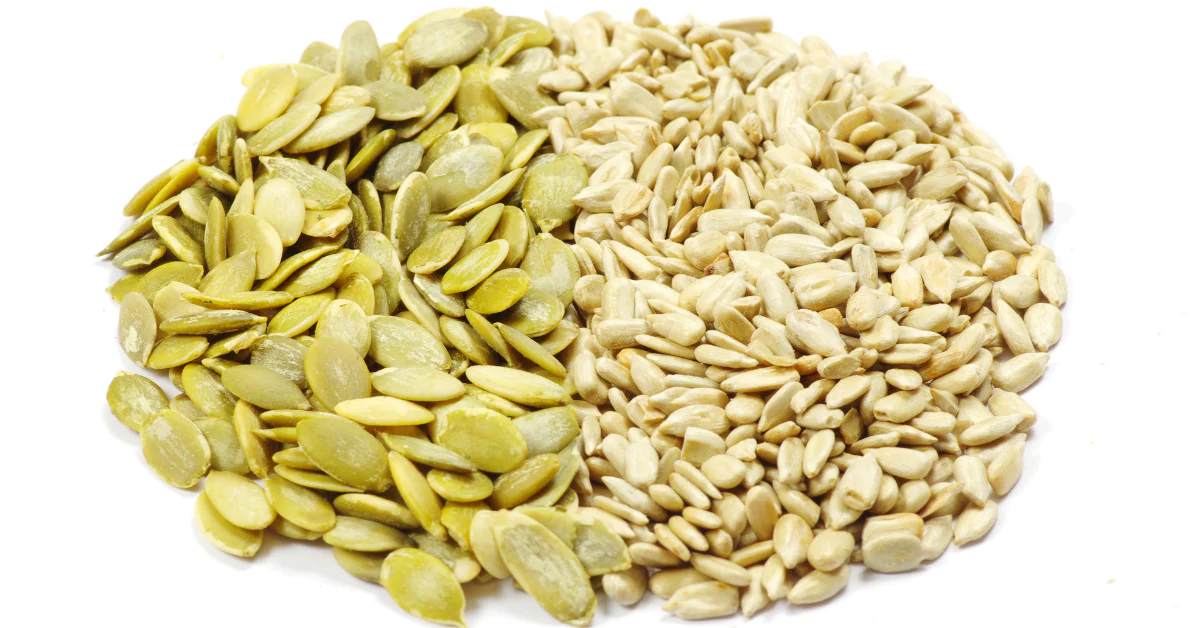
Raw sunflower seeds are primarily composed of three key components: the kernel (cotyledon), the hull (pericarp), and the embryonic root. The kernel constitutes approximately 65-75% of the seed’s total weight and is rich in oil (40-55% depending on the variety), protein (20-25%), and carbohydrates. The hull, approximately 25-35% of the seed weight, provides physical protection and impacts oil extraction efficiency. The chemical composition of the oil is predominantly linoleic acid (a polyunsaturated omega-6 fatty acid) and oleic acid (a monounsaturated fatty acid), with smaller amounts of palmitic and stearic acids. The manufacturing process begins with harvesting, typically employing combine harvesters equipped with specialized seed-saving mechanisms. Post-harvest handling is critical. Initial cleaning removes chaff, stems, leaves, and other debris. Drying is essential to reduce moisture content from approximately 30-40% (at harvest) to 8-10% for safe storage. This is commonly achieved using forced-air dryers, controlling temperature to prevent denaturation of proteins and oxidation of oils (typically below 45°C). Varietal selection influences hull thickness and oil content, directly impacting downstream processing. The physical properties of the hull, including tensile strength and elasticity, impact shelling efficiency. Kernel density and size distribution are also important parameters, affecting oil yield and processing consistency. Contamination with mycotoxins (aflatoxins) during growth or storage represents a significant concern, necessitating rigorous quality control measures including pre-harvest field monitoring and post-harvest testing.
Performance & Engineering
Performance assessment of raw sunflower seeds centers on characteristics affecting processability and final product quality. Moisture content, as mentioned previously, is paramount, impacting storage stability and oil extraction efficiency. Too high a moisture content promotes microbial growth and lipid hydrolysis, while too low a content can cause kernel cracking during dehulling. Foreign material contamination (weed seeds, stones, metal fragments) must be minimized to prevent damage to processing equipment and ensure food safety. Oil content, determined by solvent extraction methods (hexane is common), directly correlates with oil yield. Kernel soundness—the percentage of whole, undamaged kernels—affects oil quality and dehulling efficiency. Force analysis during dehulling reveals the energy required to separate the kernel from the hull; optimal hull strength facilitates efficient separation while minimizing kernel damage. Environmental resistance considerations primarily relate to storage conditions. Sunflower seeds are susceptible to insect infestation (e.g., Prostephanus truncatus) and mold growth if stored in warm, humid environments. Controlled atmosphere storage (reducing oxygen levels) can mitigate these risks. Compliance requirements include adherence to food safety regulations (e.g., HACCP), mycotoxin limits (established by various national and international bodies), and traceability standards.
Technical Specifications
| Parameter | Unit | Typical Range | Test Method |
|---|---|---|---|
| Moisture Content | % | 8-10 | ASTM D95 |
| Oil Content (Dry Basis) | % | 40-55 | AOAC 989.19 |
| Kernel Soundness | % | >95 | Visual Inspection (AOSA) |
| Foreign Material | % | <1 | Visual Inspection (AOSA) |
| Hull Content | % | 25-35 | Screening Analysis |
| Aflatoxin B1 | ppb | <20 | HPLC (AOAC 999.08) |
Failure Mode & Maintenance
Failure modes in raw sunflower seeds primarily manifest as degradation during storage. Lipid oxidation, catalyzed by heat, light, and the presence of metal ions, leads to rancidity and reduced oil quality. This manifests as an off-flavor and a decrease in nutritional value. Insect infestation causes direct seed loss and contamination with insect fragments. Mold growth, particularly Aspergillus species, results in mycotoxin contamination, rendering the seeds unsuitable for consumption. Physical damage (cracked kernels, broken hulls) during harvesting, drying, or handling reduces oil yield and increases susceptibility to insect infestation. Maintenance strategies revolve around proper storage practices. This includes maintaining low temperature (below 15°C), low humidity (below 65% relative humidity), and good ventilation. Regular inspection for signs of insect activity or mold growth is crucial. Applying appropriate sanitation procedures to storage facilities (cleaning, disinfection) prevents pest build-up. Implementing a robust quality control program throughout the supply chain, from field to storage, is essential to minimize the risk of contamination and degradation. Periodic testing for moisture content, oil quality (peroxide value, acid value), and mycotoxin levels provides early detection of potential problems.
Industry FAQ
Q: What is the acceptable level of free fatty acids (FFA) in raw sunflower seeds, and how does it impact oil quality?
A: The acceptable FFA level typically ranges from 0.5% to 1.0% (expressed as oleic acid). Higher FFA levels indicate lipid hydrolysis, which compromises oil quality by increasing acidity, reducing stability, and potentially impacting refining efficiency. Elevated FFA also contributes to undesirable flavor development during oil processing.
Q: How does seed maturity at harvest affect the oil content and overall quality of raw sunflower seeds?
A: Seeds harvested prematurely have lower oil content and a higher moisture content, increasing the risk of mold growth. Overmature seeds may exhibit reduced protein content and lower oil quality due to lipid oxidation. Optimal harvest timing balances oil accumulation with seed dryness and minimizes the risk of pre-harvest sprouting.
Q: What are the key differences between confectionery and oilseed sunflower varieties regarding raw seed specifications?
A: Confectionary varieties typically have a higher kernel-to-hull ratio, larger kernel size, and a smoother hull surface for easier shelling. Oilseed varieties prioritize high oil content and may have a higher hull content. Moisture content specifications are generally tighter for confectionery seeds to maintain optimal eating quality.
Q: What is the role of storage atmosphere modification (controlled atmosphere storage) in preserving raw sunflower seed quality?
A: Controlled atmosphere storage, typically involving reducing oxygen levels and increasing carbon dioxide levels, inhibits insect respiration and mold growth. This extends storage life and preserves oil quality by slowing down oxidation reactions. It’s particularly effective for long-term storage of high-value seed lots.
Q: What methods are employed to detect and quantify aflatoxins in raw sunflower seeds, and what are the regulatory limits in different regions?
A: Aflatoxins are typically detected and quantified using High-Performance Liquid Chromatography (HPLC) with fluorescence detection (AOAC 999.08). Regulatory limits vary widely. The European Union generally sets a limit of 2.5 ppb for total aflatoxins, while the United States has an action level of 20 ppb. It’s crucial to adhere to the specific regulations of the importing country.
Conclusion
Raw sunflower seeds represent a complex agricultural product requiring meticulous attention to detail throughout the production and storage chain. Achieving optimal quality hinges on controlling key parameters such as moisture content, oil content, kernel soundness, and minimizing contamination. Understanding the material science of the seed – the composition of the kernel and hull, and the chemical properties of the oil – is essential for optimizing processing efficiency and ensuring the safety and quality of downstream products.
Future developments will likely focus on improved storage technologies (e.g., modified atmosphere packaging, hermetic storage), advanced seed genetics for enhanced oil content and disease resistance, and more sensitive and rapid mycotoxin detection methods. Continued adherence to international standards and best practices will be critical for maintaining the integrity and marketability of raw sunflower seeds in a globally competitive landscape.
