Introduction
Sunflower seeds, Helianthus annuus, in their raw state, represent a critical agricultural commodity and a foundational ingredient in the food processing industry. Positioned between primary agricultural production and secondary food manufacturing, raw sunflower seeds serve as the base material for edible oil extraction, confectionery products, and animal feed formulations. Core performance characteristics, evaluated by industry stakeholders, include oil content (typically 42-58% by weight), protein content (20-25%), moisture content (ideally below 10% for storage stability), and kernel size/weight consistency. A key industry pain point centers around varietal purity and the consistent delivery of seeds meeting specified oil and protein profiles, directly impacting downstream processing efficiency and product quality. Seed integrity – freedom from damage, foreign matter, and microbial contamination – is paramount, necessitating rigorous quality control protocols throughout the supply chain.
Material Science & Manufacturing
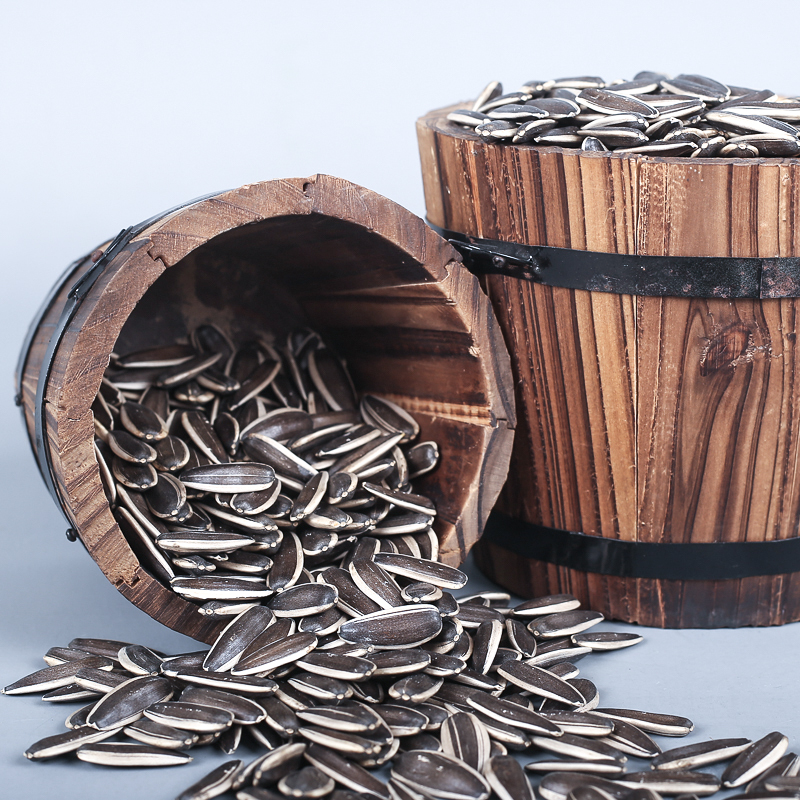
The primary material science governing sunflower seed quality lies in the composition of the kernel itself. The seed consists of a hull (pericarp), a seed coat (testa), and the kernel, containing the embryonic axis and substantial lipid reserves (primarily triglycerides). The oil quality is dictated by the fatty acid profile, with linoleic acid (C18:2) typically comprising 50-70% and oleic acid (C18:1) ranging from 20-50%, variations dependent on the sunflower variety. Protein composition is characterized by globulins and albumin, impacting nutritional value. Manufacturing begins with field cultivation and harvesting, followed by seed cleaning to remove debris, stalks, and underdeveloped seeds. Drying is a critical step, typically employing forced-air drying to reduce moisture content to specified levels (usually <8%) to inhibit microbial growth and enzymatic degradation. Hulling, separating the kernel from the hull, is achieved through mechanical means (impact or friction-based hullers). Key parameter control during drying includes temperature (avoiding excessive heat to prevent lipid oxidation) and airflow rate. Hulling efficiency is assessed by kernel damage percentage and residual hull content. Seed grading categorizes seeds based on size, density, and visual defects, ensuring uniformity for downstream processing.
Performance & Engineering
Performance evaluation of raw sunflower seeds extends beyond basic compositional analysis. Force analysis during hulling determines the energy required for separation, correlating with seed maturity and hull adhesion strength. Environmental resistance, particularly to moisture uptake, is critical for storage stability. High moisture content promotes lipid hydrolysis and rancidity, decreasing oil quality. Packaging material selection impacts moisture barrier properties and oxygen permeability, influencing shelf life. Compliance requirements vary by region, encompassing regulations regarding pesticide residues (Maximum Residue Limits - MRLs), mycotoxin levels (aflatoxins being particularly concerning), and heavy metal concentrations. Functional implementation – optimal performance in oil extraction – depends on seed density and oil body distribution within the kernel, impacting oil yield and extraction efficiency. Seed integrity, assessed via mechanical damage quantification, is directly linked to oil loss during processing and increased free fatty acid content, reducing oil quality. Seed size consistency influences the efficiency of conveying and metering systems in processing facilities.
Technical Specifications
| Parameter | Unit | Typical Range | Testing Method |
|---|---|---|---|
| Oil Content (Dry Basis) | % | 42-58 | Soxhlet Extraction (AOCS Official Method) |
| Protein Content (Dry Basis) | % | 20-25 | Kjeldahl Method (AOCS Official Method) |
| Moisture Content | % | <10 (optimal <8) | Oven Drying Method (AACC Method 915.1) |
| Kernel Damage | % | <5 | Visual Inspection & Seed Counter |
| Foreign Matter | % | <1 | Visual Inspection & Seed Separation |
| Acid Value | mg KOH/g | <1.0 | Titration (AOCS Official Method) |
Failure Mode & Maintenance
Failure modes in raw sunflower seeds primarily manifest as degradation in oil quality and reduced processing efficiency. Lipid oxidation, driven by exposure to oxygen and elevated temperatures, leads to rancidity and the formation of undesirable volatile compounds. Moisture absorption promotes enzymatic hydrolysis of triglycerides, increasing free fatty acid content and accelerating oxidation. Mechanical damage during handling and processing increases surface area exposure, exacerbating oxidative degradation. Microbial contamination, specifically with molds (leading to aflatoxin production), poses a significant safety hazard and can render entire batches unusable. Hull fragments adhering to kernels impede efficient oil extraction and contribute to oil turbidity. Maintenance solutions focus on strict adherence to optimal storage conditions – cool, dry, and dark environments. Proper ventilation and humidity control are essential. Regular monitoring of moisture content and acid value is crucial. Implementing robust cleaning protocols to minimize foreign matter contamination and damaged kernels is vital. Application of food-grade antioxidants (within regulatory limits) can inhibit lipid oxidation. Storage facilities should be periodically inspected for pest infestation and mold growth.
Industry FAQ
Q: What are the critical considerations regarding aflatoxin contamination in sunflower seeds?
A: Aflatoxins, produced by Aspergillus molds, are potent carcinogens and are strictly regulated globally. Critical considerations include pre-harvest conditions (drought stress increases susceptibility), proper drying to reduce moisture content, rigorous cleaning to remove moldy seeds, and regular testing of seed lots using methods like ELISA or HPLC. Adherence to established Maximum Tolerable Limits (MTLs) is essential for compliance.
Q: How does the variety of sunflower seed impact oil quality and yield?
A: Sunflower seed variety significantly impacts oil content, fatty acid profile, and oil yield. High-oleic varieties, for example, are preferred for their improved oxidative stability and longer shelf life. Hybrid varieties are often selected for increased yield and disease resistance. Oil yield is also affected by kernel size and density; larger, denser kernels generally result in higher oil extraction rates.
Q: What quality control measures are necessary to minimize the presence of foreign matter in raw sunflower seeds?
A: Effective quality control includes pre-cleaning to remove large debris, gravity separation to differentiate based on density, aspiration to remove light materials, and optical sorting to detect and remove discolored or damaged seeds. Regular inspection of cleaning equipment and adherence to standardized cleaning procedures are crucial.
Q: What are the best practices for long-term storage of raw sunflower seeds to preserve oil quality?
A: Long-term storage requires a cool (below 15°C), dry (below 8% moisture content), and dark environment. Storage silos should be airtight and properly ventilated to prevent condensation. Monitoring temperature and humidity levels is essential. Consideration should be given to inert gas blanketing (nitrogen) to reduce oxygen exposure.
Q: How is seed moisture content determined and why is it so important?
A: Seed moisture content is typically determined using an oven drying method (AACC Method 915.1), where a sample is dried at a specified temperature until constant weight. It’s crucial because high moisture content promotes microbial growth, enzymatic activity, and lipid hydrolysis, leading to spoilage and reduced oil quality. Maintaining optimal moisture content is paramount for storage stability and efficient processing.
Conclusion
The quality and performance of raw sunflower seeds are dictated by a complex interplay of genetic factors, agricultural practices, and post-harvest handling procedures. Maintaining optimal oil content, minimizing moisture absorption, and controlling contamination are paramount for ensuring suitability for downstream processing and ultimately, the production of high-quality edible oils and confectionery products. Effective quality control protocols, encompassing rigorous testing and adherence to standardized procedures, are essential throughout the supply chain.
Future advancements in sunflower seed breeding are likely to focus on enhancing oil quality (increasing oleic acid content), improving disease resistance, and optimizing kernel characteristics for efficient oil extraction. Sustainable agricultural practices, minimizing pesticide use and promoting water conservation, will also play an increasingly important role in ensuring the long-term viability of the sunflower seed industry. Continuous monitoring and refinement of storage and handling techniques will remain critical for preserving seed quality and maximizing economic value.
