Introduction
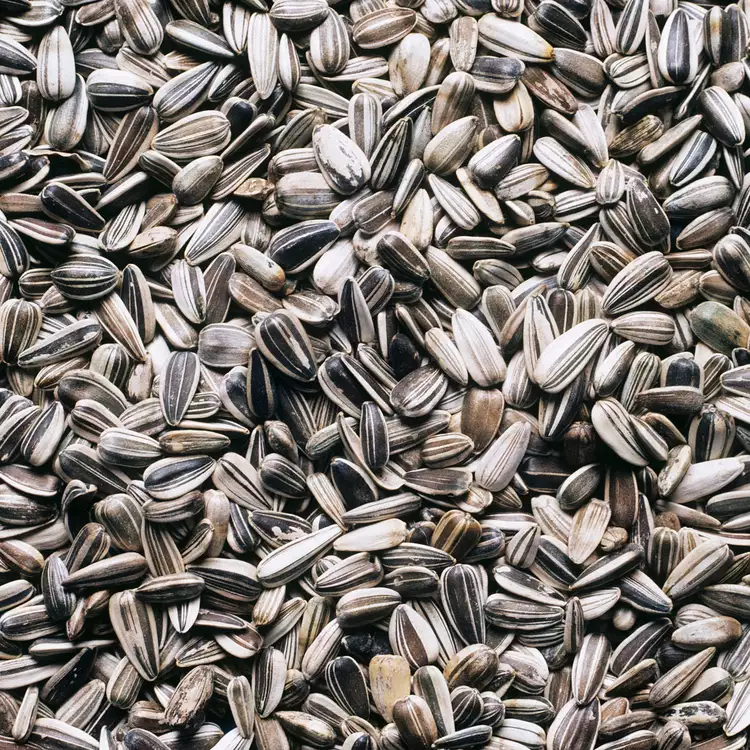
Sunflower seeds, in their raw form, represent a critical foundational input for a diverse range of industries, extending beyond direct human consumption to encompass animal feed, oil extraction, and increasingly, specialized industrial applications. This guide details the technical specifications, manufacturing nuances, and quality control parameters crucial for raw sunflower seed suppliers serving B2B clients. The industry currently faces challenges in standardization of seed quality, particularly concerning oil content variability, aflatoxin contamination, and consistency in seed size and maturity. Understanding these factors, alongside adherence to stringent international standards, is paramount for maintaining competitiveness and mitigating supply chain risks. Raw sunflower seeds are technically classified based on kernel size, oil content (typically 42-58%), protein content (20-25%), and the presence of hull. Their position within the supply chain is fundamental, influencing the efficiency and quality of downstream processing – from oil refineries to confectionery manufacturers. Key performance indicators revolve around minimizing foreign material, maintaining consistent moisture content, and ensuring genetic purity to meet specific application requirements.
Material Science & Manufacturing
The primary raw material, the sunflower seed ( Helianthus annuus), is comprised of a hull (approximately 20-30% of the seed's weight) and a kernel (70-80%). The hull’s composition is primarily cellulose and lignin, providing structural integrity. The kernel, the economically valuable portion, is rich in lipids (primarily linoleic acid and oleic acid – approximately 40-60%), proteins, carbohydrates, and various micronutrients. Manufacturing begins with harvesting, typically mechanically, followed by drying to achieve a consistent moisture content of 8-10% to prevent fungal growth and enzymatic degradation. Seed cleaning is crucial, utilizing a combination of screening, aspiration, and gravity separation to remove foreign materials like stems, leaves, dirt, and damaged seeds. Hulling processes vary; some suppliers provide seeds with hulls intact (black oil sunflower seeds or confectionary seeds), while others remove the hulls, resulting in hulled sunflower seeds (kernel). The hulling process itself involves impact or friction methods. Parameter control is critical at each stage. Drying temperature must be carefully monitored to avoid denaturation of proteins and oxidation of lipids. Cleaning efficiency is assessed by measuring the percentage of foreign material remaining. Hulling yield, defined as the ratio of kernels recovered to the initial seed weight, is a key performance indicator. Seed storage is also paramount; maintaining low temperature and humidity (below 60% relative humidity) is essential to prevent rancidity and insect infestation. Genetic selection and breeding programs also play a role, aiming to maximize oil content, improve disease resistance, and optimize seed size for specific processing needs.
Performance & Engineering
The performance of raw sunflower seeds is dictated by their physical and chemical properties. From an engineering perspective, evaluating seed strength is vital during handling and processing. The rupture strength, measured using compression testing, indicates the seed’s ability to withstand mechanical stress during conveying and dehulling. Moisture content impacts several performance characteristics. Excess moisture promotes microbial growth and lipid oxidation, reducing shelf life and oil quality. Low moisture content can cause brittleness, leading to increased breakage during processing. The oil content, a primary performance metric, influences the efficiency of oil extraction processes. Higher oil content translates to increased oil yield and reduced processing costs. Aflatoxin contamination, a significant concern, is assessed using ELISA or HPLC methods, with regulatory limits varying by country. Environmental resistance relates to storage conditions. Sunflower seeds are susceptible to oxidation and rancidity when exposed to air, light, and heat. Packaging materials with low oxygen permeability are essential. Compliance requirements include adherence to food safety regulations (e.g., HACCP, GMP) and labeling standards. Particle size distribution is critical for consistent processing. Seed size affects the efficiency of dehulling and oil extraction. Variations in seed size can lead to uneven processing and reduced product quality. Force analysis during dehulling operations focuses on optimizing impact force and minimizing kernel damage. Maintaining a consistent seed flow rate and optimizing the clearance between dehulling rollers are crucial for maximizing yield and minimizing waste.
Technical Specifications
| Parameter | Units | Typical Range | Testing Method |
|---|---|---|---|
| Oil Content (Dry Basis) | % | 42-58 | Soxhlet Extraction (AOCS Official Method) |
| Moisture Content | % | 8-10 | Oven Drying (AACC Method 913.01) |
| Foreign Material | % | <0.5 | Visual Inspection & Sieving |
| Broken Kernels / Damaged Seeds | % | <5 | Visual Inspection |
| Aflatoxin B1 | ppb | <20 | ELISA or HPLC |
| Kernel Size (Diameter) | mm | 10-16 (varies by variety) | Sieve Analysis |
Failure Mode & Maintenance
Failure modes in raw sunflower seeds primarily relate to degradation during storage and handling. Rancidity, caused by lipid oxidation, is a common failure mode, characterized by a bitter taste and odor. This is accelerated by exposure to oxygen, light, and heat. Aflatoxin contamination is a critical failure mode posing a health risk. This can occur during pre-harvest conditions (e.g., insect damage) or improper post-harvest handling and storage. Mechanical damage, such as kernel breakage during handling, reduces seed quality and affects processing efficiency. Insect infestation can lead to significant losses and contamination. Maintenance strategies involve strict adherence to storage guidelines: maintaining low temperature (below 15°C) and humidity (below 60%), utilizing airtight containers, and implementing regular pest control measures. Regular monitoring of oil quality (peroxide value, acid value) is crucial for detecting early signs of rancidity. Implementing a robust quality control program that includes aflatoxin testing at multiple stages of the supply chain is essential. Seed coatings can be used to protect against insect infestation and moisture absorption. Proper cleaning and sanitation of storage facilities are also vital to prevent microbial growth and contamination. First-In, First-Out (FIFO) inventory management ensures older seed stock is utilized before newer stock, minimizing the risk of degradation.
Industry FAQ
Q: What is the acceptable level of hull content for hulled sunflower seeds intended for confectionery use?
A: Typically, confectionery sunflower seeds require a hull content of less than 1%, measured by weight. Higher hull content impacts the texture and appearance of the final product and can lead to processing issues.
Q: How is the oil content of sunflower seeds determined, and what is the industry standard for accuracy?
A: Oil content is most commonly determined using the Soxhlet extraction method (AOCS Official Method). Accuracy is typically ± 0.5% absolute, but reputable suppliers should provide certificates of analysis with each batch verifying oil content and adhering to established analytical protocols.
Q: What are the key considerations regarding aflatoxin mitigation during pre-harvest stages?
A: Minimizing insect damage is paramount. Insects create entry points for Aspergillus fungi, which produce aflatoxins. Implementing integrated pest management strategies, including regular field scouting, biological control methods, and judicious use of insecticides, is essential. Proper irrigation and fertilization practices can also strengthen plant defenses against insect attacks.
Q: What are the primary differences between high-oleic and linoleic sunflower seeds, and how do these differences affect their applications?
A: High-oleic sunflower seeds contain a higher proportion of oleic acid (typically >70%), making them more stable at high temperatures and suitable for frying applications. Linoleic sunflower seeds have a higher content of linoleic acid (typically >60%) and are often used in salad oils and margarines. The fatty acid profile influences the oil's oxidative stability and nutritional characteristics.
Q: What packaging materials are recommended for long-term storage of raw sunflower seeds to prevent rancidity?
A: Packaging materials with low oxygen permeability and good moisture barrier properties are crucial. Multi-layer films containing aluminum foil or metallized polyester are commonly used. Vacuum packaging or modified atmosphere packaging (MAP) with nitrogen flushing can further extend shelf life by reducing oxygen exposure.
Conclusion
The quality and consistency of raw sunflower seeds are fundamental to the success of numerous downstream industries. Effective manufacturing practices, encompassing careful control of drying, cleaning, hulling, and storage parameters, are crucial for maintaining seed integrity and minimizing degradation. Adherence to stringent quality control measures, including regular testing for oil content, aflatoxin contamination, and foreign material, is non-negotiable.
Looking forward, advancements in seed breeding and genetic engineering will likely focus on increasing oil content, enhancing disease resistance, and improving seed handling characteristics. Furthermore, the development of more sustainable and eco-friendly processing technologies will be essential to meet evolving consumer demands and reduce the environmental footprint of the sunflower seed industry.
