Introduction
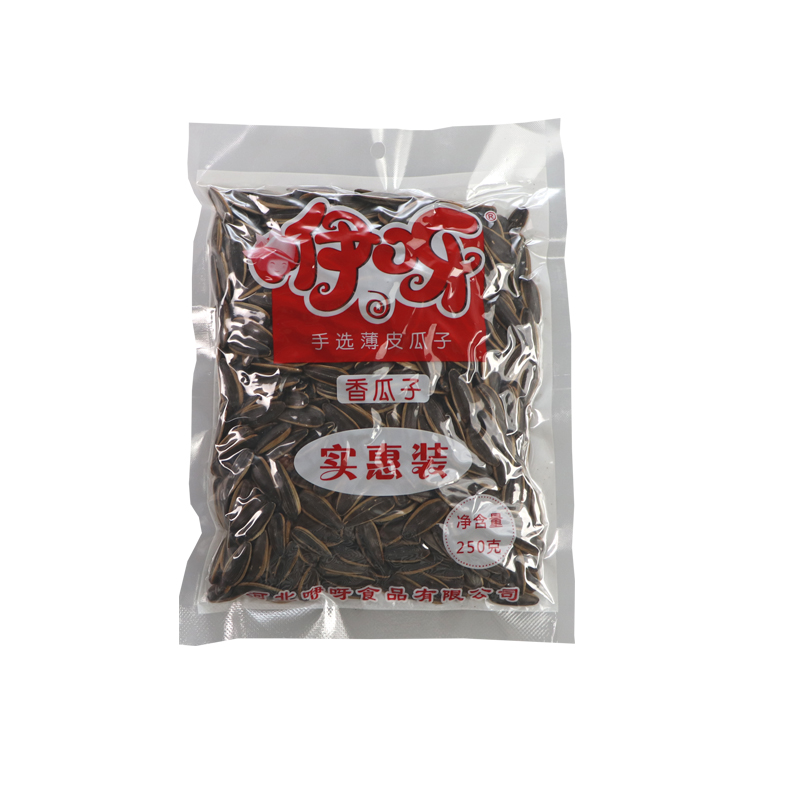
Sunflower seed raw factories represent a critical juncture in the agricultural commodity supply chain, bridging the gap between agricultural production and food processing. These facilities are responsible for the initial processing stages of harvested sunflower seeds, including cleaning, drying, dehulling, and grading. The industry faces ongoing challenges related to maximizing yield, maintaining seed quality to meet stringent food safety standards, and optimizing operational efficiency in a competitive global market. Sunflower seeds are valued for their oil content (typically 40-50%), protein content (20-25%), and nutritional value, making them a key ingredient in various food products, animal feed, and increasingly, biodiesel production. Core performance metrics for these factories revolve around throughput capacity, seed integrity preservation (minimizing broken kernels and foreign material), oil yield optimization, and adherence to international food safety regulations. The technical complexity lies in balancing these factors while addressing the inherent variability in raw seed quality dictated by climate, growing conditions, and agricultural practices.
Material Science & Manufacturing
The primary raw material is, of course, the sunflower seed ( Helianthus annuus). The seed’s composition dictates much of the processing parameters. The hull (pericarp) consists primarily of cellulose, hemicellulose, and lignin, providing structural integrity but requiring energy-intensive dehulling. The kernel contains a significant proportion of oil, primarily linoleic acid (a polyunsaturated omega-6 fatty acid) and oleic acid (a monounsaturated fatty acid), along with proteins, carbohydrates, and waxes. Manufacturing begins with receiving the raw seeds, often containing field debris. Cleaning utilizes a series of screens, air separators, and destoners to remove impurities. Drying is crucial, typically employing continuous flow dryers using heated air, aiming for a moisture content of around 9-10% to prevent spoilage and facilitate efficient dehulling. Dehulling is achieved through impact dehullers or roller dehullers, the choice depending on seed size and desired kernel integrity. Parameter control is paramount: air temperature and flow rate in drying must be precisely controlled to avoid overheating and protein denaturation. Dehuller clearance and impact velocity must be optimized to minimize kernel damage. Grading separates seeds by size and quality using screens and optical sorters, ensuring consistent product specifications. Material compatibility is vital; stainless steel is preferred for all food-contact surfaces to prevent corrosion and contamination. Moisture control also necessitates considering the hygroscopic nature of the seeds and using appropriate storage materials.
Performance & Engineering
Performance analysis in sunflower seed processing centers around mass and energy balances. Throughput capacity is directly impacted by the efficiency of each unit operation (cleaning, drying, dehulling, grading). Force analysis is critical in dehulling, where impact forces must be sufficient to break the hull without damaging the kernel. Environmental resistance considerations include dust control (sunflower hulls generate significant dust), temperature and humidity control during storage to prevent mold growth, and wastewater management from cleaning processes. Compliance requirements are extensive, encompassing food safety regulations (HACCP, GMP), environmental regulations (wastewater discharge, air emissions), and occupational safety standards. Functional implementation includes designing conveying systems that minimize seed damage, selecting appropriate dryer technologies to optimize energy efficiency, and implementing automated control systems to maintain consistent processing parameters. The geometry of the dehulling chamber is engineered to maximize hull removal while minimizing kernel breakage. The efficiency of air separators is dictated by aerodynamic principles and particle size distribution. Furthermore, the structural integrity of the factory building itself must withstand the significant loads associated with bulk seed storage and processing equipment.
Technical Specifications
| Seed Moisture Content (Input) | Seed Moisture Content (Output) | Kernel Damage Rate (%) | Hull Removal Rate (%) | Throughput Capacity (tons/hour) | Foreign Material Content (%) |
|---|---|---|---|---|---|
| 14-20% | 9-10% | <5% | >95% | 5-20 (depending on facility size) | <1% |
| Seed Oil Content (%) | Seed Protein Content (%) | Seed Fiber Content (%) | Hull Moisture Content (%) | Kernel Moisture Content (%) | Dust Emission Rate (mg/m³) |
| 40-50% | 20-25% | 30-40% | 10-14% | 8-11% | <10 |
| Dehuller Impact Velocity (m/s) | Dehuller Clearance (mm) | Dryer Air Temperature (°C) | Dryer Airflow Rate (m³/s) | Screen Mesh Size (mm) - Grading | Optical Sorter Resolution (pixels) |
| 15-25 | 0.2-0.5 | 60-80 | 1-3 | 0.8-2.0 | >500,000 |
| Energy Consumption (kWh/ton) | Water Consumption (m³/ton) | Wastewater BOD (mg/L) | Wastewater COD (mg/L) | Facility Footprint (m²) | Storage Silo Capacity (tons) |
Failure Mode & Maintenance
Failure modes in sunflower seed processing facilities are diverse. Fatigue cracking in conveying equipment is common due to the abrasive nature of the seeds and hulls. Dehuller components, particularly impact plates, experience wear and tear requiring periodic replacement. Bearing failures in motors and gearboxes are frequent, exacerbated by dust and vibration. Dryer malfunctions, such as burner failures or air duct blockages, can lead to uneven drying and seed spoilage. Screen damage in grading systems reduces separation efficiency. Corrosion of steel structures due to moisture and dust is a long-term concern. Preventive maintenance is crucial, including regular lubrication of bearings, inspection of conveyor belts and chains, replacement of worn dehuller components, and cleaning of dryer systems. Non-destructive testing (NDT) methods like visual inspection and ultrasonic testing can detect cracks in critical components. Proper grounding and electrical safety protocols are essential to prevent electrical failures. Furthermore, consistent monitoring of seed quality parameters (moisture content, oil content, damage rate) provides early warning signs of process deviations. Regular cleaning of dust collection systems is vital to prevent fire hazards and maintain air quality. Proper storage silo maintenance, including temperature and humidity control, prevents spoilage and pest infestations.
Industry FAQ
Q: What are the critical factors affecting oil yield in sunflower seed processing?
A: Oil yield is heavily influenced by seed maturity, seed variety, drying temperature (excessive heat degrades oil quality), and the efficiency of the dehulling process (removing hulls minimizes oil loss). Proper storage conditions to prevent oxidation are also vital. Minimizing kernel damage during processing is paramount as damaged kernels release oil prematurely, reducing overall yield and increasing free fatty acid content.
Q: How can dust control be effectively managed in a sunflower seed factory?
A: Effective dust control requires a multi-faceted approach: enclosed conveying systems, dust collection systems (cyclones, bag filters) at key transfer points, proper ventilation, regular cleaning of work areas, and the use of dust suppressants. Explosion prevention measures, such as grounding and inerting systems, are also crucial due to the combustible nature of sunflower hull dust.
Q: What are the key considerations for selecting a dehulling system?
A: The choice of dehuller (impact vs. roller) depends on seed size, desired kernel integrity, and throughput requirements. Impact dehullers are generally suitable for larger seeds and higher throughput, while roller dehullers are gentler on smaller seeds. Clearance adjustment, impact velocity control, and efficient hull separation are critical performance parameters.
Q: What are the primary food safety concerns in sunflower seed processing?
A: Key concerns include the presence of foreign material (stones, metal fragments), microbial contamination ( Salmonella, E. coli), mycotoxin contamination (aflatoxins), and pesticide residues. Implementing a robust HACCP plan, regular sanitation procedures, and strict quality control measures are essential to mitigate these risks.
Q: How can energy consumption be minimized in sunflower seed processing?
A: Minimizing energy consumption involves optimizing dryer efficiency (heat recovery systems, proper insulation), using energy-efficient motors and pumps, implementing variable frequency drives (VFDs), and optimizing conveying systems to reduce friction. Waste heat recovery from dryers can be used for preheating incoming air or other processes. Regular maintenance to ensure optimal equipment performance is also key.
Conclusion
Sunflower seed raw factories represent a complex interplay of agricultural science, mechanical engineering, and food safety principles. Optimizing these facilities requires a holistic approach, focusing on meticulous parameter control throughout the entire processing chain – from seed reception to final grading. Successful operation hinges on a deep understanding of seed characteristics, the application of appropriate processing technologies, and adherence to stringent quality and safety standards.
Future advancements will likely focus on automation, utilizing artificial intelligence for real-time process optimization, and developing more energy-efficient and environmentally sustainable processing technologies. The increasing demand for high-quality sunflower products will necessitate continued innovation in seed processing techniques to maximize yield, minimize waste, and ensure food safety. Furthermore, exploring byproduct utilization (hull fiber for biofuel or animal feed) will be crucial for enhancing the economic viability and environmental sustainability of these factories.
