Introduction
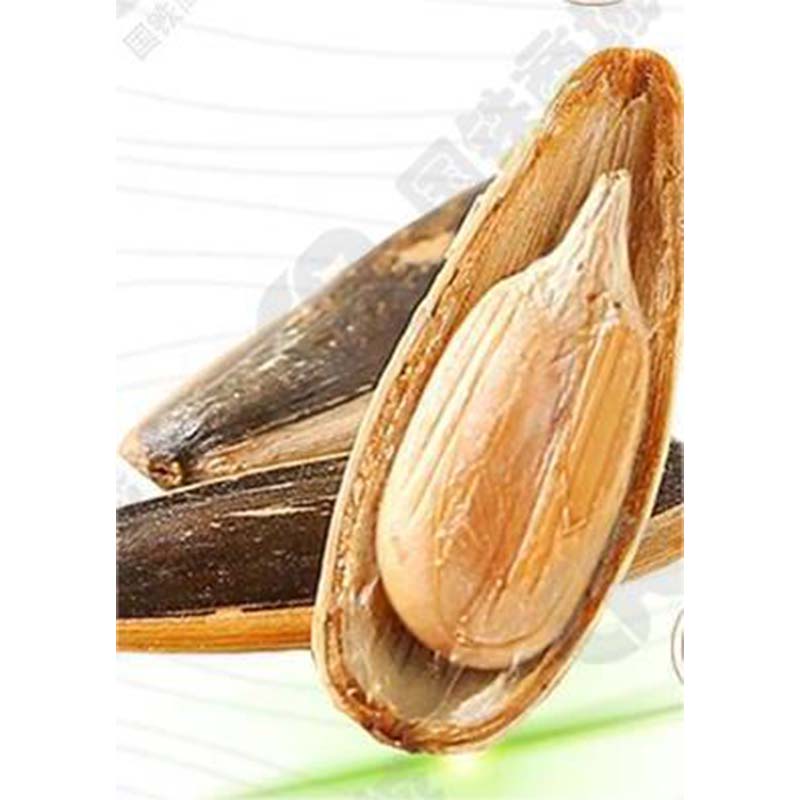
Sunflower seeds, Helianthus annuus, represent a significant commodity in global agricultural trade. As a raw export product, their quality and characteristics directly impact downstream industries, including food processing (oil extraction, snack foods), animal feed, and increasingly, biofuel production. This guide provides a comprehensive technical overview for procurement managers, quality control engineers, and logistics professionals involved in the international trade of raw sunflower seeds, focusing on critical parameters governing quality, storage, and transportation. The primary challenges within the industry stem from maintaining seed viability during prolonged storage, minimizing contamination risks (mycotoxins, pesticides), and adhering to increasingly stringent international quality and safety standards. This document will detail the botanical aspects relevant to quality, the processing steps impacting export grade, key analytical methods, and potential failure modes in the supply chain.
Material Science & Manufacturing
The composition of sunflower seeds is fundamentally influenced by genetic factors, growing conditions, and post-harvest processing. The primary components are oil (35-55%), protein (18-25%), carbohydrate (15-20%), and fiber (5-10%). The oil fraction is predominantly comprised of linoleic acid (a polyunsaturated omega-6 fatty acid) and oleic acid (a monounsaturated fatty acid), with the ratio impacting oil quality and stability. Seed hull composition consists mainly of cellulose, hemicellulose, and lignin, impacting shelling efficiency and overall seed weight. Manufacturing, in this context, refers to the post-harvest processing steps. These include harvesting (mechanical or manual), cleaning (removal of stalks, leaves, and other debris), drying (to reduce moisture content and prevent spoilage – typically utilizing forced-air drying to reach 8-10% moisture content), dehulling (optional, depending on end-use), sizing (grading seeds by diameter), and sorting (removal of damaged or discolored seeds). Critical process parameters during drying include temperature control (above 45°C can denature proteins and affect oil quality) and airflow rate to ensure uniform drying. Dehulling efficiency, impacting seed purity and oil yield, is determined by impeller speed, feed rate, and hull-seed friction coefficient. Contamination from heavy metals during mechanical processing (e.g., from worn machinery) is a key concern requiring diligent monitoring and equipment maintenance. Seed variety (confectionary vs. oilseed) fundamentally dictates processing parameters and quality specifications.
Performance & Engineering
The performance of sunflower seeds as an export commodity is defined by several key parameters related to seed integrity, storage stability, and susceptibility to degradation. Mechanical strength, specifically hull fracture resistance and seed coat integrity, is crucial for minimizing damage during handling and transportation. Force analysis during loading, unloading, and storage reveals critical stress points. Seeds are subjected to compressive forces, shear forces, and impact forces; failure occurs when these forces exceed the material’s yield strength. Environmental resistance, particularly moisture absorption and oxygen permeability, directly impacts rancidity development (lipid oxidation). The water activity (aw) of the seeds, a measure of unbound water, must be maintained below 0.65 to inhibit microbial growth and enzymatic activity. Compliance requirements vary significantly by importing country. The European Union, for example, imposes strict limits on pesticide residues (Regulation (EC) No 396/2005) and mycotoxin levels (Regulation (EC) No 1881/2006). The United States Department of Agriculture (USDA) sets standards for seed quality and purity based on the Official Seed Testing Rules. Bulk density and flowability are important engineering considerations for storage and handling systems. Optimal storage conditions involve maintaining low temperature (below 15°C) and humidity (below 60%) in well-ventilated silos or warehouses. Packaging materials must provide a barrier against moisture, oxygen, and light.
Technical Specifications
| Parameter | Unit | Grade A (Confectionary) | Grade B (Oilseed) |
|---|---|---|---|
| Oil Content | % (dry weight basis) | 48-55 | 35-45 |
| Protein Content | % (dry weight basis) | 20-25 | 18-22 |
| Moisture Content | % | 8-9 | 8-10 |
| Foreign Matter | % | <1 | <2 |
| Damaged Seeds (broken, chipped, discolored) | % | <2 | <5 |
| Seed Size (Diameter) | mm | 14-16 | 12-14 |
Failure Mode & Maintenance
Sunflower seeds are susceptible to several failure modes during storage and transport. Rancidity, caused by lipid oxidation, is a primary concern, leading to off-flavors and reduced nutritional value. This is accelerated by exposure to oxygen, light, and high temperatures. Mycotoxin contamination, particularly by Aspergillus species, poses a serious health hazard. Aflatoxins are particularly problematic and are strictly regulated internationally. Insect infestation (e.g., by storage beetles) can lead to significant seed loss and quality degradation. Physical damage (cracking, chipping) during handling and transportation reduces seed integrity and increases vulnerability to moisture absorption and microbial attack. Maintenance strategies focus on preventative measures. Regular monitoring of moisture content and temperature within storage facilities is critical. Implementing a robust pest management program, including sanitation and the use of approved insecticides, is essential. Proper packaging, utilizing moisture-barrier materials and oxygen absorbers, can significantly extend shelf life. First-In, First-Out (FIFO) inventory management minimizes storage time and reduces the risk of spoilage. Regular inspection of seeds for signs of damage, infestation, or mold growth is crucial. Periodic laboratory analysis for mycotoxin levels and oil quality (peroxide value, acid value) provides a quantitative assessment of seed condition.
Industry FAQ
Q: What are the key differences in quality parameters between confectionary and oilseed sunflower varieties, and how do these impact export pricing?
A: Confectionary varieties demand significantly higher oil content (48-55% vs. 35-45% for oilseed), larger seed size (14-16mm vs. 12-14mm), and lower levels of hulling damage. They also require a more visually appealing appearance with minimal discoloration. These stringent requirements translate to higher production costs and a premium price in the export market. Buyers are willing to pay more for the consistent quality and aesthetic appeal of confectionary seeds intended for direct consumption.
Q: How does the method of drying (natural sun-drying vs. mechanical drying) affect the quality and export potential of sunflower seeds?
A: While sun-drying is a lower-cost option, it presents significant risks. Uneven drying can lead to localized areas of high moisture content, promoting fungal growth and mycotoxin production. Exposure to contaminants (dust, insects, birds) is also higher with sun-drying. Mechanical drying, utilizing controlled temperature and airflow, provides superior quality and consistency, reducing the risk of spoilage and ensuring compliance with international safety standards. Mechanical drying is generally preferred for export-grade seeds.
Q: What analytical methods are used to assess the quality of sunflower seeds, and what are the acceptable limits for key parameters?
A: Key analytical methods include moisture content determination (oven drying method), oil content determination (Soxhlet extraction), protein content determination (Kjeldahl method), acid value and peroxide value (measuring rancidity), and mycotoxin analysis (HPLC or ELISA). Acceptable limits vary by importing country but generally align with standards set by the Codex Alimentarius Commission. For example, aflatoxin levels are typically limited to 2-4 ppb.
Q: What packaging materials are recommended for long-term storage and transportation of sunflower seeds, and what is their role in preserving seed quality?
A: Multi-layer packaging is recommended. An inner liner made of polyethylene (PE) provides a moisture barrier. A middle layer of kraft paper offers structural support. An outer layer of woven polypropylene (PP) provides abrasion resistance. Oxygen absorbers can be included within the packaging to minimize lipid oxidation. The packaging must be airtight and resistant to tearing and puncture during handling and transport.
Q: How can exporters mitigate the risk of rejection due to pesticide residue levels exceeding international regulations?
A: Implementing a rigorous pesticide management program is critical. This includes using approved pesticides at recommended dosages, maintaining accurate records of pesticide applications, and conducting regular testing of seeds for pesticide residues before export. Working with reputable pesticide suppliers and adhering to Good Agricultural Practices (GAP) are also essential. Independent laboratory testing and certification provide assurance to buyers.
Conclusion
The successful export of raw sunflower seeds hinges on a comprehensive understanding of the botanical characteristics, processing parameters, and quality control measures detailed within this guide. Maintaining optimal moisture content, minimizing contamination risks, and adhering to stringent international standards are paramount. Effective storage and packaging strategies, coupled with rigorous analytical testing, are essential for preserving seed viability and ensuring product integrity throughout the supply chain.
Future trends in the sunflower seed export market will likely focus on traceability and sustainability. Buyers are increasingly demanding transparency regarding origin, production practices, and environmental impact. Implementing blockchain technology to track seeds from farm to port can enhance trust and accountability. Furthermore, promoting sustainable farming practices and reducing the carbon footprint of sunflower seed production will be crucial for long-term market access.
