Introduction
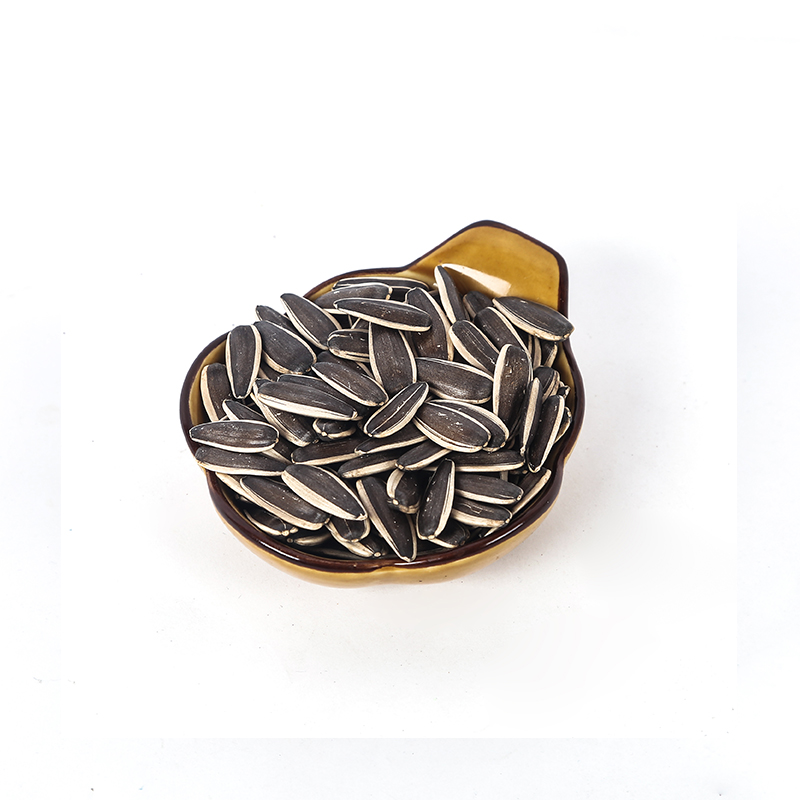
Sunflower seeds, Helianthus annuus, are a globally significant oilseed crop and a critical component of the agricultural commodity market. This technical guide focuses on the factors influencing price for sunflower seeds suppliers, extending beyond simple market fluctuations to encompass agronomic practices, seed quality parameters, logistical considerations, and international trade regulations. The supply chain extends from seed breeding and agricultural production through post-harvest processing, storage, and ultimately, international export. Understanding the interplay of these elements is crucial for procurement managers, traders, and manufacturers relying on a stable and predictable supply of sunflower seeds. Price volatility is frequently driven by weather patterns in major producing regions (Ukraine, Russia, Argentina, and increasingly, the United States and European Union), geopolitical events impacting export routes, and shifts in demand from the edible oil, confectionary, and animal feed industries. This guide provides a detailed examination of these influences, alongside technical specifications and quality control measures that directly affect pricing and procurement decisions.
Material Science & Manufacturing
Sunflower seeds are comprised of approximately 35-50% oil, 20-30% protein, and 10-20% hull. The oil content, particularly the linoleic and oleic acid profiles, is a primary determinant of price, influencing its suitability for various applications. The manufacturing process, though largely biological, involves crucial post-harvest handling impacting quality and price. Seed varieties are categorized as oilseed (high linoleic acid content) or confectionary (high oleic acid content, larger kernel size, and thinner hulls). Agronomic practices significantly impact seed composition. Nitrogen fertilization influences protein content, while phosphorus and potassium levels affect oil yield. Seed maturity at harvest is critical; premature harvest results in lower oil content and increased moisture, leading to higher storage costs and potential fungal growth. Drying is typically achieved through forced-air systems, requiring precise temperature and airflow control to prevent protein denaturation and lipid oxidation. Hull percentage is minimized through dehulling processes. Contamination with foreign material (weed seeds, stems, dirt) is a major price deduction factor, necessitating rigorous cleaning and sorting procedures utilizing gravity separators, aspiration systems, and optical sorters. The presence of mycotoxins (aflatoxins, ochratoxins) – a significant concern – is mitigated through proper storage conditions (low temperature, low humidity, and aeration) and pre-shipment testing.
Performance & Engineering
The performance of sunflower seeds, from a supplier perspective, isn’t typically measured in traditional ‘engineering’ terms, but rather in consistently delivering specified quality parameters. Crucially, the moisture content must be controlled; exceeding 9% creates risk of aflatoxin development and impacts storability. Force analysis applies to handling and transportation – seed breakage during transport reduces value. Packaging materials must exhibit adequate compressive strength to withstand stacking during shipping and prevent seed damage. Environmental resistance focuses on protection from pests during storage – proper fumigation protocols and hermetic sealing are vital. Compliance requirements are extensive. The European Union mandates strict limits on pesticide residues and mycotoxin levels. The United States Department of Agriculture (USDA) has similar regulations. International trade requires adherence to phytosanitary certificates and import/export regulations of the destination country. Functional implementation refers to the seeds’ suitability for their intended use. Oilseed varieties require specific oil extraction parameters (temperature, pressure, solvent type) to maximize oil yield and quality. Confectionary seeds must meet specific kernel size and hull strength requirements for efficient roasting and shelling. Ultimately, consistent performance against these parameters is directly linked to price negotiation power for suppliers.
Technical Specifications
| Parameter | Oilseed Variety | Confectionary Variety | Testing Method |
|---|---|---|---|
| Oil Content (%) | 48-52 | 40-45 | Soxhlet Extraction (AOCS Official Method) |
| Moisture Content (%) | ≤ 9.0 | ≤ 8.5 | Oven Drying Method (ISO 665) |
| Kernel Size (mm) | Variable | 12-16 | Sieve Analysis |
| Hull Percentage (%) | 20-25 | 5-10 | Visual Sorting & Weight Analysis |
| Free Fatty Acids (FFA) (%) | ≤ 1.0 | ≤ 0.5 | Titration (AOCS Official Method) |
| Aflatoxin Level (ppb) | ≤ 5 ppb | ≤ 5 ppb | ELISA (Enzyme-Linked Immunosorbent Assay) |
Failure Mode & Maintenance
Failure modes for sunflower seeds relate to quality degradation, leading to price reductions or rejection. Lipid Oxidation is a primary concern, resulting in rancidity and reduced oil quality, accelerated by exposure to oxygen, light, and elevated temperatures. Aflatoxin Contamination represents a critical safety hazard, stemming from fungal growth during pre-harvest conditions or inadequate storage. Mechanical Damage (cracked kernels, broken hulls) occurs during harvesting, drying, dehulling, and transportation, reducing the seed's processing efficiency and market value. Insect Infestation leads to direct seed loss and contamination. Moisture Absorption during storage promotes fungal growth and lipid hydrolysis. Maintenance, in this context, encompasses preventative measures. This includes employing proper harvesting techniques, rapid and efficient drying, airtight storage facilities with temperature and humidity control, regular pest control inspections, and comprehensive quality control testing throughout the supply chain. Implementing a robust traceability system is crucial for identifying and mitigating the source of any quality issues. Preventative fumigation and the use of oxygen absorbers within storage containers are also essential maintenance practices. A critical aspect of maintenance also includes adherence to a stringent First-In, First-Out (FIFO) inventory management system to minimize storage duration and potential degradation.
Industry FAQ
Q: What is the primary driver of sunflower seed price fluctuations?
A: Weather patterns in major producing regions (Ukraine, Russia, Argentina, US) are the dominant driver. Droughts, excessive rainfall, or frost can significantly impact yields and thus, prices. Geopolitical instability in these regions also plays a substantial role, disrupting supply chains and increasing price volatility.
Q: How does oil content impact the price differential between oilseed and confectionary varieties?
A: Higher oil content generally commands a higher price for oilseed varieties, as it directly translates to greater oil yield. Confectionary varieties, while having lower oil content, are valued for their kernel size, hull strength, and taste profile, commanding a premium due to their specialized applications.
Q: What are the acceptable limits for aflatoxin contamination, and how is this regulated?
A: Regulatory bodies like the EU and USDA typically set maximum allowable aflatoxin levels at 5 ppb (parts per billion). Regular testing using ELISA methods is mandatory for export shipments, and exceeding these limits results in rejection of the consignment. Suppliers are responsible for implementing preventative measures during harvesting, drying, and storage to minimize aflatoxin risk.
Q: What impact does transportation have on sunflower seed quality and price?
A: Improper transportation can lead to mechanical damage (kernel breakage, hull cracking) and moisture absorption, both of which reduce seed quality and value. Ensuring adequate packaging, temperature control during transport, and minimizing transit time are critical for maintaining quality.
Q: How important is traceability in the sunflower seed supply chain?
A: Traceability is paramount. It allows for rapid identification of the source of any quality issues (e.g., aflatoxin contamination) and facilitates swift corrective action. It also builds trust and transparency between suppliers, processors, and end-users, which can positively impact price negotiation.
Conclusion
The price of sunflower seeds is a complex interplay of agronomic factors, post-harvest handling, quality control, and global market dynamics. Suppliers must prioritize consistent quality, adherence to international standards, and proactive risk management to secure favorable pricing and maintain long-term relationships with buyers. Understanding the nuances of oil and protein content, moisture levels, and contamination risks is critical for maximizing value.
Moving forward, the increasing focus on sustainable agricultural practices and traceability systems will further influence pricing. Investments in improved storage infrastructure, advanced quality control technologies, and robust supply chain management are essential for navigating future challenges and capitalizing on emerging opportunities in the global sunflower seed market. The ability to consistently deliver seeds meeting exacting specifications will remain the key differentiator for successful suppliers.
