Introduction
Sunflower seeds ( Helianthus annuus ) represent a globally significant oilseed crop and a valuable commodity within the agricultural supply chain. This technical guide focuses on the critical factors influencing the price of sunflower seeds supplied at the B2B level, encompassing seed quality characteristics, processing parameters, logistical considerations, and prevailing market dynamics. Sunflower seeds are positioned as a critical raw material for edible oil production, livestock feed, and increasingly, specialized applications in nutraceuticals and industrial products. Understanding the nuanced elements contributing to price fluctuations is paramount for procurement managers, processors, and traders navigating this complex market. Core performance considerations center around oil content, protein levels, fatty acid profile, moisture content, and levels of contaminants, all of which directly impact both price and end-use applicability. Price volatility is significantly affected by global yield projections, geopolitical factors in key producing regions (Ukraine, Russia, Argentina, EU), and demand from major consuming nations (EU, China, Turkey).
Material Science & Manufacturing
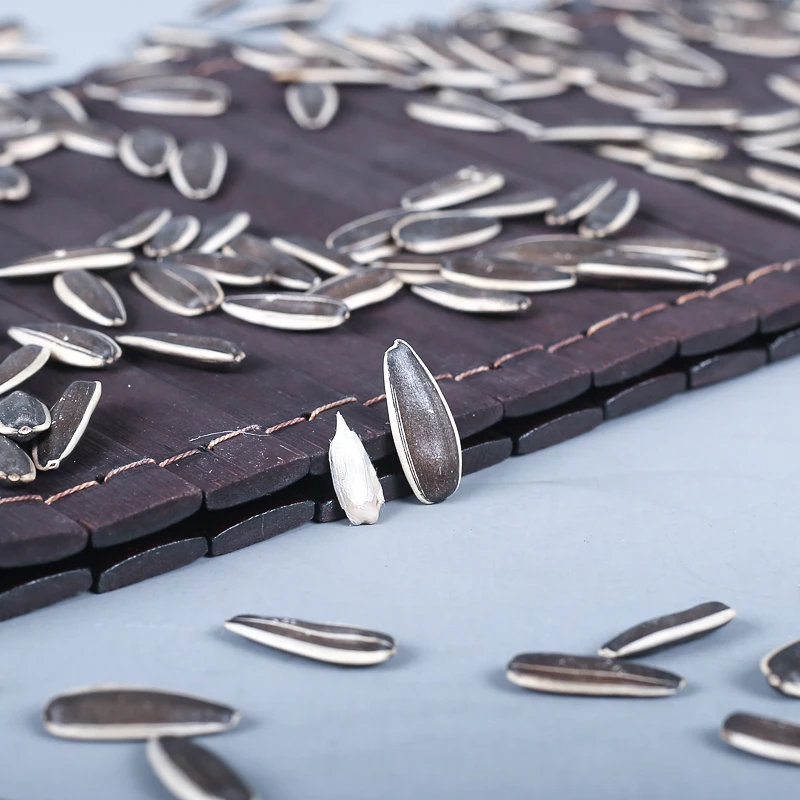
Sunflower seeds, botanically achenes, are comprised of a kernel (the oil-bearing portion) encased within a hull. The kernel’s composition is primarily triglycerides (lipids), proteins, carbohydrates, and minor constituents like phospholipids, waxes, and pigments. Kernel oil content typically ranges from 42-58% depending on the variety. Hull content impacts overall seed weight and influences oil extraction efficiency. Seed varieties are categorized as high-oleic, mid-oleic, and linoleic, dictating their fatty acid profile and suitability for specific applications. Manufacturing processes begin with field cultivation and harvesting. Optimal harvest timing is critical to minimize seed shattering and maintain kernel quality. Post-harvest processing involves cleaning (removal of debris and foreign matter), drying (reducing moisture content to prevent mold growth and aflatoxin contamination, typically targeted at 8-10%), dehulling (removing the hull to increase oil yield), and grading (categorizing seeds based on size, weight, and oil content). Dehulling methods include mechanical abrasion and impact dehulling. Quality control parameters throughout the process encompass kernel damage assessment (splits, chipped kernels), foreign material content, and seed viability. Seed storage conditions – temperature, humidity, and ventilation – are also crucial for preserving seed quality and preventing deterioration. The manufacturing parameters that affect pricing are the efficiency of the dehulling process and the resulting hull percentage, the speed and effectiveness of cleaning, and the control of moisture levels to prevent fungal growth.
Performance & Engineering
The performance of sunflower seeds is intrinsically linked to their physical and chemical properties. Oil extraction efficiency, determined by kernel hardness and hull adhesion, is a critical engineering parameter. The oil yield is affected by pre-pressing and solvent extraction techniques, with solvent extraction generally yielding higher oil recovery rates. Mechanical strength (resistance to cracking during handling and processing) is a crucial consideration for minimizing losses. The fatty acid profile – specifically the ratio of linoleic to oleic acid – impacts oil stability, oxidative resistance, and suitability for various applications. Sunflower oil rich in oleic acid exhibits superior oxidative stability, extending its shelf life and making it ideal for high-heat cooking applications. Environmental resistance focuses on seed viability under varying temperature and humidity conditions during storage and transportation. Compliance requirements pertain to food safety regulations, including maximum permissible levels of aflatoxins, heavy metals (lead, cadmium), and pesticide residues. The engineering aspects of handling large volumes of seeds demand robust material handling systems to prevent damage and maintain seed integrity. Force analysis of seed handling equipment must account for impact forces and shear stresses to minimize kernel breakage. Environmental control within storage facilities (temperature, humidity) is essential to prevent fungal growth and maintain seed quality. Maintaining consistent seed quality and adherence to stringent food safety standards directly affects pricing.
Technical Specifications
| Parameter | Unit | Typical Range | Impact on Price |
|---|---|---|---|
| Oil Content (Dry Basis) | % | 42-58 | Higher oil content commands a premium price |
| Moisture Content | % | 8-10 | Exceeding 10% lowers price due to mold risk |
| Kernel Damage (Splits/Chips) | % | <5 | Higher damage reduces price due to lower oil yield |
| Foreign Material | % | <1 | Higher foreign material lowers price due to cleaning costs |
| Linoleic Acid Content | % of total fatty acids | 30-70 (depending on variety) | Higher linoleic acid may lower price due to lower oxidative stability |
| Aflatoxin Levels | ppb | <4 | Exceeding limits results in rejection and price reduction |
Failure Mode & Maintenance
Sunflower seeds are susceptible to various failure modes impacting their value. Aflatoxin contamination, caused by Aspergillus fungi, is a significant concern, particularly during humid storage conditions. This necessitates rigorous quality control and potentially reduces the seed’s usability to animal feed rather than edible oil production. Physical damage (cracking, chipping) during harvesting, handling, and processing reduces oil yield and lowers quality, leading to price reductions. Insect infestation can also cause significant losses and contamination. Oxidative degradation of lipids, accelerated by exposure to light, heat, and oxygen, reduces oil quality and necessitates the addition of antioxidants. Moisture absorption during storage can promote fungal growth and lead to seed deterioration. Maintenance strategies involve proper seed drying, controlled storage environments (low temperature, low humidity), regular inspection for pests and mold, and the implementation of effective pest management programs. Preventative measures include using high-quality harvesting equipment, minimizing mechanical damage during handling, and employing appropriate storage containers and ventilation systems. For processors, regular maintenance of dehulling and oil extraction equipment is vital to prevent damage to the seeds and maximize oil yield. Implementing a robust quality control system that monitors key parameters (moisture, oil content, aflatoxin levels) throughout the supply chain is paramount to mitigating failure modes and maintaining seed value.
Industry FAQ
Q: What is the primary driver of sunflower seed price fluctuations?
A: Global supply and demand dynamics are the primary drivers. Yields in major producing regions (Ukraine, Russia, Argentina) heavily influence supply. Demand is driven by edible oil consumption, livestock feed requirements, and increasingly, demand for specialized products like sunflower lecithin. Geopolitical events also significantly impact price due to disruptions in supply chains.
Q: How does the oil content percentage affect the pricing of sunflower seeds?
A: Oil content is a critical quality parameter. Higher oil content directly translates to greater oil yield during processing, making seeds with higher oil content more valuable and commanding a premium price. Processors are willing to pay more for seeds that maximize oil extraction efficiency.
Q: What are the acceptable levels of aflatoxins in sunflower seeds, and what are the consequences of exceeding those limits?
A: Regulatory limits for aflatoxins vary by region, but generally, levels must be below 4 ppb for human consumption. Exceeding these limits results in rejection of the seed lot, significant price reductions (potentially relegating the seeds to animal feed), and potential legal repercussions.
Q: What storage conditions are recommended to maintain sunflower seed quality and prevent price depreciation?
A: Optimal storage conditions include low temperature (below 15°C/59°F), low humidity (below 65% RH), and adequate ventilation. Seeds should be stored in clean, dry, and well-sealed containers to prevent moisture absorption, insect infestation, and fungal growth.
Q: How do different sunflower seed varieties (high-oleic, mid-oleic, linoleic) impact pricing?
A: High-oleic sunflower seeds generally command a higher price due to their superior oxidative stability and suitability for high-heat cooking applications. Mid-oleic and linoleic varieties are typically priced lower but are still valuable for various applications, including animal feed and industrial uses.
Conclusion
The pricing of sunflower seeds is a multifaceted issue determined by a complex interplay of botanical characteristics, manufacturing processes, and external market forces. Maintaining optimal kernel quality – defined by high oil content, low moisture, minimal damage, and absence of contaminants – is crucial for maximizing value. Rigorous adherence to industry standards, coupled with robust quality control measures throughout the supply chain, is essential for mitigating risks associated with aflatoxin contamination and seed deterioration.
Looking ahead, the increasing demand for sustainable and traceable agricultural products will likely drive greater emphasis on seed provenance, cultivation practices, and responsible sourcing. Processors will continue to seek seeds with improved oil profiles and enhanced processing characteristics. Understanding and proactively managing these evolving trends will be critical for stakeholders navigating the dynamic sunflower seed market.
