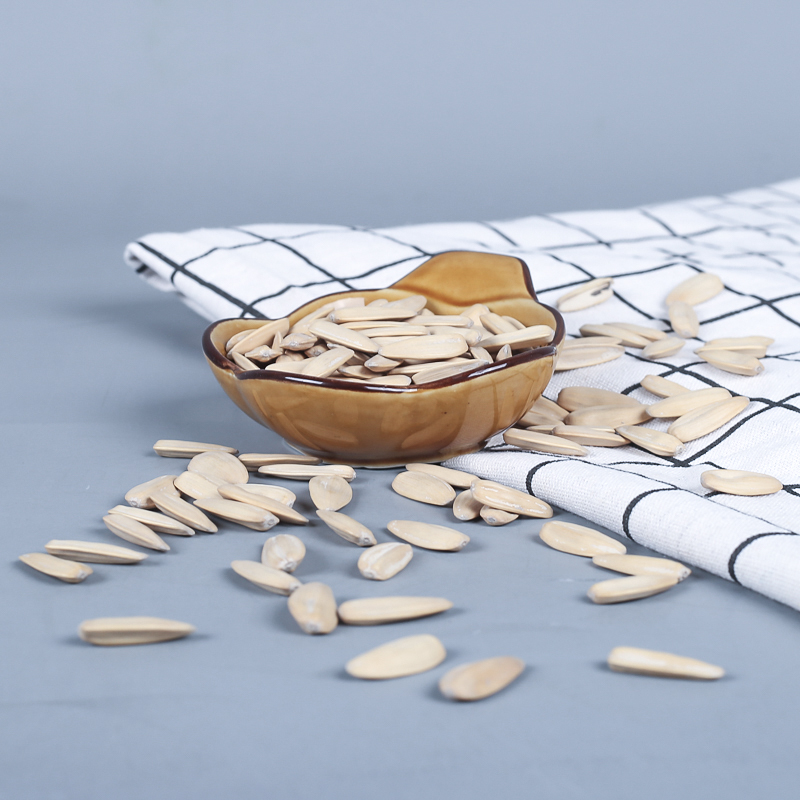
Introduction
Sunflower seeds ( Helianthus annuus ) represent a globally significant agricultural commodity, positioned as a critical component within the edible oil, confectionary, and animal feed supply chains. This technical guide provides an in-depth examination of price determinants for sunflower seeds, focusing on the interplay of agronomic factors, processing methodologies, international trade dynamics, and quality specifications. Understanding these parameters is crucial for procurement managers, traders, and manufacturers seeking to optimize sourcing strategies and mitigate price volatility. The seed’s value is directly tied to oil content, protein levels, hulling characteristics, and the presence of specific fatty acid profiles demanded by end-use applications. Price fluctuations are also heavily influenced by geopolitical factors impacting major producing regions, such as Ukraine and Russia, and by shifts in global demand patterns driven by consumer preferences for healthier oils and snacks. This guide aims to demystify these complex interactions and provide a technically sound foundation for informed decision-making regarding price for sunflower seeds products.
Material Science & Manufacturing
Sunflower seed composition is fundamentally governed by its botanical structure. The seed kernel comprises approximately 40-55% oil, 20-25% protein, 10-15% hull, and 5-10% moisture. The oil is predominantly composed of linoleic acid (typically 60-75%), oleic acid (15-30%), and palmitic acid (3-6%). Varietal selection directly influences these proportions, impacting oil quality and overall price. Manufacturing begins with field cultivation, where soil composition, irrigation, and fertilizer application significantly affect seed yield and oil content. Harvesting methods – mechanical versus manual – impact seed damage and subsequent quality. Post-harvest processing includes cleaning, drying (critical for preventing aflatoxin contamination, a primary quality concern), dehulling, and grading. Dehulling efficiency is paramount, as hull content directly lowers the value of the seed for oil extraction and confectionary applications. Advanced optical sorting technologies are employed to remove foreign matter and discolored seeds. Thermal processing, such as roasting for confectionary seeds, impacts flavor profiles and requires precise temperature control to avoid lipid oxidation and rancidity. Quality control at each stage is essential, utilizing techniques such as near-infrared spectroscopy (NIRS) to assess oil content and fatty acid composition. The manufacturing process directly influences the final moisture content, a key parameter affecting storage stability and susceptibility to microbial growth.

Performance & Engineering
The ‘performance’ of sunflower seeds, from a price perspective, is determined by their ability to meet specific industrial requirements. For oil extraction, high oil content and efficient extractability are crucial. Engineering considerations focus on minimizing energy consumption during oil pressing or solvent extraction, optimizing process parameters to maximize yield, and managing waste streams. For confectionary seeds, size, shape, and kernel fullness are critical, requiring precise grading and sorting. Hulling strength and resistance to breakage during handling are also important performance parameters. Shelf life, dictated by oxidative stability, is a significant engineering challenge. Packaging materials with low oxygen transmission rates (OTR) and moisture vapor transmission rates (WVTR) are employed to maintain seed quality during storage and transport. Force analysis is applied to seed handling equipment to minimize damage during conveying and processing. Compliance requirements, such as maximum permissible levels of aflatoxins (regulated by organizations like the European Food Safety Authority – EFSA), and pesticide residues (governed by Codex Alimentarius standards), are paramount and necessitate rigorous testing and traceability protocols. The engineering of storage facilities, including temperature and humidity control, is vital for preserving seed viability and preventing deterioration.
Technical Specifications
| Parameter | Unit | Standard Grade | Premium Grade |
|---|---|---|---|
| Oil Content (Dry Basis) | % | 40-45% | 46-52% |
| Kernel Moisture Content | % | 9-10% | 8-9% |
| Hull Content (Dehulled) | % | 5-8% | <2% |
| Free Fatty Acid (FFA) | % | <1.0% | <0.5% |
| Peroxide Value | meq O2/kg | <5.0 | <3.0 |
| Aflatoxin B1 | ppb | <5 ppb | <2 ppb |
Failure Mode & Maintenance
Sunflower seed failure modes impacting price are diverse. Lipid oxidation, leading to rancidity, is a common issue, accelerated by high temperatures, light exposure, and the presence of metal ions. Mitigation involves antioxidant addition (e.g., vitamin E) and controlled atmosphere storage. Aflatoxin contamination, caused by Aspergillus molds, is a significant food safety concern, particularly in warm, humid climates. Proper drying and storage conditions are crucial for prevention. Mechanical damage during harvesting and handling results in broken kernels and increased susceptibility to spoilage. Careful equipment operation and optimized process parameters are necessary. Insect infestation can lead to significant losses, requiring pest control measures. Degradation of protein content during prolonged storage diminishes nutritional value. Maintenance protocols include regular cleaning of storage facilities, monitoring temperature and humidity, implementing strict pest control programs, and utilizing appropriate packaging materials. Preventative maintenance on harvesting and processing equipment minimizes mechanical damage. Periodic laboratory testing for oil content, FFA, peroxide value, and aflatoxin levels is essential for quality assurance and preventing price penalties due to non-compliance.
Industry FAQ
Q: What is the primary driver of price volatility in the sunflower seed market?
A: Geopolitical factors, particularly events impacting production in major exporting countries like Ukraine and Russia, are the primary driver of price volatility. Weather patterns affecting yields in other key producing regions, such as Argentina and Bulgaria, also contribute significantly. Changes in global edible oil demand and competition from alternative oilseeds (soybean, rapeseed) further exacerbate price fluctuations.
Q: How does oil content impact the price differential between different sunflower seed grades?
A: Higher oil content directly translates to a higher price. Oil yield is the most critical factor for oil extraction facilities, so seed grades with greater oil content command a premium. The price difference can be substantial, often several cents per pound, depending on market conditions.
Q: What are the critical quality control parameters that buyers typically assess before purchasing sunflower seeds?
A: Buyers prioritize oil content, kernel moisture content, hull content (for oilseed applications), free fatty acid (FFA) levels, peroxide value (an indicator of oxidation), and aflatoxin contamination. These parameters determine the suitability of the seeds for their intended use and directly affect the price.
Q: What packaging methods are recommended to maintain sunflower seed quality during long-term storage and transport?
A: Packaging materials with low oxygen and moisture permeability are essential. Multi-layer bags incorporating polyethylene and aluminum foil are commonly used. Silos with controlled atmosphere (reduced oxygen) and temperature are also employed for large-scale storage. Proper ventilation is important to prevent condensation.
Q: How do international trade regulations influence the price of sunflower seeds?
A: Import tariffs, quotas, and phytosanitary regulations imposed by importing countries directly affect the price. Trade agreements between countries can reduce or eliminate tariffs, increasing trade flow and potentially lowering prices. Compliance with international standards for food safety (e.g., Codex Alimentarius) is mandatory for international trade and adds to the overall cost.
Conclusion
The price for sunflower seeds products is a complex function of interconnected biological, chemical, logistical, and geopolitical variables. Maintaining a deep understanding of these factors—from varietal selection and post-harvest handling to global trade dynamics and stringent quality control measures—is paramount for optimizing procurement and mitigating risk. Accurate assessment of oil content, moisture levels, and potential contaminants, coupled with adherence to international standards, are vital for ensuring both product quality and maximizing economic value.
Future trends point toward increased demand for high-oleic sunflower seeds due to their superior oxidative stability and health benefits. Sustainable farming practices and traceability systems will likely become increasingly important, influencing price premiums. Continued innovation in processing technologies, aimed at improving oil yield and reducing waste, will also impact market dynamics. Proactive monitoring of global supply and demand, coupled with robust risk management strategies, will be crucial for navigating the evolving sunflower seed market landscape.
