Introduction
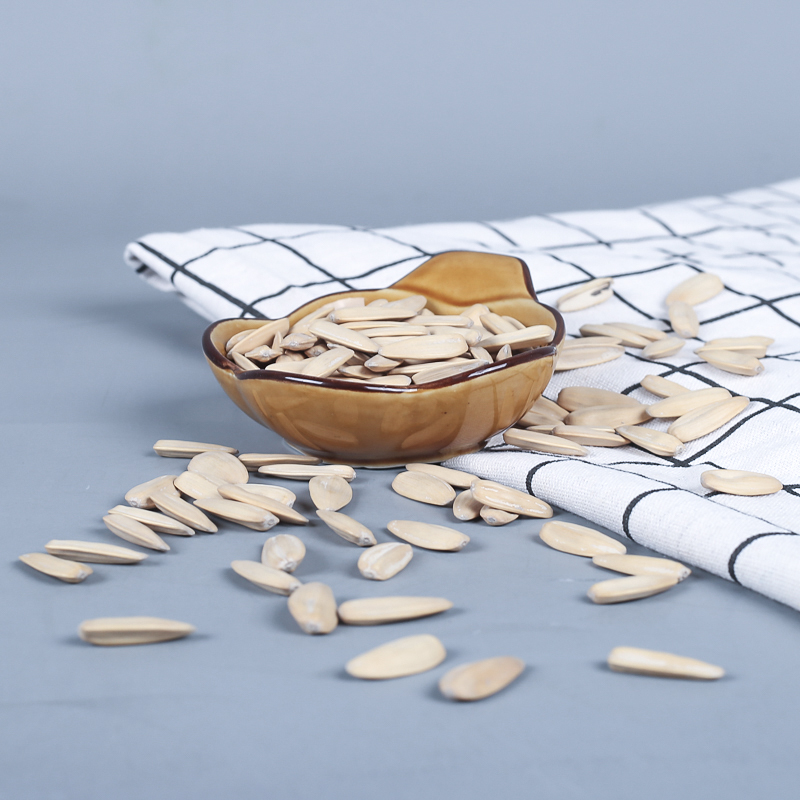
Sunflower seeds ( Helianthus annuus ) represent a globally significant oilseed crop and direct-consumption food source. This guide provides an in-depth technical overview of sunflower seed characteristics, encompassing agronomic factors impacting seed quality, processing parameters affecting oil yield and protein content, and key quality control metrics relevant to both the edible seed and oil extraction industries. Sunflower seeds occupy a critical position in the agricultural commodity chain, serving as the primary input for vegetable oil production, animal feed, and a growing market for direct human consumption, driven by health benefits and snack food applications. Core performance indicators center on oil content (typically 40-50% by weight), protein content (20-25%), moisture content (below 10% for storage stability), and the absence of mycotoxins and other contaminants. The global sunflower seed market is susceptible to factors including geopolitical events, weather patterns impacting yields in key producing regions (Ukraine, Russia, Argentina, EU), and evolving consumer preferences for healthier snack options. Understanding these technical nuances is crucial for procurement managers, food manufacturers, and agricultural professionals engaged in the sourcing, processing, and distribution of sunflower seeds.
Material Science & Manufacturing
Sunflower seeds are fundamentally biological materials, composed of an outer hull (pericarp) containing cellulose and lignin, an inner kernel rich in oil, protein, and carbohydrates, and a developing embryo. Raw material variation stems from genetic factors (hybrid variety), growth conditions (soil composition, climate, irrigation), and harvesting techniques. Seed hulls contribute to fiber content and impact the efficiency of oil extraction. The oil itself is a complex mixture of triglycerides, primarily linoleic acid (omega-6), oleic acid (omega-9), and palmitic acid. Manufacturing processes begin with harvesting, followed by drying to reduce moisture content to prevent mold growth and aflatoxin production. Cleaning removes debris (stalks, leaves, stones). Dehulling (optional, depending on the end-use) separates the kernel from the hull. Kernel processing includes cracking, flaking, cooking, and pressing/solvent extraction to recover the oil. Key parameter control during drying focuses on temperature (below 60°C to avoid protein denaturation) and airflow to ensure uniform moisture reduction. Dehulling efficiency is determined by impact force and abrasion resistance. Oil extraction yields are influenced by flake thickness, cooking temperature (optimizing oil release while minimizing protein degradation), and solvent purity (typically hexane). Protein meal, a byproduct of oil extraction, undergoes further processing (drying, toasting) for animal feed applications. Controlling seed moisture content is critical because it directly impacts the rate of lipid peroxidation, leading to rancidity and decreased oil quality. Improper storage conditions contribute to increased free fatty acid levels and diminished shelf life.
Performance & Engineering
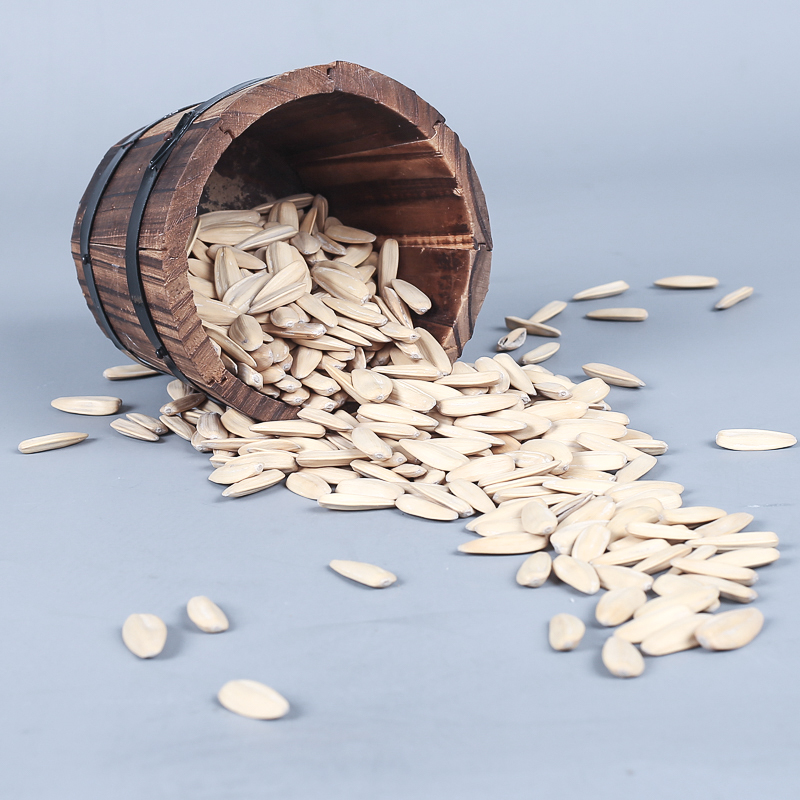
Sunflower seed performance is evaluated through several engineering and analytical metrics. Oil yield, expressed as a percentage of seed weight, is paramount. Factors influencing yield include seed oil content, extraction efficiency, and residual oil in the meal. Shear force analysis during dehulling assesses hull strength and the energy required for separation. Kernel hardness is a measure of resistance to cracking and impacts processing efficiency. Moisture content is critically controlled to maintain seed viability and prevent spoilage, governed by the Arrhenius equation which describes the rate of moisture-related degradation as a function of temperature and time. Environmental resistance considerations include storage stability under varying temperature and humidity conditions. Packaging materials must provide a barrier to oxygen and moisture to prevent oxidative degradation of the oil. Compliance requirements are dictated by food safety regulations (FDA, EFSA) concerning mycotoxin levels (aflatoxins, ochratoxins), pesticide residues, and heavy metal contamination. Functional implementation, specifically in snack food applications, demands assessment of seed size uniformity, hull integrity (for in-shell consumption), and flavor profile (influenced by roasting parameters and seasoning application). The tensile strength of the seed coat is important to prevent breakage during handling and processing. Heat transfer analysis is crucial during roasting to ensure uniform cooking without burning, impacting flavor development and texture.
Technical Specifications
| Parameter | Unit | Typical Range (Oilseed Variety) | Typical Range (Confectionery Variety) |
|---|---|---|---|
| Oil Content | % (Dry Weight Basis) | 42-52 | 38-45 |
| Protein Content | % (Dry Weight Basis) | 18-28 | 20-25 |
| Moisture Content | % | ≤ 9.0 | ≤ 8.0 |
| Hull Content | % | 20-30 | 2-5 (dehulled) |
| Kernel Size (Diameter) | mm | 6-12 | 10-16 |
| Aflatoxin B1 Level | ppb | ≤ 20 (Regulatory Limit) | ≤ 20 (Regulatory Limit) |
Failure Mode & Maintenance
Sunflower seed failure modes encompass several categories. Biological degradation, primarily caused by fungal growth (leading to mycotoxin contamination), is a major concern. This is accelerated by high moisture content and improper storage conditions. Lipid oxidation, resulting in rancidity, occurs due to exposure to oxygen and light. Mechanical damage during harvesting, handling, and processing (cracking, chipping) reduces seed quality and increases dust generation. Insect infestation can lead to significant losses. Failure modes in confectionery varieties include shriveled kernels, discoloration, and off-flavors. Maintenance strategies focus on strict quality control throughout the supply chain. Proper drying and storage (temperature-controlled, low humidity) are paramount. Regular monitoring for mycotoxins and pesticide residues is essential. Implementing robust cleaning procedures removes contaminants. Packaging materials should provide a barrier to oxygen, moisture, and light. For oil extraction facilities, preventive maintenance of processing equipment (presses, solvent extraction systems) minimizes downtime and optimizes oil yield. Regular calibration of analytical instruments ensures accurate quality assessment. Implementing a HACCP (Hazard Analysis and Critical Control Points) plan is critical for identifying and mitigating potential hazards.
Industry FAQ
Q: What is the impact of different sunflower varieties on oil quality?
A: Different sunflower varieties exhibit varying fatty acid profiles. High-oleic varieties, for instance, contain a higher proportion of oleic acid, resulting in increased oxidative stability and a longer shelf life compared to linoleic varieties. This impacts the suitability for different applications – high-oleic is preferred for frying oils, while linoleic is often favored for nutraceutical applications due to its essential fatty acid content. Seed color (black, white, striped) also correlates with hull composition and oil content, albeit to a lesser extent.
Q: How does moisture content affect the long-term storage of sunflower seeds?
A: Moisture content is the most critical factor affecting long-term storage. Above 10%, the risk of fungal growth and mycotoxin production significantly increases. The water activity (Aw) is a key parameter; lowering Aw inhibits microbial growth. Proper drying to below 9% and storage in a cool, dry environment are essential. Monitoring moisture content during storage is crucial, and aeration may be necessary in large bulk storage facilities to prevent moisture buildup.
Q: What are the key considerations for mitigating aflatoxin contamination?
A: Aflatoxin contamination is a major food safety concern. Mitigation strategies include selecting disease-resistant varieties, implementing good agricultural practices (proper irrigation, fertilization, pest control), ensuring thorough drying of seeds after harvest, and avoiding mechanical damage during handling. Regular testing for aflatoxin levels is mandatory, and contaminated batches must be rejected or processed using detoxification methods (although these can affect oil quality).
Q: How does the dehulling process influence the nutritional value of sunflower seeds?
A: Dehulling removes the outer hull, concentrating the oil and protein content in the kernel. However, the hull also contains fiber and some micronutrients. Dehulling can reduce the overall fiber content of the final product. The dehulling process itself can generate dust, potentially leading to losses of valuable oil-soluble vitamins. Therefore, efficient dehulling techniques that minimize kernel damage are crucial.
Q: What quality control tests are essential for incoming sunflower seed shipments?
A: Essential quality control tests include moisture content determination, oil content analysis, protein content assessment, foreign matter inspection, damage assessment (cracked, chipped kernels), mycotoxin screening (aflatoxins, ochratoxins), pesticide residue analysis, and determination of peroxide value (indicating oxidation). Visual inspection for insect infestation and mold growth is also critical.
Conclusion
Sunflower seeds represent a versatile agricultural commodity with diverse applications spanning food, feed, and industrial sectors. Maintaining consistent quality and safety requires a holistic understanding of the material science, manufacturing processes, and potential failure modes inherent in the product lifecycle. Precise control over agronomic practices, post-harvest handling, and processing parameters are critical for maximizing oil yield, minimizing contamination risks, and ensuring compliance with stringent regulatory standards.
Future trends in the sunflower seed industry are likely to focus on developing improved varieties with enhanced oil profiles, greater disease resistance, and improved processing characteristics. Sustainable agricultural practices, reducing water usage and minimizing pesticide application, will become increasingly important. Advanced analytical techniques and real-time monitoring systems will play a pivotal role in optimizing quality control and ensuring traceability throughout the supply chain.
