Introduction
Sunflower seed manufacturing is a critical component of the global food and oilseed industry, influencing markets ranging from confectionary products to animal feed and biofuel production. The price for sunflower seeds is not a static figure; it is a dynamic variable impacted by agronomic factors, geopolitical events, processing efficiency, and overall market demand. This guide provides an in-depth examination of the determinants of sunflower seed pricing, encompassing agricultural science, processing technologies, quality control parameters, and relevant international standards. Understanding these intricacies is vital for procurement managers, agricultural engineers, food scientists, and traders involved in the sunflower seed supply chain. We will dissect the factors contributing to price volatility and explore best practices for optimizing procurement strategies.
Material Science & Manufacturing
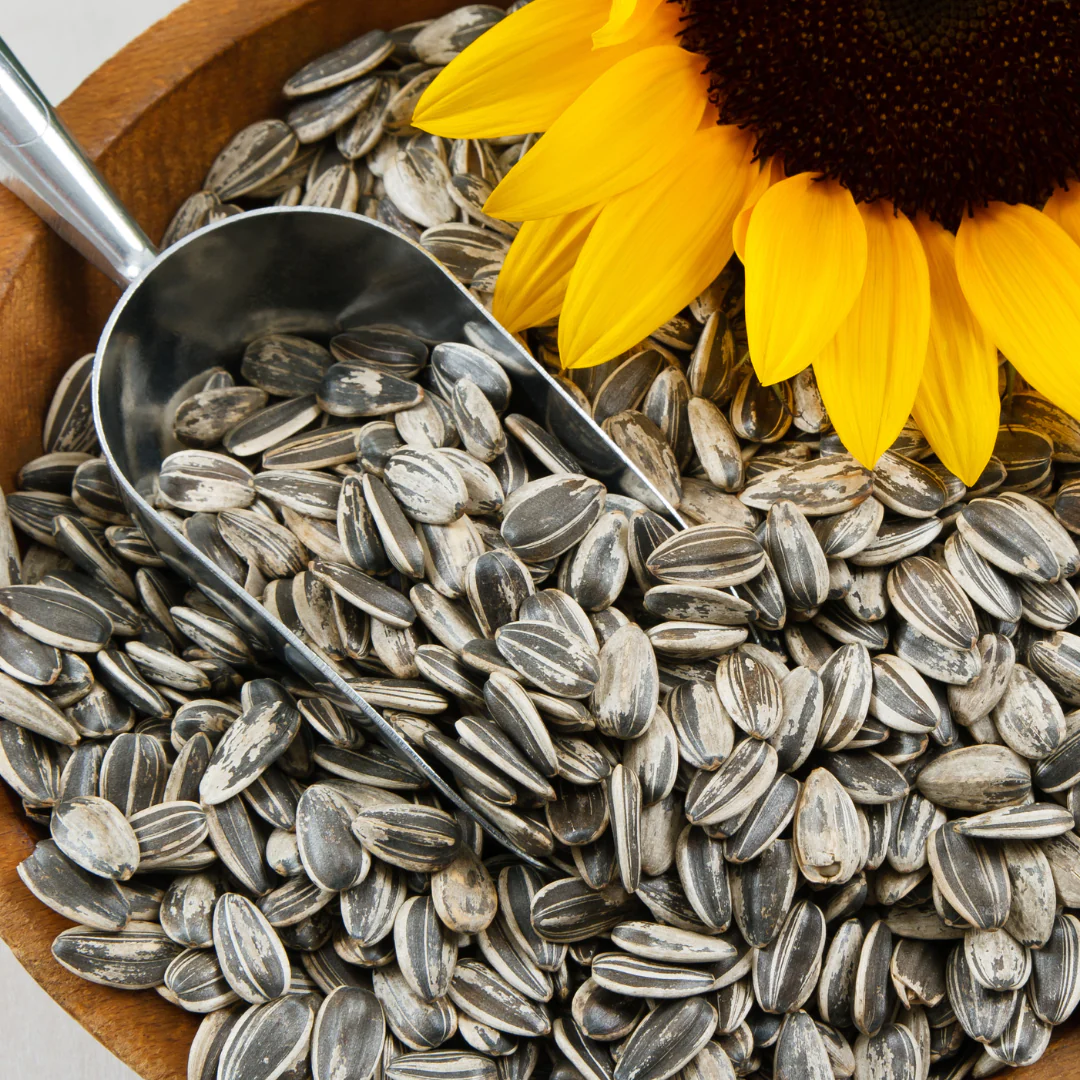
Sunflower seeds ( Helianthus annuus) consist of a hull (pericarp) representing approximately 20-30% of the seed’s weight, a kernel containing the oil and protein, and a seed coat. The kernel’s oil content, typically ranging from 40% to 58%, is the primary driver of value. The raw material’s quality is dictated by genetic lineage (hybrid varieties bred for oil yield and disease resistance), growing conditions (temperature, rainfall, soil composition), and harvesting techniques. Manufacturing begins with field cultivation, followed by harvesting, cleaning (removal of debris, chaff, and foreign matter), drying (to a moisture content of around 9-10% to prevent fungal growth and maintain oil quality), dehulling (mechanical removal of the hull), and kernel grading based on size, shape, and oil content. Dehulling is a critical step, utilizing impact or friction methods. Parameter control during drying is paramount; excessive heat degrades oil quality (increasing free fatty acid content), while insufficient drying leads to mold development and aflatoxin contamination. Oil extraction methods – mechanical pressing (expeller pressing) and solvent extraction (typically using hexane) – influence oil yield and purity. Solvent extraction yields higher oil recovery but requires rigorous solvent removal to meet food safety standards. The hull material can be utilized for biofuel production or as animal feed, adding secondary revenue streams. Furthermore, the processing environment must be carefully controlled to prevent the introduction of foreign materials and maintain hygienic conditions, impacting the seed’s overall grade and price.
Performance & Engineering
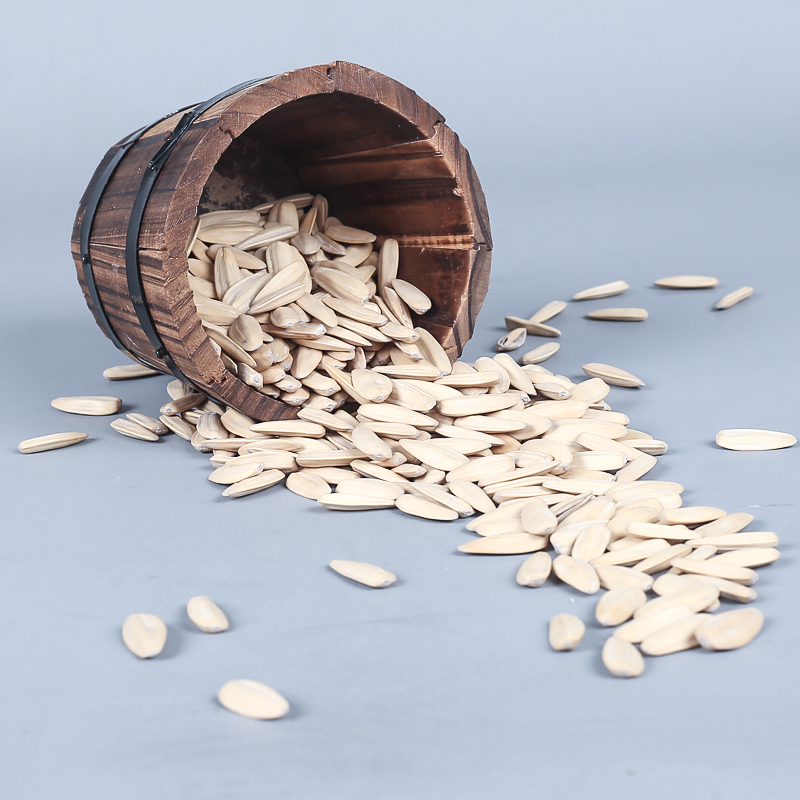
The performance of sunflower seeds is assessed based on several key engineering principles. Bulk density impacts storage and transportation logistics; higher density translates to increased volumetric efficiency but can also lead to compaction and potential damage. Shear strength of the kernel is critical during dehulling and oil extraction, influencing processing efficiency and minimizing kernel breakage. The flowability of the seeds is governed by particle size distribution, moisture content, and surface texture, which affects the performance of conveying systems and metering devices. Environmental resistance is vital for maintaining seed viability during storage. This includes resistance to insect infestation (controlled through aeration, temperature management, and fumigation) and fungal growth (prevented by moisture control and the use of antifungal treatments). Compliance requirements are stringent, revolving around food safety regulations (such as maximum permissible levels of aflatoxins, pesticide residues, and heavy metals) and traceability standards. Furthermore, the energy efficiency of the processing plant – particularly drying and oil extraction – directly impacts production costs and, consequently, the price for sunflower seeds. Force analysis during harvesting and handling operations is critical to minimize damage and ensure seed quality. For example, impact forces during combine harvesting must be optimized to reduce kernel cracking.
Technical Specifications
| Parameter | Unit | Standard Grade | Premium Grade |
|---|---|---|---|
| Oil Content (Dry Basis) | % | 44-48 | >48 |
| Kernel Moisture Content | % | < 9.5 | < 8.5 |
| Hull Content | % | < 10 | < 5 |
| Foreign Matter | % | < 2 | < 1 |
| Damaged Kernels (Cracked/Broken) | % | < 5 | < 2 |
| Aflatoxin Levels (B1, B2, G1, G2) | ppb | < 20 | < 5 |
Failure Mode & Maintenance
Sunflower seed degradation can manifest in several failure modes. Lipid oxidation, catalyzed by enzymes and accelerated by heat, light, and oxygen, leads to rancidity and a decline in oil quality. This is characterized by an increase in free fatty acid content and the development of off-flavors. Aflatoxin contamination, caused by Aspergillus fungi, is a major food safety concern, necessitating strict monitoring and preventative measures. Mechanical damage during harvesting, dehulling, and handling can result in kernel breakage, increasing susceptibility to microbial spoilage and reducing oil yield. Insect infestation, particularly by storage pests, leads to seed loss and contamination. Maintenance strategies include regular cleaning of processing equipment to prevent mold growth and pest infestations, proper temperature and humidity control during storage to minimize lipid oxidation and aflatoxin development, and implementing robust quality control procedures to identify and remove damaged or contaminated seeds. Periodic inspection of dehulling equipment is crucial to prevent excessive kernel breakage. Preventative maintenance schedules for drying equipment ensure optimal operation and minimize the risk of thermal degradation. Routine testing for aflatoxins and other contaminants is essential for ensuring product safety and meeting regulatory requirements.
Industry FAQ
Q: What is the primary factor influencing the price fluctuation of sunflower seeds?
A: The primary driver is typically the global vegetable oil market, specifically the price of competing oils like soybean oil, palm oil, and rapeseed oil. Weather patterns in major sunflower-producing regions (Ukraine, Russia, Argentina, and the US) also exert a substantial influence, affecting yield and supply. Geopolitical events, particularly those impacting Ukraine and Russia, significantly disrupt the supply chain and drive up prices.
Q: How does the oil content of the seeds affect their price?
A: Higher oil content directly correlates with a higher price. Seed buyers are willing to pay a premium for seeds with elevated oil yields, as this translates to greater oil extraction efficiency and profitability. Oil content is a key quality parameter used in seed grading and pricing negotiations.
Q: What are the critical food safety standards that impact sunflower seed prices?
A: Aflatoxin levels are paramount. Exceeding regulatory limits (established by the EU, FDA, and other authorities) renders the seeds unusable for human consumption, drastically reducing their price or leading to rejection. Pesticide residue limits and heavy metal contamination are also closely monitored and impact market access and pricing.
Q: What is the role of genetic modification in sunflower seed pricing?
A: Genetically modified (GM) sunflower seeds, currently limited in commercial availability, can offer traits like herbicide tolerance and increased oil content. While they may command a premium price due to enhanced productivity, market acceptance and regulatory approval vary significantly by region, impacting overall demand and price.
Q: How does storage affect the price of sunflower seeds over time?
A: Improper storage can significantly degrade seed quality, leading to a price reduction. Maintaining optimal temperature and humidity levels, controlling insect infestation, and preventing fungal growth are essential for preserving seed viability and oil quality. Prolonged or inadequate storage results in lipid oxidation and aflatoxin development, diminishing market value.
Conclusion
The price for sunflower seeds is a complex interplay of agronomic factors, processing technologies, market dynamics, and stringent quality control measures. Understanding the impact of oil content, moisture levels, aflatoxin contamination, and adherence to international standards is paramount for effective procurement and risk management. A proactive approach to maintenance, coupled with continuous monitoring of seed quality throughout the supply chain, is crucial for optimizing value and ensuring long-term sustainability.
Future trends will likely focus on improving seed genetics for enhanced oil yield and disease resistance, implementing more efficient and sustainable processing technologies, and strengthening traceability systems to ensure food safety and transparency. Investment in research and development, coupled with robust quality assurance protocols, will be essential for navigating the evolving challenges and opportunities within the sunflower seed industry.
