Introduction
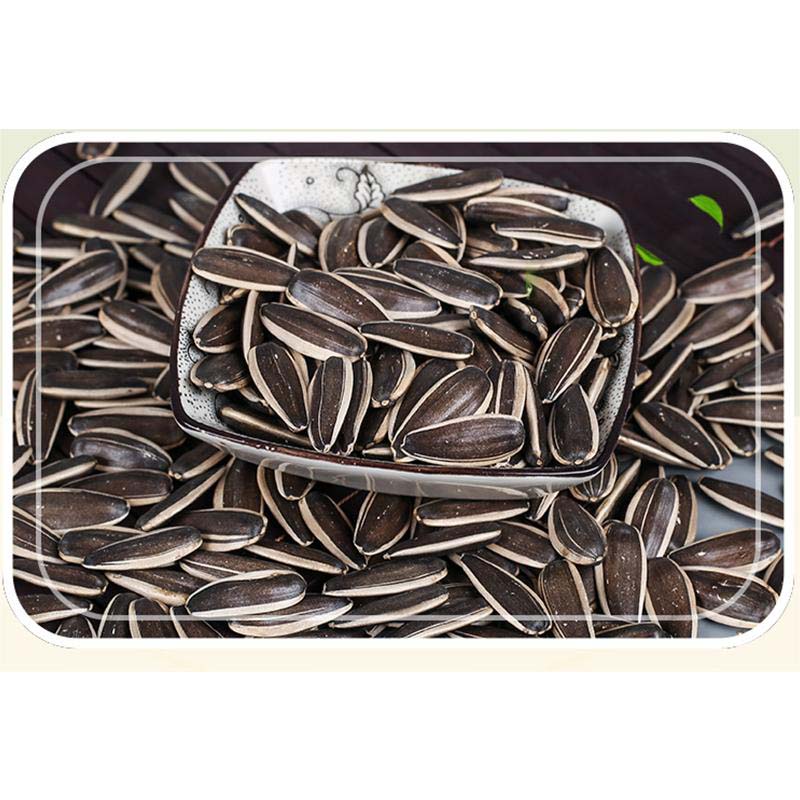
Sunflower seeds represent a significant commodity in global agricultural trade, with pricing heavily influenced by a complex interplay of factors beyond simple supply and demand. This guide provides a comprehensive technical overview for exporters navigating the sunflower seed market, focusing on the key determinants of price, quality specifications impacting value, and logistical considerations affecting cost. Understanding these elements is crucial for maximizing profitability and ensuring consistent market access. Sunflower seeds ( Helianthus annuus) are categorized broadly into confectionery (in-shell for direct consumption) and oilseed (for oil extraction) types. This differentiation impacts pricing significantly, with confectionery seeds commanding a premium. This document will detail the relevant parameters influencing price negotiation and contract fulfillment within the international export landscape. The sunflower seed industry is subject to fluctuations linked to weather patterns, geopolitical events, and the overall health of the vegetable oil market, demanding a nuanced approach to risk management and pricing strategies.
Material Science & Manufacturing
The inherent characteristics of sunflower seeds, stemming from their botanical composition and cultivation practices, directly affect their commercial value. The oil content, typically ranging from 42-58% depending on the variety, is a primary determinant of price for oilseed varieties. Linoleic acid content, a key fatty acid, also influences price based on market demand. Confectionery varieties are graded based on kernel size, hull percentage, and freedom from defects (e.g., chipped kernels, foreign material). Manufacturing processes, while not traditionally 'manufacturing' in the industrial sense, involve critical stages of harvesting, drying, dehulling (for in-shell seeds), grading, cleaning, and storage. Improper drying leads to aflatoxin contamination, a significant quality control issue and pricing deterrent. The moisture content is meticulously controlled, ideally below 9%, to prevent fungal growth and preserve oil quality. Seed treatment with fungicides during storage is common, necessitating adherence to international residue limits (detailed in the Standards & Regulations section). Kernel hardness, measured using a durometer, also impacts processability for oil extraction and confectionary applications. Genetic variations, breeding programs focusing on yield and oil content, and soil composition all play a role in defining the physical and chemical properties of the final product. The physical structure of the hull – its thickness and strength – impacts dehulling efficiency and kernel damage rates, both affecting final product grading and price.
Performance & Engineering
Analyzing the performance of sunflower seeds for export centers on maintaining quality during transit and storage. Mechanical stress during handling (loading, unloading, transportation) can lead to kernel breakage, decreasing grade and price. Packaging materials and methods are therefore crucial; multi-layer polypropylene (PP) woven bags with polyethylene (PE) liners are common, offering moisture resistance and structural integrity. The stackability of these bags is also engineered to optimize container space utilization, minimizing shipping costs. The seeds’ susceptibility to oxidation during storage necessitates controlled atmosphere packaging (CAP) or the addition of antioxidants (e.g., tocopherols) within permissible limits. Bulk density, typically around 650-750 kg/m³, influences container loading efficiency. Temperature and humidity control throughout the supply chain are paramount. High humidity promotes mold growth, while fluctuating temperatures accelerate rancidity. Engineering considerations include the design of storage silos with effective aeration systems and temperature monitoring capabilities. Furthermore, understanding the impact of different shipping modes (sea, rail, road) on seed quality – particularly vibration and exposure to environmental elements – is vital for selecting appropriate transportation solutions and mitigating potential losses. Force analysis during unloading operations identifies potential points of kernel damage.
Technical Specifications
| Parameter | Oilseed Variety | Confectionery Variety | Units |
|---|---|---|---|
| Oil Content (Dry Basis) | 48-58 | 38-45 | % |
| Moisture Content (Maximum) | 9.0 | 8.0 | % |
| Foreign Matter (Maximum) | 1.0 | 0.5 | % |
| Broken Kernels/Hull Fragments (Maximum) | 3.0 | 2.0 | % |
| Aflatoxin Levels (Maximum) | 2 ppb | 2 ppb | ppb |
| Kernel Size (Screen Size – minimum passing) | N/A | 18/64 inch | inch |
Failure Mode & Maintenance
Sunflower seed quality degradation can manifest in several failure modes. Aflatoxin contamination, arising from fungal growth ( Aspergillus flavus and Aspergillus parasiticus) during pre-harvest or storage conditions, is a major concern, rendering the seeds unusable for human consumption. This is often linked to drought stress and insect damage. Rancidity, caused by the oxidation of unsaturated fatty acids, leads to off-flavors and reduced oil quality. This is accelerated by exposure to oxygen, light, and heat. Mechanical damage (cracked kernels, hull damage) occurs during harvesting, handling, and transportation, increasing susceptibility to pest infestation and reducing market value. Insect infestation (e.g., storage beetles) can lead to significant losses and contamination. Preventative maintenance involves strict adherence to drying protocols, proper storage conditions (temperature and humidity control), regular pest control inspections, and the use of appropriate packaging materials. For oilseed varieties, monitoring free fatty acid (FFA) content is crucial, as elevated levels indicate hydrolysis and degradation. Maintaining a first-in, first-out (FIFO) inventory management system minimizes storage time and reduces the risk of quality deterioration. Implementing a comprehensive quality control program, including regular sampling and analysis for moisture content, oil content, aflatoxins, and FFA, is essential for identifying and addressing potential issues proactively.
Industry FAQ
Q: What is the impact of the Ukrainian conflict on sunflower seed prices?
A: The conflict in Ukraine, a major global sunflower seed producer, has significantly disrupted supply chains, leading to increased price volatility and overall higher prices. Export restrictions and logistical challenges have reduced available supply on the international market, driving up demand for seeds from other producing countries. This impact is especially pronounced in the European Union and North Africa, which historically relied heavily on Ukrainian sunflower seed imports.
Q: How do currency exchange rates affect profitability for exporters?
A: Currency fluctuations can significantly impact profitability. A strengthening domestic currency reduces the value of export revenue when converted back to the local currency, while a weakening currency increases revenue. Exporters often employ hedging strategies to mitigate this risk, such as forward contracts or currency options. Accurate forecasting of exchange rate movements and careful contract negotiation are essential for protecting profit margins.
Q: What are the key phytosanitary requirements for exporting sunflower seeds to the EU?
A: The EU has stringent phytosanitary regulations to prevent the introduction of plant pests and diseases. Sunflower seeds must be free from quarantine pests as defined by EU legislation. A phytosanitary certificate issued by the exporting country's national plant protection organization is required. Seeds may also be subject to import phytosanitary controls, including sampling and testing for specific pests.
Q: What is the difference between High Oleic and Linoleic sunflower seeds and how does this affect pricing?
A: High oleic sunflower seeds contain a significantly higher percentage of oleic acid (typically >70%) compared to linoleic sunflower seeds. This composition increases the oil's stability and makes it more suitable for high-heat cooking applications. As a result, High Oleic seeds command a price premium due to increased demand from the food processing industry and health-conscious consumers.
Q: What logistical challenges are most common when exporting sunflower seeds in bulk?
A: Common logistical challenges include securing adequate container availability, managing port congestion, ensuring proper cargo handling to minimize damage, and dealing with potential delays due to customs inspections. Effective communication with shipping lines, freight forwarders, and customs brokers is crucial for mitigating these risks. Maintaining adequate insurance coverage is also essential to protect against potential losses.
Conclusion
Successfully navigating the sunflower seed export market requires a thorough understanding of the complex interplay between material science, manufacturing practices, performance parameters, and external market forces. Price determination is not solely based on supply and demand; quality specifications, logistical efficiencies, and adherence to international standards are equally critical. Exporters must prioritize quality control at every stage of the supply chain, from harvesting and drying to storage and transportation, to minimize losses and maximize profitability.
Future trends indicate a growing demand for sustainable and traceable sunflower seed supply chains. Implementing certifications (e.g., Global G.A.P.) and investing in technologies to improve traceability will become increasingly important for maintaining market access and meeting consumer expectations. Continued monitoring of geopolitical events and proactive risk management strategies are essential for navigating the inherent volatility of this global commodity market.
