Introduction
Sunflower seeds ( Helianthus annuus) represent a globally traded agricultural commodity, experiencing substantial price volatility influenced by factors including global yield, import/export dynamics, geopolitical events, and end-use demand primarily from the edible oil and confectionary sectors. This technical guide provides an in-depth analysis of the key parameters influencing the pricing of sunflower seeds for export, encompassing seed quality specifications, logistical considerations, prevailing market conditions, and risk mitigation strategies. Sunflower seed export is integral to the global vegetable oil supply chain, acting as a vital source of linoleic acid, a critical polyunsaturated fatty acid. Fluctuations in sunflower seed prices directly impact consumer costs of cooking oil, animal feed, and various processed food products. Understanding the nuances of pricing is crucial for exporters, importers, and stakeholders in the agricultural commodities market. This guide will focus on the key quality parameters driving price differentiation, the logistics impacting final delivered costs, and the international standards governing trade.
Material Science & Manufacturing
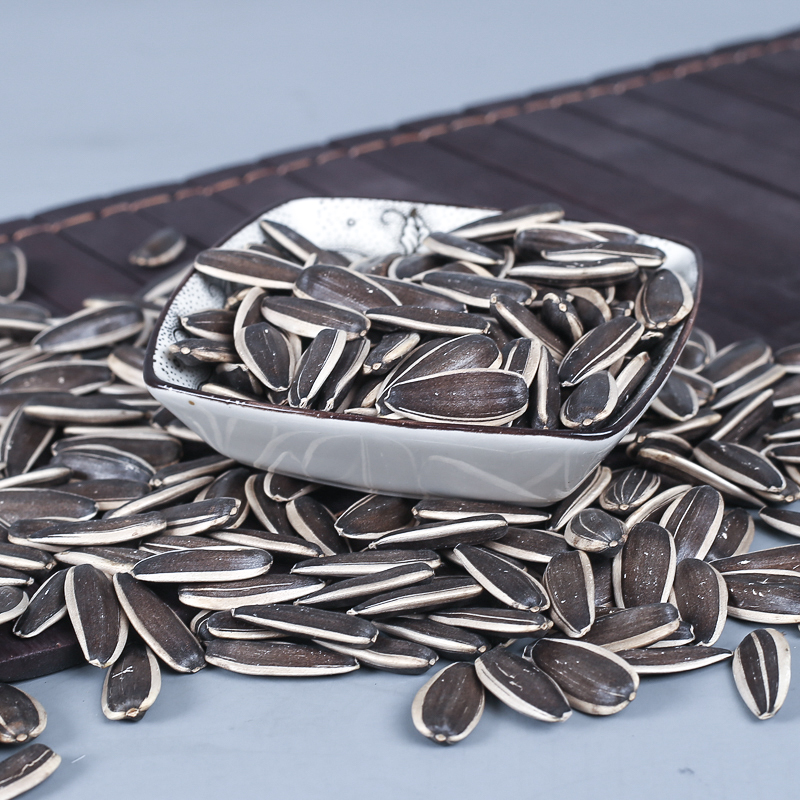
Sunflower seed composition is fundamentally governed by genetic factors, growing conditions, and post-harvest handling. The primary components influencing price are oil content (typically 42-58% by weight), protein content (16-24%), hull percentage (28-40%), and moisture content (ideally below 9%). The oil’s fatty acid profile, specifically the ratio of linoleic to oleic acid, is also a critical determinant of price. Seed varieties bred for high oleic acid content command a premium due to their enhanced stability and suitability for specific applications. Manufacturing processes, particularly drying and dehulling, significantly impact seed quality and subsequent price. Inadequate drying leads to increased moisture content, promoting fungal growth and mycotoxin production (aflatoxins, ochratoxins) which severely depreciates value and can result in shipment rejection. Mechanical dehulling requires precise control of impact force and abrasion to minimize kernel damage, reducing oil yield and increasing free fatty acid (FFA) levels. Seed cleaning processes must effectively remove foreign material (straw, stems, weed seeds) and damaged kernels. Seed treatment with appropriate fungicides and insecticides is critical to prevent storage losses, although residual levels must adhere to strict international regulatory limits. Proper storage conditions – low temperature (below 15°C) and humidity (below 65%) – are essential for maintaining seed quality and preventing oxidative degradation of the oil. The physical properties of the hull, including its thickness and resistance to cracking, impact the efficiency of dehulling operations and contribute to processing costs.
Performance & Engineering
The performance characteristics of sunflower seeds, as they relate to pricing, stem from their suitability for various processing applications. Oil extraction efficiency is paramount. Seeds with higher oil content and lower hull content yield more oil per unit weight, increasing profitability for oilseed crushers. The oil’s quality – measured by iodine value, peroxide value, and color – directly impacts its market value. Seeds intended for confectionary use require larger kernel size, consistent shape, and minimal hull damage. Mechanical strength is crucial during transportation and handling. Seeds must withstand the stresses of bulk loading, unloading, and vibration without significant cracking or shattering. Particle size distribution of the dehulled kernels influences oil extraction rates and the quality of the resulting meal (used as animal feed). Moisture content is a critical performance parameter; exceeding 9% facilitates microbial growth and compromises seed quality, affecting both oil yield and nutritional value. Thermal stability during storage is vital. Elevated temperatures accelerate lipid oxidation, leading to rancidity and decreased oil quality. Engineered solutions for controlled atmosphere storage (nitrogen flushing) can mitigate this degradation, adding value to the product. The presence of undesirable compounds, such as gossypol (a pigment found in cottonseed), must be rigorously monitored and minimized, as it can affect oil color and flavor. Packaging engineering plays a crucial role; moisture-barrier packaging is essential for maintaining low moisture content during long-distance transport.
Technical Specifications
| Parameter | Unit | Standard Grade | Premium Grade |
|---|---|---|---|
| Oil Content (Dry Basis) | % | 44-48% | 49-52% |
| Hull Content | % | 20-25% | <18% |
| Moisture Content | % | <9% | <7% |
| Foreign Matter | % | <2% | <1% |
| Damaged Kernels | % | <5% | <3% |
| Free Fatty Acids (FFA) | % | <1.0% | <0.8% |
Failure Mode & Maintenance
Sunflower seed degradation during storage and transport can manifest in several failure modes. The most common is lipid oxidation, leading to rancidity and a reduction in oil quality. This is accelerated by exposure to oxygen, light, and elevated temperatures. Mycotoxin contamination (aflatoxins, ochratoxins) is a significant concern, particularly in humid environments. Physical damage (cracking, chipping) during handling and transportation reduces oil yield and impacts seed quality. Insect infestation can cause significant losses if preventative measures are not implemented. Mold growth, facilitated by high moisture content, deteriorates seed quality and introduces harmful toxins. Maintenance strategies revolve around rigorous quality control throughout the supply chain. This includes pre-harvest assessment of seed maturity, proper drying to reduce moisture content, thorough cleaning to remove foreign material, and controlled atmosphere storage to minimize oxidation. Regular monitoring for insect pests and fungal growth is essential. Appropriate packaging materials with moisture barriers are critical. Preventative fungicide application before storage can reduce the risk of mold contamination. Implementing a robust traceability system allows for rapid identification and isolation of contaminated batches. Proper ventilation in storage facilities is vital to prevent humidity buildup. Regular inspection of storage structures for leaks and pest entry points is also necessary.
Industry FAQ
Q: What is the impact of GMO sunflower varieties on export pricing?
A: The presence of genetically modified (GMO) sunflower varieties can significantly affect export pricing and market access. Many importing countries, particularly in Europe and Asia, have strict regulations regarding GMO products. Non-GMO sunflower seeds typically command a price premium in these markets. Exporters must provide documentation verifying the non-GMO status of their seeds to meet import requirements. Testing for GMO presence is essential, and certification from accredited laboratories is often required.
Q: How do currency fluctuations affect the final price for international buyers?
A: Currency fluctuations introduce a significant level of risk in international trade. A strengthening of the exporting country’s currency relative to the importing country’s currency makes the sunflower seeds more expensive for the buyer. Conversely, a weakening of the exporting country’s currency makes the seeds more competitive. Exporters often use hedging strategies (forward contracts, options) to mitigate currency risk and stabilize pricing for buyers.
Q: What logistical costs contribute the most to the final price?
A: Logistical costs, encompassing freight, insurance, and port handling charges, represent a substantial portion of the final price. Ocean freight rates are particularly volatile, influenced by factors such as fuel prices, vessel availability, and geopolitical events. Port congestion and delays can also increase costs. Inland transportation (trucking, rail) adds to the overall expense. Insurance premiums cover risks of damage or loss during transit. Efficient logistics planning, including optimized routing and consolidation of shipments, is crucial for minimizing costs.
Q: How do aflatoxin regulations impact pricing and trade?
A: Aflatoxin regulations are extremely stringent in many importing countries. Exceeding the permissible aflatoxin limit (typically 2-4 ppb) results in shipment rejection and significant financial losses. Sunflower seeds sourced from regions prone to aflatoxin contamination may require pre-shipment testing and treatment. This adds to the cost and can reduce the price offered by importers. Implementing robust quality control measures throughout the supply chain is vital for ensuring compliance with aflatoxin regulations.
Q: What is the role of export credit guarantees in mitigating risk for exporters?
A: Export credit guarantees provide insurance against the risk of non-payment by foreign buyers. They are particularly valuable when dealing with buyers in politically or economically unstable countries. Export credit agencies (ECAs) offer guarantees that protect exporters against losses due to commercial or political risks. Obtaining an export credit guarantee can enable exporters to offer more competitive payment terms to buyers, increasing their chances of securing contracts.
Conclusion
The pricing of sunflower seeds for export is a complex interplay of biological factors, processing parameters, logistical challenges, and global market dynamics. A thorough understanding of these elements is essential for exporters seeking to maximize profitability and maintain a competitive edge. Key determinants include oil content, hull percentage, moisture content, and the absence of contaminants such as aflatoxins. Efficient supply chain management, proactive risk mitigation strategies, and adherence to international quality standards are crucial for success.
Looking forward, the demand for sunflower seeds is expected to remain strong, driven by the growing global population and the increasing demand for vegetable oils. However, exporters will need to adapt to evolving market conditions, including increasing competition, stricter regulatory requirements, and the potential impact of climate change on yields. Investing in research and development to improve seed varieties and optimize processing techniques will be critical for ensuring long-term sustainability.
