Introduction
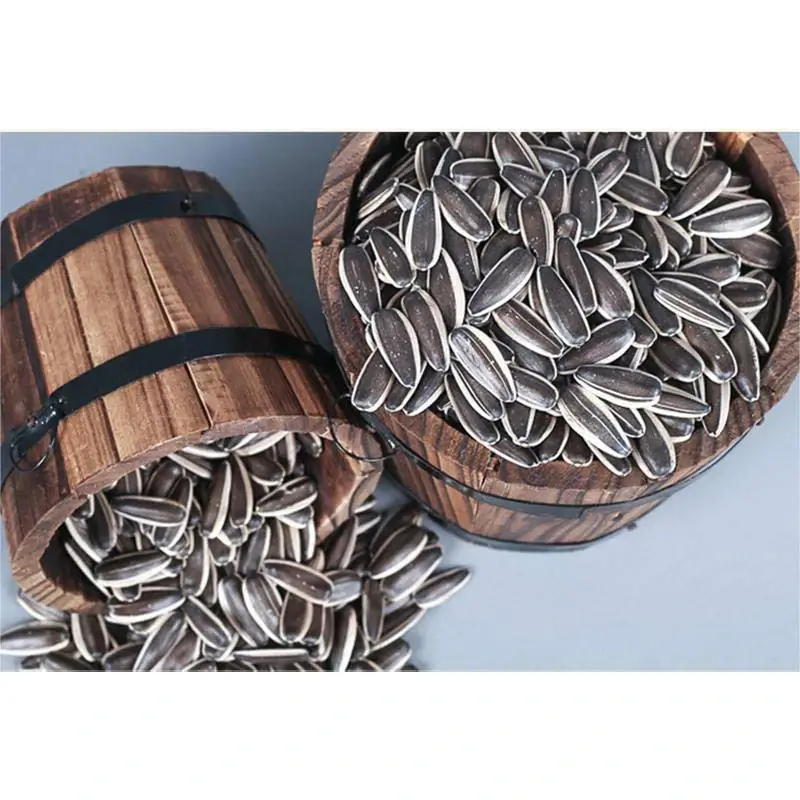
Sunflower seeds without shells, commercially referred to as hulled sunflower seeds or “sunflowers,” represent a significant segment of the broader sunflower seed market, catering primarily to direct consumption and food processing applications. These seeds occupy a distinct technical niche within the agricultural commodity chain, requiring specific post-harvest processing – dehulling – beyond the initial harvesting and drying stages common to all sunflower seed types. The technical position is critical: the dehulling process impacts kernel integrity, oil content, protein composition, and susceptibility to rancidity. Core performance parameters for suppliers revolve around maintaining high kernel yield, minimizing broken kernels, low moisture content, consistent seed size, and adherence to stringent food safety standards, especially concerning aflatoxin levels and pesticide residue. The increasing demand for healthy snacks and plant-based protein sources drives the industry, with manufacturers relying on consistent quality from suppliers to ensure product consistency and consumer appeal.
Material Science & Manufacturing
The primary raw material is the black oilseed sunflower ( Helianthus annuus), bred for high oil content and large seed size. The seed itself comprises the kernel (the edible portion), the hull (protective outer layer), and the embryo. Hull composition is primarily cellulose, hemicellulose, and lignin, imparting structural rigidity. Kernel composition is roughly 50-60% oil (primarily linoleic acid, an omega-6 fatty acid), 20-25% protein, 10-15% moisture (critical for dehulling efficiency), and smaller amounts of carbohydrates and minerals. Dehulling is the core manufacturing process. This typically involves impact dehulling, employing rotating drums with abrasive surfaces to separate the hull from the kernel. Key parameters include drum speed, impact angle, gap width between the drums, and feed rate. Pre-dehulling moisture content is crucial; seeds that are too dry result in excessive breakage, while those too wet cause sticking and inefficient separation. Following dehulling, seeds undergo cleaning (removing hull fragments), grading (sizing), sorting (removing damaged or discolored kernels), and often coating with a light vegetable oil to prevent oxidation. Chemical compatibility during the oil coating stage must be carefully controlled to avoid off-flavors or rancidity. Storage conditions – temperature and humidity – are critical post-processing to maintain quality and prevent aflatoxin contamination. The oil used for coating must be food-grade and exhibit low peroxide value to maximize shelf life. Material selection for the dehulling machinery (e.g., stainless steel for food contact surfaces, hardened alloys for abrasive elements) impacts both durability and potential for metal contamination.
Performance & Engineering
Performance is fundamentally linked to kernel integrity. Force analysis during dehulling reveals that impact forces must be optimized to fracture the hull without crushing the kernel. This requires precise control of drum parameters mentioned previously. Environmental resistance centers on preventing moisture absorption post-dehulling, leading to rancidity. Packaging materials play a crucial role, with moisture barrier properties (Water Vapor Transmission Rate - WVTR) being a key performance indicator. Packaging films must exhibit a WVTR below 1 g/m²/24h at 38°C and 90% RH. Another critical aspect is preventing light exposure, as UV radiation accelerates lipid oxidation. Opaque or UV-blocking packaging is therefore essential. Compliance requirements are stringent, dictated by food safety regulations in importing countries (FDA in the US, EFSA in Europe). Aflatoxin levels are paramount, with maximum permissible limits typically set at 20 parts per billion (ppb). Pesticide residue limits are also strictly enforced, requiring suppliers to implement robust quality control measures throughout the entire production chain. Furthermore, the seeds need to meet standards for foreign material (dust, stones, metal fragments), with acceptable levels defined by international regulations. Engineering considerations include designing dehulling systems that minimize energy consumption and maximize throughput while maintaining quality. This involves computational fluid dynamics (CFD) modelling to optimize airflow and impact patterns within the dehulling drums.
Technical Specifications
| Parameter | Unit | Specification (Standard Grade) | Specification (Premium Grade) |
|---|---|---|---|
| Kernel Moisture Content | % | ≤ 8.0 | ≤ 7.0 |
| Broken Kernels (by weight) | % | ≤ 5.0 | ≤ 2.0 |
| Foreign Material | % | ≤ 1.0 | ≤ 0.5 |
| Aflatoxin Level | ppb | ≤ 20 | ≤ 5 |
| Oil Content (dry basis) | % | ≥ 48.0 | ≥ 50.0 |
| Seed Size (Kernel Diameter – Average) | mm | 10-12 | 11-13 |
Failure Mode & Maintenance
Failure modes in sunflower seed kernels stem from several sources. Fatigue cracking can occur during handling and processing if seeds are subjected to repeated impacts. Delamination – separation of the kernel halves – is a consequence of improper dehulling parameters (excessive force or moisture content). Rancidity is a significant concern, resulting from lipid oxidation triggered by exposure to oxygen, light, or heat. This manifests as off-flavors and reduced nutritional value. Aflatoxin contamination arises from fungal growth ( Aspergillus flavus and Aspergillus parasiticus) during pre-harvest conditions or improper storage. Microscopic cracks and fissures provide entry points for fungal spores. Maintenance protocols are vital. Dehulling equipment requires regular inspection and replacement of worn abrasive elements (drums, liners). Cleaning systems must be meticulously maintained to prevent buildup of hull fragments and dust, which can harbor pathogens. Storage facilities must be kept dry, cool (below 20°C), and well-ventilated. Regular monitoring of moisture content, aflatoxin levels, and peroxide value is essential. Preventative maintenance programs should include vibration analysis of rotating equipment to detect bearing failures and lubrication schedules to minimize friction and wear. Equipment cleaning procedures must adhere to strict hygiene standards to prevent cross-contamination.
Industry FAQ
Q: What are the key differences between oil-type and confectionery-type sunflower seeds and how does this impact your supply?
A: Oil-type sunflower seeds, grown for oil extraction, typically have a smaller kernel size and higher oil content. Confectionery types, specifically bred for direct consumption, are larger, have a thicker hull, and a lower oil content. Our supply focuses on confectionery-type seeds, ensuring a better texture and flavor profile for direct consumption. We maintain separate supply chains to prevent cross-contamination and ensure consistent kernel characteristics.
Q: How do you ensure aflatoxin levels remain within acceptable regulatory limits?
A: We employ a multi-faceted approach. This includes sourcing from regions with low aflatoxin risk, implementing rigorous pre-harvest monitoring, utilizing proper drying techniques, maintaining strict storage protocols (temperature and humidity control), and conducting regular aflatoxin testing at multiple stages of the process – incoming raw material, post-dehulling, and pre-shipment. We utilize HPLC-based testing methods to ensure accurate and reliable results.
Q: What is your process for minimizing broken kernels during dehulling?
A: Minimizing breakage is paramount. We carefully control dehulling parameters: drum speed, impact angle, feed rate, and moisture content. We also employ sophisticated sorting and grading equipment to remove broken kernels post-dehulling. Regular maintenance of the dehulling machinery, ensuring optimal abrasive surface condition, is also crucial.
Q: Can you provide data on the peroxide value of your sunflower seeds and the type of oil used for coating?
A: Yes. Our typical peroxide value is consistently below 1.0 meq O2/kg, ensuring minimal lipid oxidation. We use high-oleic sunflower oil for coating, specifically chosen for its inherent stability and resistance to rancidity. We can provide a Certificate of Analysis (COA) detailing the peroxide value and oil composition for each batch.
Q: What packaging options do you offer, and how do they protect against moisture and light?
A: We offer a range of packaging options, including multi-layer polyethylene bags with a moisture barrier layer (EVOH or PE) to achieve a WVTR below 1 g/m²/24h. We also provide options for vacuum packaging or nitrogen flushing to further reduce oxygen exposure. Bags are available in opaque or metallized films to block UV light, preserving the quality and flavor of the seeds.
Conclusion
Sunflower seed suppliers catering to the hulled seed market face a complex array of technical challenges, ranging from optimizing the dehulling process to ensuring stringent food safety compliance. Maintaining kernel integrity, minimizing rancidity, and controlling aflatoxin levels are critical performance indicators. Successful suppliers prioritize meticulous process control, robust quality assurance systems, and adherence to international standards.
The industry's future demands continuous innovation in dehulling technology, sustainable sourcing practices, and advanced packaging solutions to meet evolving consumer expectations for healthy, convenient, and high-quality snack products. Investing in research and development related to fungal resistance in sunflower varieties and improved storage methods will be crucial for mitigating aflatoxin risk and ensuring the long-term viability of the industry.
