
Introduction
Sunflower seeds, specifically the in-shell and no-shell varieties, represent a significant agricultural commodity with applications spanning human consumption, livestock feed, and oil extraction. This guide focuses on the technical aspects of supplying no-shell sunflower seeds, a processed form requiring stringent quality control throughout the entire supply chain. The industry faces increasing demands for consistent kernel size, oil content, and freedom from defects, driven by the food processing sector. No-shell sunflower seeds occupy a specific niche, commanding a higher price point due to the processing involved – dehulling – and the convenience offered to the end consumer. Effective sourcing relies on understanding the agronomic factors influencing seed quality, the mechanics of the dehulling process, and the critical parameters governing storage and transport to prevent lipid oxidation and maintain viability. This document will detail these aspects, providing a technical deep dive for procurement managers and engineers involved in sourcing and utilizing these seeds.
Material Science & Manufacturing
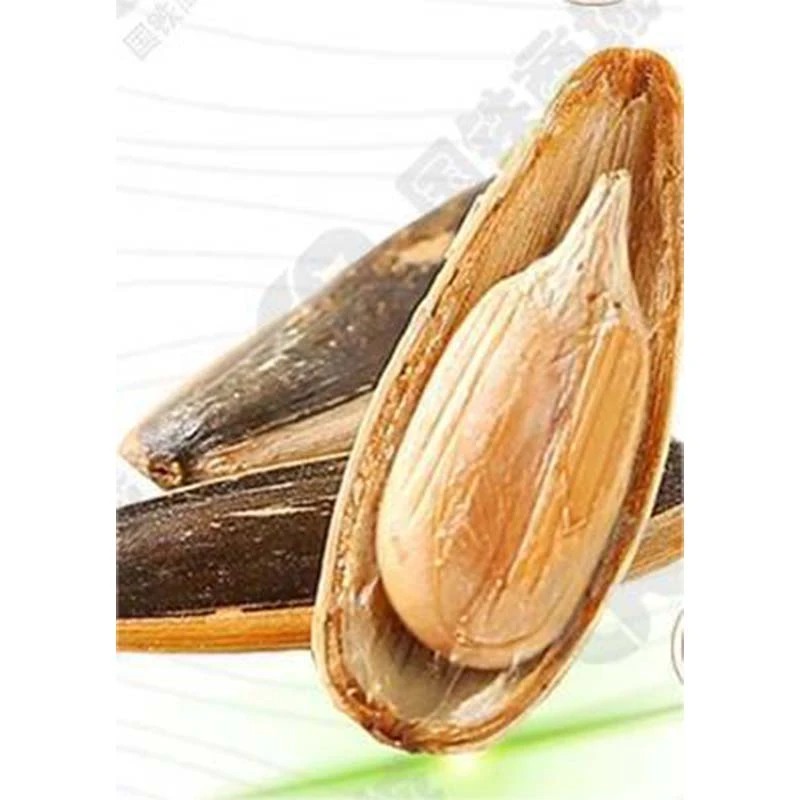
The fundamental material is the sunflower seed kernel, primarily composed of lipids (40-50% oil content, predominantly linoleic acid), proteins (20-25%), carbohydrates (15-20%), and fiber (5-10%). Kernel density typically ranges from 0.95 to 1.1 g/cm³, influencing processing efficiency. Raw sunflower seeds originate from Helianthus annuus, with varieties specifically bred for high oil content and large kernel size being preferred for no-shell production. The dehulling process is critical. Traditionally, this involves impact dehulling, where seeds are fed into a rotating drum with abrasive surfaces. Modern systems employ controlled cracking and aspiration techniques to minimize kernel damage. Key parameters include impact velocity, drum surface geometry, and aspiration airflow. Moisture content of the raw seeds (typically 9-12%) is crucial; excessively dry seeds are prone to shattering, while overly moist seeds are difficult to dehull. After dehulling, seeds undergo cleaning, sizing (using screens to separate kernels based on diameter – typically 10-16mm), and polishing to remove residual hull fragments. Optical sorting technologies are increasingly employed to detect and remove discolored or defective kernels. The chemical compatibility of storage containers is essential. High-density polyethylene (HDPE) and polypropylene (PP) are commonly used due to their low permeability to oxygen and moisture, minimizing rancidity development. Avoid polyvinyl chloride (PVC) due to potential plasticizer migration.
Performance & Engineering
Performance evaluation centers around several key metrics: oil yield (measured via Soxhlet extraction), protein content (Kjeldahl method), moisture content (oven drying method), and kernel soundness (visual inspection and impact resistance testing). The force required to fracture a kernel is a critical parameter during processing; excessive force leads to fragmentation, reducing yield and quality. Environmental resistance, particularly to temperature fluctuations and humidity, directly impacts shelf life. Sunflower oil is susceptible to oxidative degradation, leading to rancidity and a decrease in nutritional value. Packaging materials must provide a robust barrier against oxygen and moisture ingress. Compliance requirements vary by region, but generally include regulations regarding mycotoxin levels (aflatoxins are a primary concern – typically <4 ppb), pesticide residues (following FAO/WHO guidelines), and heavy metal content (lead, cadmium, mercury). Functional implementation dictates specific grading requirements. Food processors often demand specific kernel size distributions and uniformity for automated packaging lines. Bulk density, typically ranging from 500-600 kg/m³, affects storage capacity and transport logistics. The flowability of the seeds must also be considered to prevent bridging in silos or conveyors.
Technical Specifications
| Parameter | Unit | Typical Value | Acceptable Range |
|---|---|---|---|
| Oil Content (Dry Basis) | % | 48 | 45 – 52 |
| Protein Content (Dry Basis) | % | 22 | 20 – 24 |
| Moisture Content | % | 8 | 7 – 10 |
| Kernel Size (Diameter) | mm | 12 | 10 – 16 |
| Kernel Soundness (Impact Resistance) | J | 1.5 | >1.0 |
| Aflatoxin Level | ppb | <2 | <4 |
Failure Mode & Maintenance
Failure modes in no-shell sunflower seeds primarily relate to quality degradation during storage and transport. Lipid oxidation is a major concern, leading to rancidity and off-flavors. This is exacerbated by exposure to oxygen, light, and elevated temperatures. Kernel cracking and fragmentation can occur due to improper handling or excessive impact during processing. Insect infestation (e.g., Sitophilus oryzae – rice weevil) is another significant risk, particularly in warm, humid environments. Maintenance focuses on preventative measures. Storage facilities should be temperature-controlled (ideally below 15°C) and humidity-controlled (below 65%). Regular monitoring for insect activity is crucial, with appropriate pest control measures implemented when necessary. Packaging should be hermetically sealed to minimize oxygen exposure. Proper stock rotation (FIFO – First In, First Out) is essential to prevent prolonged storage. For suppliers, maintaining calibration of dehulling and sorting equipment is critical for consistent product quality. Regular cleaning and sanitization of processing lines prevent contamination and minimize the risk of microbial growth. Damage during transportation is also a failure mode; adequate cushioning and securing of pallets are essential.
Industry FAQ
Q: What are the critical considerations for long-term storage of no-shell sunflower seeds to minimize lipid oxidation?
A: Minimizing lipid oxidation requires a multi-faceted approach. Temperature control is paramount – storing seeds below 15°C significantly slows down oxidation rates. Controlling oxygen exposure through hermetically sealed packaging and potentially nitrogen flushing is vital. Adding natural antioxidants (e.g., Vitamin E) during processing can further enhance stability. Regular monitoring of peroxide value (PV) and anisidine value (AV) provides an indication of oxidation levels.
Q: How does kernel size distribution impact the efficiency of automated food processing lines?
A: Consistent kernel size distribution is crucial for automated processing. Variations in size can cause issues with metering, conveying, and packaging. Larger kernels may block lines, while smaller kernels can fall through gaps. Food processors typically specify a narrow size range to ensure optimal performance and minimize downtime.
Q: What are the acceptable levels of aflatoxins, and how are they monitored?
A: Regulatory limits for aflatoxins vary by country, but generally fall below 4 parts per billion (ppb). Monitoring is typically conducted using ELISA (Enzyme-Linked Immunosorbent Assay) or HPLC (High-Performance Liquid Chromatography) techniques. Regular testing of incoming raw materials and finished products is essential to ensure compliance.
Q: What type of packaging material provides the best barrier properties for preventing moisture ingress and oxygen exposure?
A: Multi-layer films incorporating aluminum foil or metallized polyester provide the most effective barrier against oxygen and moisture. High-density polyethylene (HDPE) and polypropylene (PP) are commonly used as inner layers due to their food contact safety and low permeability. The addition of a desiccant packet can further reduce moisture levels within the packaging.
Q: What impact does the dehulling process have on the nutritional profile of the sunflower seeds?
A: The dehulling process primarily removes the outer shell, which is rich in fiber but contains relatively low levels of oil and protein. Therefore, dehulling concentrates the oil and protein content in the kernel. However, improper dehulling can cause kernel damage, leading to lipid oxidation and loss of nutrients. Careful control of dehulling parameters is essential to preserve the nutritional value of the seeds.
Conclusion
The supply of high-quality no-shell sunflower seeds hinges on a comprehensive understanding of material science, manufacturing processes, and performance characteristics. Maintaining strict control over moisture content, employing optimized dehulling techniques, and implementing robust storage and transportation protocols are crucial for preserving product integrity and meeting the demands of the food processing industry. Successful sourcing requires not just competitive pricing, but also a demonstrable commitment to quality control and adherence to international standards.
Future trends in this sector will likely focus on enhanced sorting technologies (e.g., hyperspectral imaging) for improved defect detection, the development of more sustainable packaging materials, and the breeding of sunflower varieties with enhanced oil content and improved kernel characteristics. Continued investment in research and development will be essential for maintaining competitiveness and ensuring a reliable supply of this valuable agricultural commodity.
