Introduction
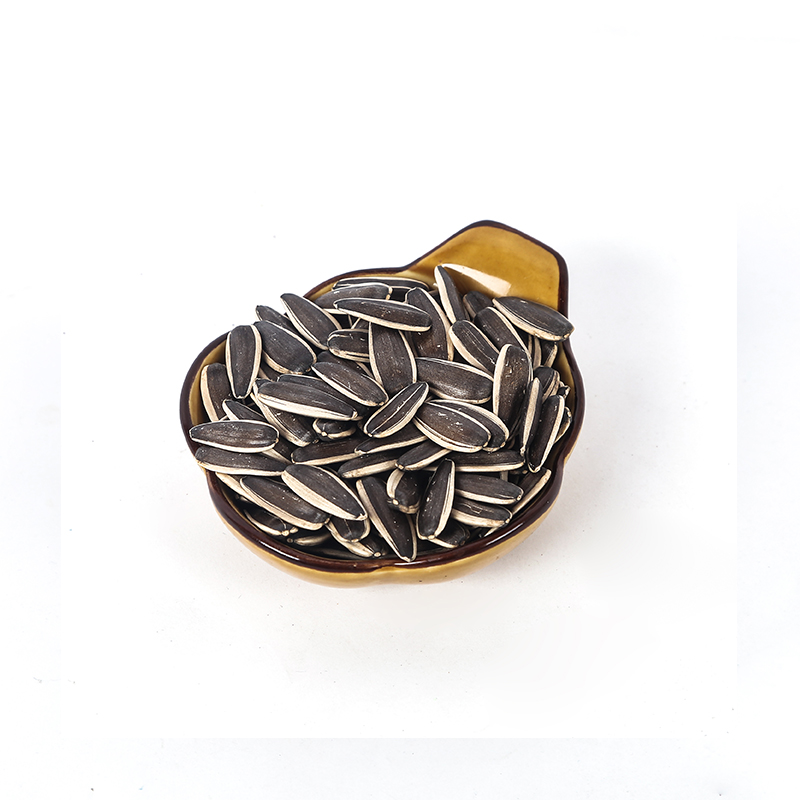
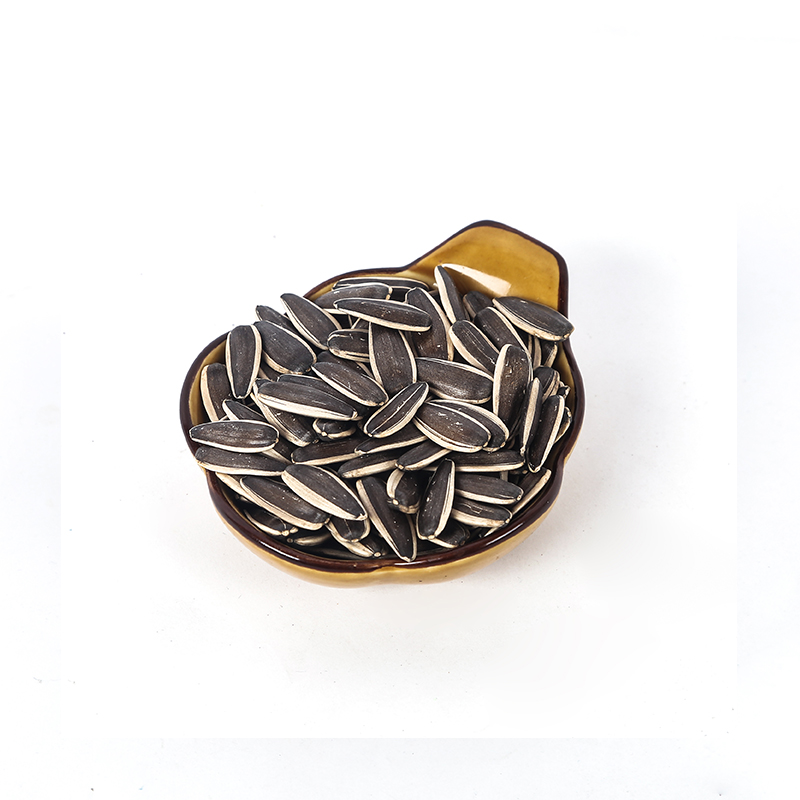
Sunflower seeds, specifically the no-shell variety, represent a significant segment within the global snack food and oilseed processing industries. This guide provides a comprehensive technical overview of these products, focusing on seed composition, processing methods, quality control, and potential degradation pathways. Sunflower seeds ( Helianthus annuus) are valued for their nutritional profile – rich in unsaturated fatty acids, protein, vitamins, and minerals – and are consumed directly as a snack, or processed into oil, meal, and protein concentrates. The increasing consumer demand for convenient, ready-to-eat snacks has propelled the growth of the no-shell sunflower seed market. This necessitates a deep understanding of the factors influencing kernel integrity, flavor profile, and shelf-life stability, crucial elements addressed within this technical analysis. Industry pain points include maintaining consistent kernel size and quality, minimizing rancidity during storage, and meeting increasingly stringent food safety regulations.
Material Science & Manufacturing
The primary constituent of sunflower seeds is the kernel, composed of approximately 40-50% oil, 20-30% protein, 10-20% carbohydrate, and 5-10% moisture. The oil is predominantly linoleic acid (a polyunsaturated omega-6 fatty acid), oleic acid (a monounsaturated fatty acid), and palmitic acid (a saturated fatty acid). Protein content varies depending on the cultivar, with a significant proportion consisting of globulins and albumins. The seed coat (hull) provides physical protection, but is removed in the no-shell processing. Manufacturing begins with harvesting and drying to reduce moisture content to approximately 9-10% for optimal storage and processing. De-hulling is achieved mechanically through abrasive methods or impact dehullers. Kernel cleaning removes foreign material (stalk fragments, stones, etc.). A critical stage is the size grading process, employing screens to separate kernels based on dimensions; uniformity is key for consistent roasting and packaging. Roasting, typically at 120-180°C, develops flavor and improves textural characteristics. Control of roasting time and temperature is essential to prevent excessive oil oxidation and acrylamide formation. Post-roasting seasoning (salt, flavorings) is applied, followed by packaging in moisture-barrier films to maintain freshness.
Performance & Engineering
Performance assessment of no-shell sunflower seeds centers on maintaining kernel integrity during processing and storage, preserving nutritional value, and delivering a palatable sensory experience. Force analysis is applied to determine the fracture strength of the kernel during dehulling and handling; minimizing breakage is paramount. Environmental resistance primarily concerns moisture uptake and oxygen permeability of packaging materials. High relative humidity can lead to softening of the kernel and promote microbial growth. Oxygen exposure accelerates lipid oxidation, resulting in rancidity. Compliance requirements involve adherence to food safety standards such as HACCP (Hazard Analysis and Critical Control Points) and regulations regarding permissible levels of contaminants (aflatoxins, pesticides, heavy metals). Functional implementation includes optimizing roasting profiles to maximize flavor development while minimizing the formation of undesirable compounds like acrylamide. The packaging’s barrier properties (OTR - Oxygen Transmission Rate, WVTR - Water Vapor Transmission Rate) must be engineered to extend shelf life and protect product quality. The mechanical properties of the kernel itself – tensile strength, compression resistance – impact handling efficiency throughout the supply chain.
Technical Specifications
| Parameter | Unit | Typical Range | Test Method |
|---|---|---|---|
| Moisture Content | % | 8-10 | AOAC 925.10 |
| Oil Content | % (Dry Weight Basis) | 48-58 | Soxhlet Extraction (AOAC 920.39) |
| Protein Content | % (Dry Weight Basis) | 18-28 | Kjeldahl Method (AOAC 920.87) |
| Kernel Size (Diameter) | mm | 8-12 | Sieve Analysis |
| Peroxide Value (PV) | meq O2/kg | < 5 | AOCS Cd 8-53 |
| Anisidine Value (AV) | Units | < 10 | AOCS Cd 8-53 |
Failure Mode & Maintenance
Common failure modes in no-shell sunflower seeds include rancidity (oxidative degradation of lipids), kernel cracking/breakage, moisture absorption leading to microbial growth, and textural changes (staling). Rancidity is primarily caused by lipid oxidation, initiated by exposure to oxygen, light, and elevated temperatures. This results in the development of off-flavors and a decline in nutritional value. Kernel cracking can occur during processing (dehulling, roasting, handling) due to excessive mechanical stress or inherent seed brittleness. Moisture absorption promotes microbial spoilage (molds, yeasts, bacteria) leading to toxin production (e.g., aflatoxins) and product deterioration. Maintenance strategies focus on optimized processing parameters (temperature, time, pressure), proper storage conditions (low temperature, low humidity, oxygen-barrier packaging), and regular quality control monitoring (peroxide value, moisture content, microbial analysis). Preventative measures include the use of antioxidants (e.g., tocopherols) in packaging materials or as seed coatings to inhibit lipid oxidation. Damage during transportation and warehousing should be minimized through careful handling and appropriate packaging. Regular cleaning and sanitation of processing equipment are also essential.
Industry FAQ
Q: What are the critical control points for preventing aflatoxin contamination in sunflower seeds?
A: The primary critical control points are sourcing seeds from regions with low aflatoxin prevalence, implementing effective pre-cleaning procedures to remove contaminated kernels, and maintaining low moisture content throughout storage. Regular testing for aflatoxins using ELISA or HPLC methods is also crucial, adhering to regulatory limits (typically <20 ppb).
Q: How does roasting temperature affect acrylamide formation in sunflower seeds?
A: Higher roasting temperatures and longer roasting times generally lead to increased acrylamide formation. Optimization of roasting profiles, including lower temperatures and shorter durations, can minimize acrylamide levels while maintaining acceptable flavor development. The addition of asparaginase enzyme can also reduce acrylamide precursors.
Q: What types of packaging materials offer the best barrier protection against oxygen and moisture?
A: Multi-layer films incorporating aluminum foil, metallized polyester (PET), or ethylene-vinyl alcohol (EVOH) provide excellent barrier properties. The inclusion of a desiccant packet can further reduce moisture levels within the package. Proper sealing is crucial to maintain the integrity of the barrier.
Q: How is kernel size uniformity controlled during the manufacturing process?
A: Kernel size uniformity is primarily controlled through a combination of seed selection (cultivar choice), dehulling techniques, and mechanical grading using a series of screens with different mesh sizes. Precise calibration and maintenance of grading equipment are essential.
Q: What is the significance of the peroxide value (PV) and anisidine value (AV) in assessing sunflower seed quality?
A: The Peroxide Value (PV) measures the primary oxidation products and indicates the initial stage of rancidity. The Anisidine Value (AV) measures secondary oxidation products, representing a more advanced stage of degradation. Both PV and AV are indicators of lipid oxidation and are used to assess the quality and shelf-life stability of sunflower seeds.
Conclusion
No-shell sunflower seeds represent a complex product requiring stringent control throughout the entire supply chain, from seed selection and processing to packaging and storage. Maintaining kernel integrity, preventing lipid oxidation, and ensuring food safety are paramount concerns for manufacturers. Understanding the material science underpinning seed composition and degradation mechanisms is critical for optimizing processing parameters and developing effective preservation strategies.
Future advancements will likely focus on developing novel packaging materials with enhanced barrier properties, exploring natural antioxidants to inhibit lipid oxidation, and implementing advanced sensor technologies for real-time quality monitoring. Furthermore, continued research into cultivar development with improved oil profiles and resistance to aflatoxin contamination will be essential for ensuring a sustainable and high-quality supply of no-shell sunflower seeds to meet growing consumer demand.
