Introduction
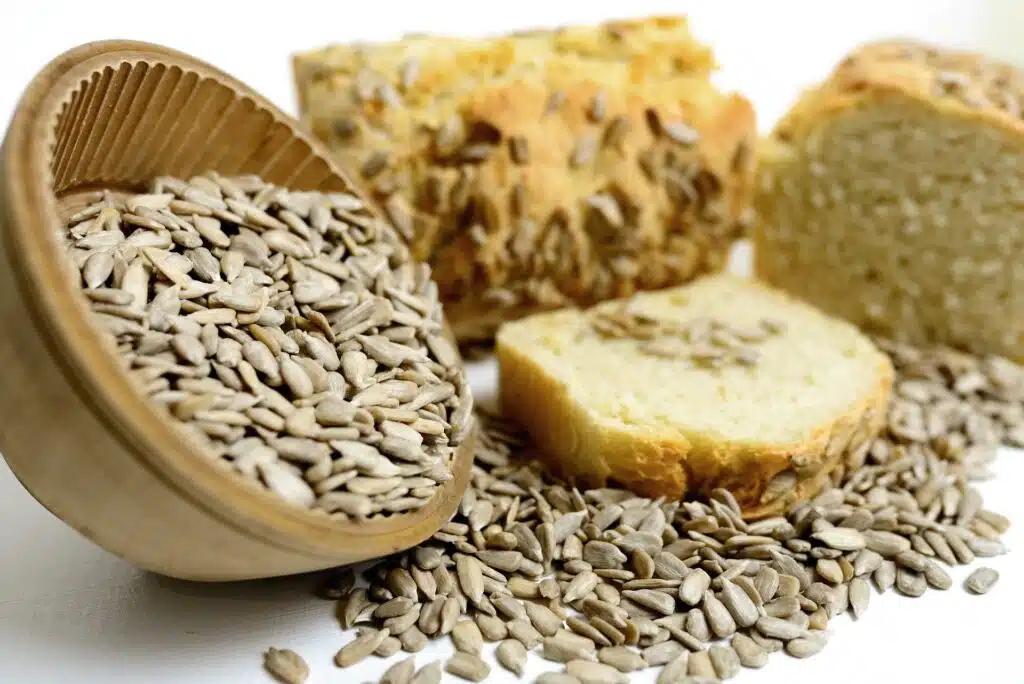
Sunflower seed de-hulling facilities represent a critical juncture in the agricultural processing chain, converting raw sunflower seeds into a consumer-ready product. These facilities operate within a highly competitive market driven by demands for consistent quality, efficient processing, and minimal seed damage. The technical position of a no-shell sunflower seed factory lies between agricultural harvesting and final food product packaging. Core performance indicators include de-hulling efficiency (percentage of seeds successfully removed from shells), kernel integrity (minimizing broken or damaged kernels), foreign material removal, and overall processing throughput. The industry faces pain points in balancing throughput with kernel quality, minimizing oil loss during processing, and maintaining hygienic conditions to prevent contamination, all while adhering to stringent food safety regulations. A key challenge is adapting processing parameters to account for variations in seed size, moisture content, and variety, impacting both de-hulling efficiency and the final product's oil content and flavor profile.
Material Science & Manufacturing
The primary raw material, sunflower seeds ( Helianthus annuus), exhibits significant variation in physical and chemical properties depending on variety, growing conditions, and maturity. Shell composition consists largely of cellulose, hemicellulose, and lignin, providing a robust protective layer. Kernel composition is dominated by lipids (40-55% oil content, primarily linoleic acid), proteins (18-25%), carbohydrates (15-20%), and minor components impacting flavor. Manufacturing begins with pre-cleaning to remove debris (stalks, leaves, stones). De-hulling is typically achieved using impact de-hullers or centrifugal de-hullers. Impact de-hullers utilize rotating abrasive surfaces to fracture the shell, while centrifugal de-hullers rely on controlled impact against a stationary surface. Key parameters include impeller speed, impact energy, and seed feed rate. Following de-hulling, separation processes utilize air classification, screening, and gravity tables to separate kernels from shells and foreign material. Shells are typically repurposed for fuel or animal feed. Kernel drying is critical to reduce moisture content to approximately 8-10% for long-term storage, employing controlled temperature and airflow. Material compatibility is crucial; stainless steel (304/316) is preferred for all food contact surfaces due to its corrosion resistance and ease of sanitation. Carbon steel is used for structural components, but must be adequately protected against corrosion. Parameter control, particularly moisture content and impact force, directly influences kernel damage and oil yield.
Performance & Engineering
The performance of a sunflower seed de-hulling facility centers on energy efficiency, mechanical reliability, and minimization of kernel damage. Force analysis during de-hulling reveals that optimal shell fracture occurs within a specific range of impact force, exceeding which leads to kernel breakage. Environmental resistance considerations include dust control (sunflower husk dust is combustible), temperature and humidity control during storage to prevent rancidity, and wastewater management from cleaning processes. Compliance requirements are governed by food safety regulations (FDA in the US, EFSA in Europe), focusing on HACCP principles, sanitation standards, and allergen control. Functional implementation involves a closed-loop control system monitoring seed flow, moisture content, and de-hulling efficiency. Vibration analysis is employed to monitor the health of rotating machinery (de-hullers, conveyors). Furthermore, the design of conveying systems minimizes kernel bruising through gentle handling and optimized belt speeds. Dust extraction systems are crucial for maintaining air quality and preventing explosions. The facility's layout should facilitate efficient material flow, minimizing back-tracking and potential contamination points. The structural integrity of the building itself must withstand the weight of stored seeds and the dynamic loads imposed by processing equipment.
Technical Specifications
| Parameter | Unit | Typical Range | Acceptable Tolerance |
|---|---|---|---|
| Seed Moisture Content (Input) | % (wet basis) | 10-14 | ±1.5% |
| De-hulling Efficiency | % | 95-98 | ±2% |
| Kernel Damage (Broken/Split Kernels) | % | ≤5 | ±1% |
| Foreign Material Content (Output) | % | ≤0.1 | ±0.05% |
| Oil Content (Kernel) | % (dry basis) | 48-54 | ±2% |
| Throughput Capacity | tons/hour | 5-20 | ±10% |
Failure Mode & Maintenance
Common failure modes in sunflower seed de-hulling facilities include fatigue cracking of de-huller components (impellers, hammers) due to repeated impact stress, bearing failures in rotating machinery (resulting from improper lubrication or excessive load), and delamination of conveyor belts. Kernel damage is often a result of improper de-huller settings (excessive impact force) or worn de-hulling surfaces. Oxidation of lipids in kernels during storage leads to rancidity, indicated by an increase in free fatty acid content and off-flavors. Preventative maintenance is critical. This includes regular lubrication of bearings, inspection of de-huller components for wear and tear, belt tension adjustment, and cleaning of dust extraction systems. Non-destructive testing (NDT) techniques such as ultrasonic testing can be used to detect cracks in de-huller components before catastrophic failure. Regular monitoring of oil content and free fatty acid levels in stored kernels is essential to detect early signs of rancidity. Corrosion of structural steel components can be mitigated through regular painting and inspection. Failure analysis should be conducted on any major component failure to identify root causes and prevent recurrence. Properly implemented maintenance schedules reduce downtime, improve operational efficiency, and ensure product quality.
Industry FAQ
Q: What is the impact of seed variety on de-hulling efficiency?
A: Seed variety significantly impacts de-hulling efficiency. Varieties with thinner shells and more uniform seed size generally exhibit higher de-hulling rates and lower kernel damage. High-oil content varieties can sometimes be more challenging to de-hull due to the softer kernel. Adjusting de-huller settings (impact force, feed rate) is necessary to optimize performance for each seed variety.
Q: How do you mitigate dust explosion hazards in a sunflower seed facility?
A: Sunflower husk dust is highly combustible. Mitigation strategies include robust dust extraction systems, grounding and bonding of equipment to prevent static electricity buildup, regular cleaning to prevent dust accumulation, and the use of explosion-proof electrical components. Proper ventilation and limiting ignition sources are also critical.
Q: What are the key considerations for long-term kernel storage?
A: Maintaining low moisture content (8-10%), controlling temperature (below 20°C), and minimizing oxygen exposure are key for long-term kernel storage. Using inert gas blanketing (nitrogen) can further reduce oxidation. Regular monitoring of oil quality (free fatty acid content, peroxide value) is essential.
Q: What are the implications of using different de-hulling technologies (impact vs. centrifugal)?
A: Impact de-hullers are generally more suitable for high-volume processing and are more tolerant of seed variations, but can result in higher kernel damage. Centrifugal de-hullers offer gentler handling and lower kernel damage, but may have lower throughput and are more sensitive to seed size variations.
Q: How can we optimize the cleaning process to minimize foreign material contamination?
A: Optimize cleaning processes through a multi-stage approach involving pre-cleaning (removal of large debris), air classification (removal of dust and light materials), screening (removal of seed fragments and shell pieces), and gravity separation (removal of heavier foreign materials). Regularly inspect and maintain cleaning equipment to ensure optimal performance.
Conclusion
Sunflower seed de-hulling facilities demand a meticulous approach to process engineering, material science, and maintenance. Optimizing de-hulling efficiency while preserving kernel integrity requires precise control over key parameters like seed moisture content, impact force, and airflow. Successful operation necessitates a comprehensive understanding of seed characteristics, failure modes, and relevant industry standards.
Looking forward, advancements in sensor technology and machine learning will likely play an increasingly important role in optimizing de-hulling processes in real-time, adapting to seed variations and maximizing yield. Further research into novel de-hulling technologies with reduced energy consumption and minimal kernel damage is also warranted. Continuous improvement in hygiene protocols and preventative maintenance programs will be critical to maintaining product quality and ensuring long-term operational reliability.
