Introduction
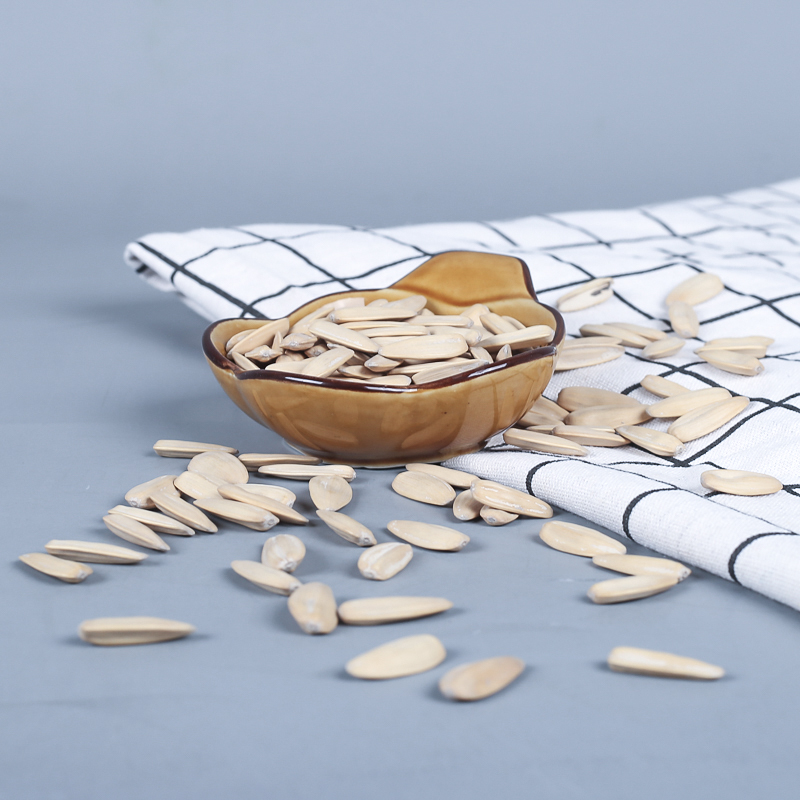
Sunflower seeds, specifically the no-shell variety, represent a significant commodity within the global agricultural export market. This technical guide details the critical aspects for exporters, focusing on seed quality, processing parameters, storage requirements, and adherence to international food safety standards. The sunflower seed industry chain begins with agronomic practices, progresses through mechanical dehulling and cleaning, and culminates in packaging and distribution for human consumption or industrial applications (oil extraction, confectionary). Core performance indicators for no-shell sunflower seeds include kernel weight, oil content, protein content, moisture levels, and the absence of foreign material. The escalating demand for healthy snack foods and plant-based proteins drives market growth, placing heightened emphasis on consistent quality and traceability. A primary industry pain point revolves around maintaining low moisture content to prevent aflatoxin development and ensuring minimal kernel damage during processing to maximize market value and minimize waste. Another key challenge is consistently meeting the diverse quality specifications of importing countries.
Material Science & Manufacturing
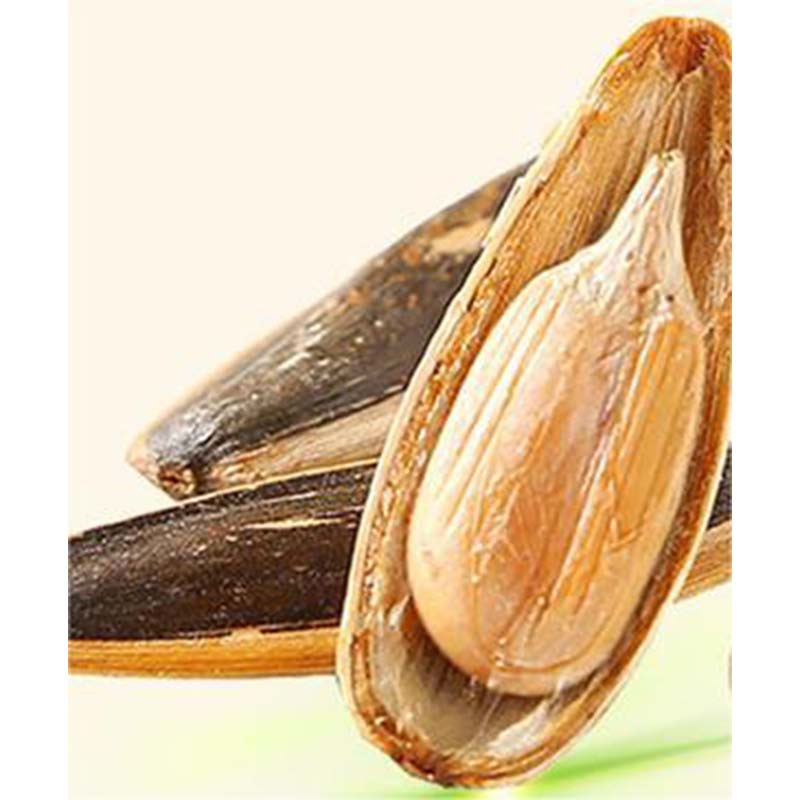
The primary material, the sunflower seed kernel, is composed of approximately 30-50% oil, 20-30% protein, 10-20% carbohydrate (primarily fiber), and 5-10% moisture. The oil is rich in linoleic acid, an essential fatty acid. Kernel hardness, determined by the protein matrix structure, directly influences processing efficiency and kernel integrity. Raw material selection focuses on high-oil-content varieties and optimal maturity indices. Manufacturing commences with harvesting, typically employing combine harvesters equipped with dehulling capabilities. However, a significant portion requires secondary dehulling. The dehulling process involves impacting the seeds against a rotating cylinder or utilizing rubber rolls to separate the kernel from the hull. Critical parameters include impact velocity, roll gap, and feed rate. Excessive impact leads to kernel damage (splits, cracks), reducing quality. Insufficient impact results in incomplete hull removal. Subsequent cleaning stages involve aspiration (removing lightweight debris), screening (separizing by size), and gravity separation (removing heavier contaminants). Color sorting, using optical sensors, is increasingly employed to remove discolored or defective kernels. Moisture control is paramount. Seeds are typically dried to 6.5-8.5% moisture content using forced-air drying systems. Drying temperature must be carefully controlled (typically below 60°C) to prevent protein denaturation and oil oxidation. Chemical compatibility considerations relate primarily to packaging materials – ensuring they are food-grade, impermeable to oxygen and moisture, and do not leach harmful compounds into the seeds.
Performance & Engineering
Performance evaluation hinges on several key metrics. Kernel hardness is quantified using a penetrometer, indicating resistance to cracking during handling and processing. Oil content is determined via Soxhlet extraction or NMR spectroscopy, influencing market pricing. Protein content, assessed by Kjeldahl method, impacts nutritional value. Moisture content, measured by oven drying, is critical for shelf life and aflatoxin prevention. Environmental resistance considerations focus on storage stability. Sunflower seeds are susceptible to oxidative rancidity, driven by unsaturated fatty acids. This is mitigated by low moisture content, airtight packaging, and storage at cool temperatures (below 20°C). Aflatoxin contamination, caused by Aspergillus fungi, is a major food safety concern. Stringent quality control measures, including pre-harvest monitoring, proper drying, and the use of antifungal treatments (where permissible by regulations), are essential. Compliance requirements vary by importing country. The EU enforces strict regulations on aflatoxin levels, pesticide residues, and heavy metal contamination. The US FDA mandates adherence to Good Manufacturing Practices (GMPs) and Hazard Analysis and Critical Control Points (HACCP) principles. Functional implementation involves optimizing dehulling and cleaning processes for maximum kernel recovery and minimal damage. Force analysis during dehulling is critical to determining optimal machine settings. Mechanical stress concentrations within the kernel must be minimized.
Technical Specifications
| Parameter | Unit | Typical Range (High Quality) | Testing Method |
|---|---|---|---|
| Kernel Weight | grams (g) | 0.5 – 0.8 g | Automated Weighing System |
| Oil Content | % (dry basis) | 48 – 58% | Soxhlet Extraction / NMR |
| Protein Content | % (dry basis) | 18 – 25% | Kjeldahl Method |
| Moisture Content | % | 6.5 – 8.5% | Oven Drying |
| Foreign Material (FM) | % | < 1.0% | Visual Inspection / Sieving |
| Broken Kernels / Splits | % | < 3.0% | Visual Inspection / Mechanical Sorting |
Failure Mode & Maintenance
Common failure modes for sunflower seeds during export include rancidity (oxidative degradation of oils), aflatoxin contamination, physical damage (cracking, splitting), and insect infestation. Rancidity is accelerated by high moisture content, exposure to oxygen, and elevated temperatures. Prevention requires proper drying, airtight packaging, and temperature-controlled storage. Aflatoxin contamination is linked to pre-harvest fungal infection and improper drying. Regular monitoring of fields and adherence to stringent drying protocols are crucial. Physical damage occurs during harvesting, dehulling, and handling. Minimizing impact forces and optimizing machine settings are essential. Insect infestation can lead to significant losses. Proper storage practices, including pest control measures and fumigation (where permissible), are necessary. Maintenance of processing equipment (dehullers, cleaners, dryers) is vital. Regular inspection and replacement of worn parts (rollers, screens, belts) ensure optimal performance and minimize kernel damage. Lubrication of moving parts reduces friction and prevents premature wear. Calibration of sensors and control systems is critical for maintaining accurate process control. Preventative maintenance schedules should be implemented to minimize downtime and maximize equipment lifespan. Proper cleaning of all equipment is vital to prevent contamination and buildup of seed debris.
Industry FAQ
Q: What is the acceptable level of aflatoxin for export to the European Union?
A: The EU has stringent regulations regarding aflatoxin levels. For sunflower seeds, the maximum permissible level of total aflatoxins (B1, B2, G1, G2) is typically 2 µg/kg (ppb). Regular testing and adherence to Good Agricultural Practices (GAP) and Good Manufacturing Practices (GMP) are essential to meet these requirements.
Q: What are the best packaging materials for maintaining seed quality during long-distance transport?
A: Multi-layer packaging is recommended. An inner layer of food-grade polyethylene (PE) or polypropylene (PP) provides a moisture barrier. An outer layer of woven polypropylene offers strength and protection from physical damage. Oxygen absorbers can be included within the packaging to minimize oxidative rancidity. Proper sealing is crucial to maintain airtight conditions.
Q: How can we minimize kernel damage during the dehulling process?
A: Optimizing dehuller settings (impact velocity, roll gap, feed rate) is crucial. Lower impact velocities generally reduce damage but may result in incomplete hull removal. Careful maintenance of dehulling equipment, including regular replacement of worn rollers and screens, is also essential. Pre-cleaning the seeds to remove foreign material can also help to reduce damage.
Q: What methods are used to determine the oil content of sunflower seeds?
A: Two primary methods are used: Soxhlet extraction and Nuclear Magnetic Resonance (NMR) spectroscopy. Soxhlet extraction is a traditional, gravimetric method that involves extracting the oil with a solvent. NMR spectroscopy is a faster, non-destructive method that provides accurate and repeatable results.
Q: What is the significance of moisture content in sunflower seed storage?
A: Moisture content is a critical factor influencing shelf life and the risk of aflatoxin contamination. High moisture content promotes fungal growth and aflatoxin production. Maintaining a moisture content of 6.5-8.5% is essential for long-term storage. Proper drying and airtight packaging are crucial for controlling moisture levels.
Conclusion
The export of no-shell sunflower seeds demands a comprehensive understanding of material science, manufacturing processes, and stringent quality control. Maintaining optimal moisture levels, minimizing kernel damage, and preventing aflatoxin contamination are paramount concerns. Adherence to international food safety standards and tailoring product specifications to meet importing country requirements are critical for success.
Continued investment in advanced processing technologies, such as optical sorting and automated quality control systems, will be essential for enhancing product quality and competitiveness. Furthermore, proactive monitoring of agronomic practices and implementation of robust traceability systems will contribute to the long-term sustainability of the sunflower seed export industry. Addressing industry pain points through focused research and development is key.
