Introduction
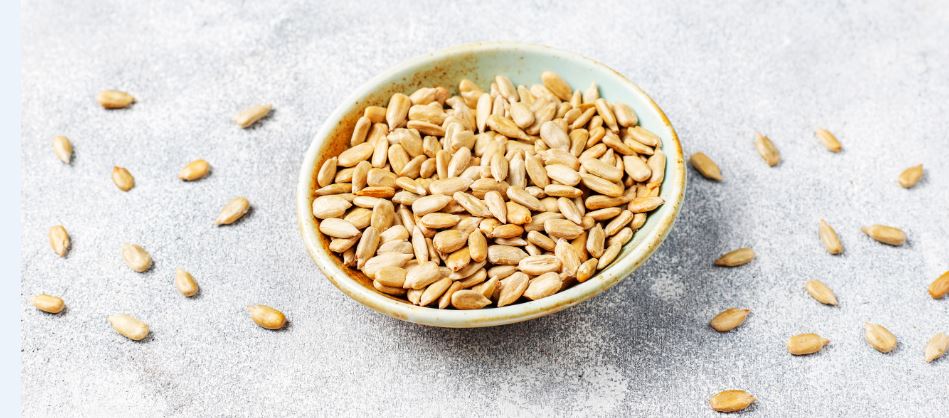
Sunflower seeds ( Helianthus annuus ) represent a significant agricultural commodity, processed by a dedicated industry encompassing cultivation, harvesting, processing, and packaging. This guide focuses on the technical aspects relevant to manufacturers involved in the production of in-shell and kernel sunflower seeds for human consumption. The industry’s position within the broader food supply chain necessitates stringent quality control, adherence to food safety regulations, and optimization of processing parameters to maximize yield and minimize waste. Core performance characteristics defining product quality include kernel content, oil content, moisture content, hull damage, foreign material content, and aflatoxin levels. Current industry pain points revolve around maintaining consistent seed quality across variable growing conditions, mitigating the risk of mycotoxin contamination, and optimizing dehulling efficiency while minimizing kernel breakage. The market demands both conventional and organic sunflower seeds, requiring manufacturers to manage separate processing lines and traceability systems.
Material Science & Manufacturing
Sunflower seeds are composed primarily of oil (35-58%), protein (18-25%), carbohydrates (10-20%), and fiber (7-15%). The hull, or pericarp, is comprised largely of cellulose and lignin, providing a protective barrier but also posing a challenge during dehulling. Kernel composition varies based on seed genotype and growing conditions, impacting oil quality (oleic vs. linoleic acid ratio) and protein digestibility. Manufacturing processes begin with harvesting, typically using combine harvesters equipped with rotating threshing mechanisms. Post-harvest, seeds undergo cleaning (removing chaff, stems, and other debris) utilizing air separators and screens. Drying is critical, employing forced-air systems to reduce moisture content from 12-14% to 8-10% for safe storage and processing. Dehulling, a central processing step, uses mechanical friction – impact dehullers, roller dehullers, or centrifugal dehullers – to separate the kernel from the hull. Parameter control is paramount; impact velocity, roll gap, and centrifugal force must be optimized based on seed size and hull strength to minimize kernel damage. Further processing includes kernel grading (size and density), surface treatment (coating for enhanced flavor or shelf life), and packaging. Chemical compatibility of materials used in processing equipment (stainless steel 304/316, food-grade polymers) with seed components is crucial to prevent contamination and maintain flavor integrity. The drying process requires careful temperature monitoring to avoid protein denaturation and lipid oxidation.
Performance & Engineering
Performance analysis centers around minimizing kernel breakage during dehulling, maximizing kernel recovery, and controlling foreign material content. Force analysis dictates optimal impact forces and roll gaps in dehulling equipment. Environmental resistance is a key consideration in storage; maintaining low humidity and temperature (below 25°C and 65% RH) prevents fungal growth and mycotoxin production. Aflatoxin contamination, specifically by Aspergillus flavus, is a major safety concern. Engineering controls include regular cleaning and disinfection of processing equipment, rigorous quality control testing for mycotoxins (ELISA tests are commonly used), and implementation of Hazard Analysis and Critical Control Points (HACCP) systems. Compliance requirements include adherence to FDA regulations (US), EFSA regulations (EU), and relevant national food safety standards. Kernel hardness, measured using a penetrometer, is a critical parameter correlating with dehulling efficiency and breakage rates. Shelling efficiency is calculated as (weight of recovered kernels / initial weight of seeds) x 100%. Optimizing airflow in drying systems requires computational fluid dynamics (CFD) modeling to ensure uniform drying and prevent localized overheating. Packaging materials (multi-layer films) are selected based on their barrier properties (oxygen transmission rate, moisture vapor transmission rate) to maintain product freshness and prevent rancidity.
Technical Specifications
| Parameter | In-Shell Seeds | Kernel Seeds | Unit |
|---|---|---|---|
| Moisture Content | ≤ 10.0 | ≤ 8.0 | % (weight) |
| Kernel Content | 55-65 | 98-99 | % (weight) |
| Oil Content (Kernel) | N/A | 42-52 | % (weight) |
| Hull Damage | ≤ 5.0 | ≤ 2.0 | % (by count) |
| Foreign Material | ≤ 1.0 | ≤ 0.5 | % (weight) |
| Aflatoxin (B1) | ≤ 2 ppb | ≤ 2 ppb | parts per billion |
Failure Mode & Maintenance
Failure modes in sunflower seed processing include: 1) Kernel breakage during dehulling: Caused by excessive impact force, improper roll gap settings, or seed variability. Maintenance involves regular inspection and adjustment of dehulling equipment. 2) Hull contamination of kernels: Results from incomplete dehulling or damaged dehulling equipment. Regular cleaning and component replacement are essential. 3) Mycotoxin contamination: Driven by fungal growth during pre-harvest or post-harvest stages. Preventive measures include proper drying, storage, and sanitation. 4) Equipment fatigue and wear: Roller bearings, impact plates, and screens are susceptible to wear and tear. Scheduled preventative maintenance, including lubrication and replacement of worn parts, is crucial. 5) Corrosion of processing equipment: Moisture and seed oils can cause corrosion of metallic components. Use of corrosion-resistant materials (stainless steel) and protective coatings is recommended. Failure analysis involves microscopic examination of broken kernels to identify the cause of breakage. Regular oil sampling and analysis can detect the onset of lipid oxidation. Aflatoxin testing should be performed at multiple stages of processing to ensure compliance with safety standards. Predictive maintenance programs, utilizing vibration analysis and thermal imaging, can identify potential equipment failures before they occur.
Industry FAQ
Q: What are the key considerations for preventing aflatoxin contamination?
A: Aflatoxin prevention requires a multi-faceted approach. This includes selecting seed varieties with inherent resistance, implementing proper pre-harvest practices (managing insect pests and drought stress), ensuring rapid and thorough drying of seeds post-harvest, maintaining sanitary processing conditions, and conducting regular aflatoxin testing throughout the entire production process. Proper storage with controlled temperature and humidity is also vital.
Q: How does seed variety impact dehulling efficiency?
A: Seed variety significantly affects hull strength and kernel shape. Varieties with thinner, more brittle hulls generally exhibit higher dehulling efficiencies but may also be more prone to kernel breakage. Kernel shape (round vs. elongated) also influences dehulling performance. Manufacturers often work closely with seed breeders to identify varieties optimized for processing.
Q: What is the optimal moisture content for long-term storage of sunflower seeds?
A: The optimal moisture content for long-term storage is typically 8-9% for both in-shell and kernel seeds. Maintaining this moisture level, coupled with proper aeration and temperature control (below 25°C), minimizes fungal growth, insect infestation, and lipid oxidation, preserving seed quality and extending shelf life.
Q: What are the common causes of kernel breakage during dehulling and how can they be mitigated?
A: Common causes of kernel breakage include excessive impact force, improper roll gap settings, seed variability in size and shape, and worn or damaged dehulling equipment. Mitigation strategies include optimizing dehulling parameters based on seed characteristics, implementing regular maintenance of equipment, and utilizing seed grading systems to reduce variability.
Q: What types of materials are typically used in the construction of sunflower seed processing equipment, and why?
A: Stainless steel (304 and 316 grades) is the predominant material used in sunflower seed processing equipment due to its corrosion resistance, durability, and hygienic properties. Food-grade polymers (polypropylene, polyethylene) are also used for components like hoppers and conveyors. The selection of materials is critical to prevent contamination and ensure compliance with food safety regulations.
Conclusion
The successful manufacture of sunflower seeds relies on a deep understanding of seed physiology, material science, and mechanical engineering principles. Optimizing processing parameters, from harvesting and drying to dehulling and packaging, is critical for maximizing yield, minimizing waste, and ensuring product safety. Maintaining consistent seed quality in the face of inherent agricultural variability requires robust quality control systems and adherence to stringent food safety standards.
Looking forward, advancements in sensor technology, artificial intelligence, and data analytics offer opportunities to further optimize sunflower seed processing. Real-time monitoring of seed quality, predictive maintenance of equipment, and automated process control can enhance efficiency and reduce costs. Continued research into seed breeding and processing technologies will be essential to meet the growing global demand for high-quality sunflower seeds.
