
Introduction
Sunflower seeds ( Helianthus annuus ) are a globally consumed agricultural product, primarily utilized as a food source for both humans and livestock. Despite common colloquial usage, from a botanical and regulatory standpoint, sunflower seeds are not classified as true nuts. True nuts, botanically defined, possess a hard shell and contain a single seed. Sunflower seeds are achenes – a type of fruit where the seed is not enclosed within a hard shell, but rather by a wall derived from the flower receptacle. This distinction is critical for allergen labeling, import/export regulations, and processing requirements within the food industry. The economic importance of sunflower seeds extends from direct consumption to the extraction of sunflower oil, a major component of the edible oil market. This guide provides a comprehensive technical analysis of sunflower seed composition, processing, quality control, potential failure modes, and relevant industry standards.
Material Science & Manufacturing
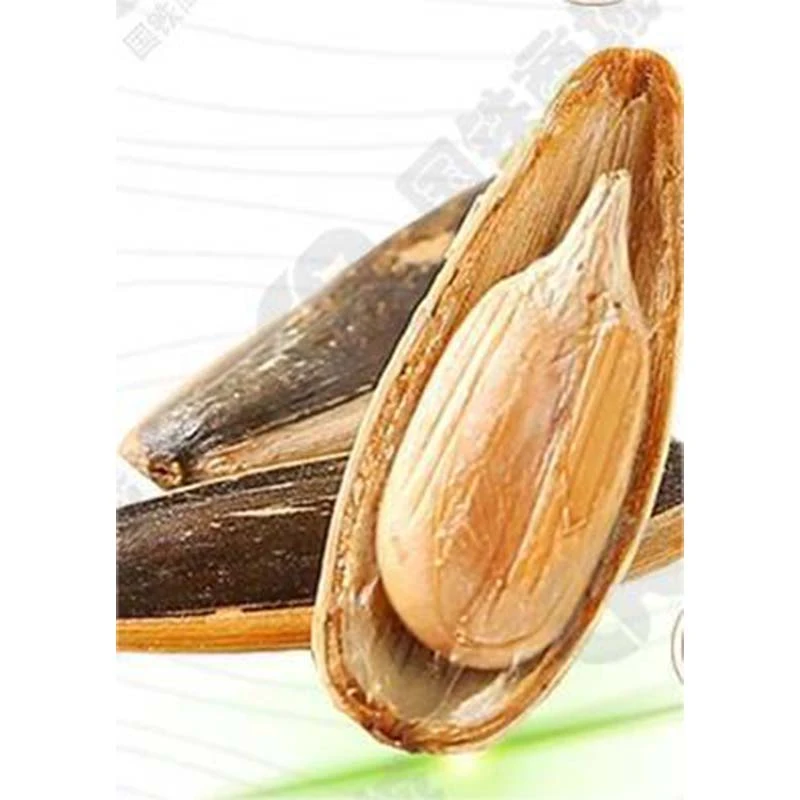
Sunflower seeds are composed primarily of an oil-rich kernel (approximately 40-50% by weight), protein (18-25%), carbohydrates (10-20%), fiber (5-10%), and moisture (8-12%). The kernel’s oil is characterized by a high proportion of linoleic acid (ω-6 polyunsaturated fatty acid), oleic acid (ω-9 monounsaturated fatty acid), and palmitic acid (saturated fatty acid). The hull, or husk, is composed largely of cellulose and lignin, providing structural integrity. Manufacturing begins with field cultivation and harvesting, followed by dehulling (removing the hull) and often, drying to reduce moisture content for storage stability. Dehulling is typically achieved mechanically using impact or friction-based systems. Critical parameters during dehulling include impact force, rotational speed, and gap adjustment to minimize kernel damage. Subsequent grading based on size and density is crucial for consistent oil extraction. Oil extraction is predominantly performed through mechanical pressing (expelling) or solvent extraction (typically using hexane). Solvent extraction yields higher oil recovery but requires rigorous solvent removal processes to meet food safety standards. Kernel roasting is a common pre-processing step for direct consumption, influencing flavor development through Maillard reactions and impacting oil oxidation rates. Careful control of roasting temperature and duration (typically between 120-180°C for 15-30 minutes) is paramount to avoid lipid peroxidation and acrylamide formation.
Performance & Engineering
The engineering performance of sunflower seeds, from a processing standpoint, centers on minimizing fracture and maximizing oil yield. Kernel compressive strength is a key parameter, influenced by moisture content and maturity. Lower moisture content generally increases compressive strength, making dehulling more difficult but improving storage stability. Hull strength is also critical; brittle hulls fracture readily during dehulling, but excessively strong hulls can cause kernel damage. During oil extraction, the efficiency of the press or solvent recovery system directly impacts yield. Pressing involves applying significant force to rupture the oil bodies within the kernel; the force required is dictated by kernel density and oil content. Solvent extraction relies on diffusion of the solvent into the kernel, governed by Fick’s laws of diffusion. Environmental resistance concerns primarily revolve around lipid oxidation. Sunflower oil is susceptible to rancidity due to oxidation of unsaturated fatty acids, accelerated by exposure to oxygen, light, and heat. Packaging materials with low oxygen transmission rates (OTR) and UV protection are essential to maintain product quality. Furthermore, the seeds must adhere to regulations regarding aflatoxin contamination, a fungal metabolite with significant health implications. Regular testing and implementation of Good Agricultural Practices (GAP) are necessary for compliance.
Technical Specifications
| Parameter | Unit | Typical Value (Dehulled Kernel) | Standard Deviation |
|---|---|---|---|
| Oil Content | % (Dry Weight Basis) | 50-58 | 3-5 |
| Protein Content | % (Dry Weight Basis) | 18-24 | 2-3 |
| Moisture Content (Storage) | % | < 8 | 0.5-1.0 |
| Linoleic Acid (C18:2) | % of Total Fatty Acids | 55-70 | 3-7 |
| Oleic Acid (C18:1) | % of Total Fatty Acids | 15-40 | 5-10 |
| Aflatoxin B1 (Maximum Allowable) | ppb | < 20 | N/A (Regulatory Limit) |
Failure Mode & Maintenance
Failure modes in sunflower seeds encompass both quality degradation and physical damage. Lipid oxidation, as previously noted, leads to rancidity, evidenced by off-flavors and reduced nutritional value. Mitigation requires proper storage conditions (cool, dark, airtight containers) and antioxidant addition during processing. Kernel cracking during dehulling or handling results in yield loss and increased fines (small particles). This can be addressed by optimizing equipment settings and implementing gentle handling procedures. Microbial contamination, particularly with molds producing aflatoxins, is a significant concern. Preventative measures include proper drying, sanitation, and storage practices. Husk contamination in dehulled kernels affects product appearance and processing efficiency. Effective dehulling and grading systems are essential to minimize this. For storage, a primary failure mode is insect infestation. Maintaining low moisture content and using appropriate storage facilities (sealed silos, insect-proof containers) are crucial. Maintenance of processing equipment (dehullers, presses, solvent extraction systems) involves regular inspection, lubrication, and replacement of worn parts to ensure optimal performance and minimize seed damage. Periodic cleaning and sanitation are critical to prevent microbial contamination.
Industry FAQ
Q: What is the primary difference between sunflower seed oil and other vegetable oils regarding oxidative stability?
A: Sunflower seed oil, particularly varieties high in linoleic acid, exhibits lower oxidative stability compared to oils richer in oleic acid, like olive oil or high-oleic sunflower oil. The double bonds in linoleic acid are more susceptible to oxidation. This necessitates the use of antioxidants and careful control of storage conditions to prevent rancidity. High-oleic sunflower oil, however, offers improved oxidative stability due to its higher oleic acid content.
Q: How does moisture content affect the efficiency of solvent extraction of sunflower oil?
A: Higher moisture content in sunflower kernels reduces the efficiency of solvent extraction. Water competes with the solvent for access to the oil bodies, hindering diffusion. Furthermore, water can promote hydrolysis of triglycerides, reducing oil yield and increasing free fatty acid content. Optimal moisture content for solvent extraction is typically between 8-10%.
Q: What are the regulatory implications of classifying sunflower seeds as an allergen?
A: While sunflower seeds are not among the "Big 8" allergens, they are increasingly recognized as a potential allergen. Therefore, manufacturers must comply with allergen labeling regulations, clearly indicating the presence of sunflower seeds in their products. This is crucial for consumer safety and avoiding liability.
Q: What quality control parameters are most critical for ensuring the safety of sunflower seeds intended for human consumption?
A: Critical parameters include aflatoxin levels, moisture content, oil quality (peroxide value, acid value), and freedom from foreign material. Regular testing for aflatoxins is mandatory in many regions. Moisture content control prevents mold growth and ensures optimal storage stability. Oil quality parameters indicate the degree of oxidation and overall freshness.
Q: How does the roasting process impact the nutritional profile and shelf life of sunflower seeds?
A: Roasting enhances flavor and improves texture, but it can also reduce the content of certain heat-sensitive nutrients, such as polyunsaturated fatty acids. Roasting also accelerates lipid oxidation, reducing shelf life unless coupled with appropriate packaging. Careful control of roasting temperature and duration is crucial to balance flavor development with nutritional preservation and shelf stability.
Conclusion
Sunflower seeds, while often casually grouped with nuts, possess a distinct botanical classification as achenes. Understanding this distinction is critical for accurate labeling, regulatory compliance, and optimized processing. The quality and yield of sunflower seeds are intrinsically linked to precise control of material properties – from kernel compressive strength and hull integrity to oil content and moisture levels – throughout the entire production chain. Maintaining low moisture content and protecting against lipid oxidation are paramount for preserving product quality and extending shelf life.
Future research should focus on developing sunflower varieties with enhanced oxidative stability through genetic modification or breeding programs. Optimizing dehulling and oil extraction technologies to minimize kernel damage and maximize yield remains a priority. Furthermore, exploring novel packaging materials with improved barrier properties will be essential for maintaining product freshness and reducing food waste.
