Introduction
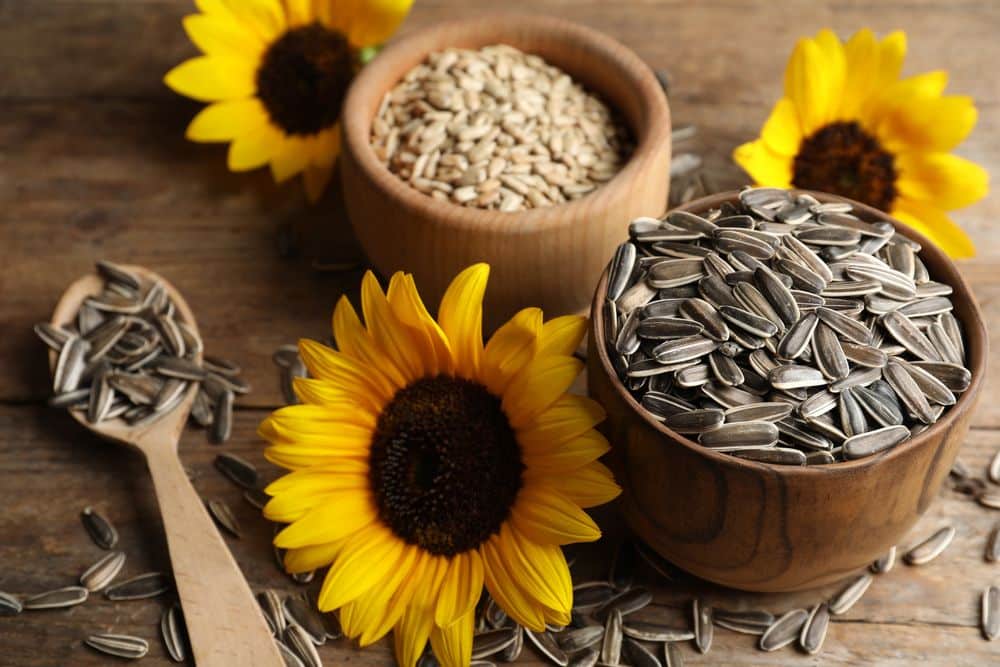
Sunflower seeds, botanically classified as the fruit of the Helianthus annuus plant, frequently arise in discussions concerning allergen labeling and dietary restrictions, specifically those pertaining to nut allergies. This technical guide investigates the classification of sunflower seeds, differentiating them from true nuts, outlining their composition and manufacturing considerations, and addressing associated industry concerns. The core performance characteristics under consideration revolve around allergenicity, compositional analysis for food safety, and the implications for regulatory compliance. Misidentification can lead to severe allergic reactions, making precise categorization crucial for food manufacturers, regulatory bodies, and consumer safety. Understanding the seed’s biochemical profile and processing methods is paramount to establishing accurate labeling practices and mitigating potential risks within the food supply chain.
Material Science & Manufacturing
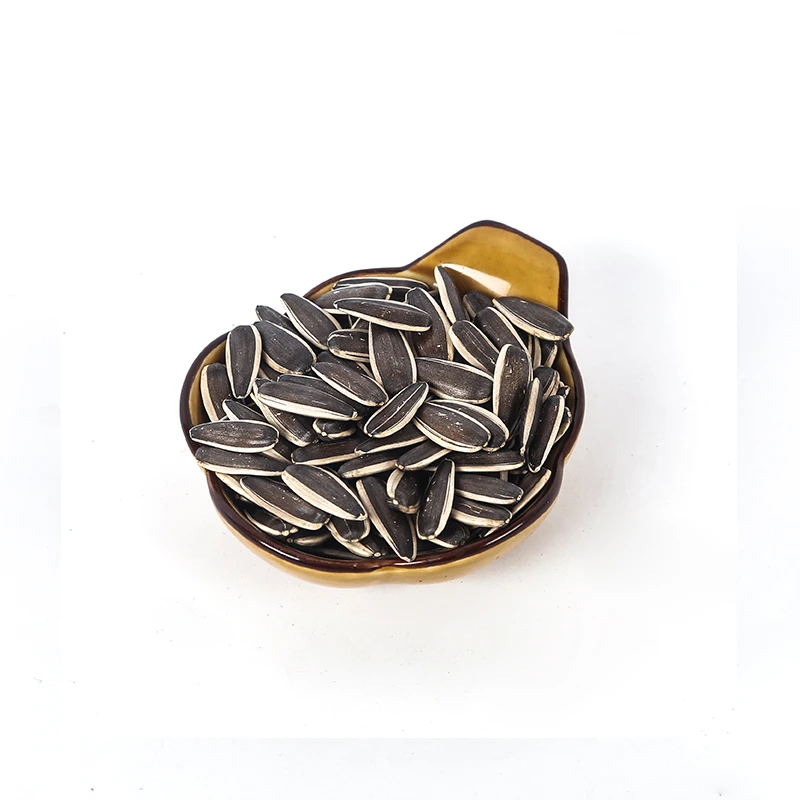
Sunflower seeds consist of a hull (pericarp), kernel, and an oil-rich endosperm. The hull's primary composition is cellulose and lignin, providing structural integrity. The kernel comprises approximately 50-65% oil, mainly linoleic acid (omega-6) and oleic acid (omega-9), with proteins, carbohydrates, fiber, and trace minerals constituting the remaining components. Manufacturing processes vary. “In-shell” seeds require minimal processing beyond harvesting, cleaning, and drying to approximately 8-10% moisture content to prevent mold growth. “Kernelled” seeds undergo dehulling, cleaning, sizing, and often roasting or seasoning. Roasting, typically at 120-180°C, develops flavor and reduces moisture. Key parameter control focuses on maintaining oil quality – minimizing oxidation through temperature control and nitrogen blanketing during processing. Quality control includes assessment of peroxide value, free fatty acid content, and oil stability index (OSI). Seed variety (confectionary vs. oilseed) significantly impacts kernel size, oil content, and hull adherence, influencing process efficiency and final product characteristics. Moisture content control is critical as it directly affects seed viability during storage and susceptibility to aflatoxin contamination.
Performance & Engineering
The primary engineering consideration regarding sunflower seeds is their allergenicity. While not botanically nuts, they are frequently processed in facilities handling tree nuts and peanuts, leading to potential cross-contamination. Allergen analysis utilizing ELISA (Enzyme-Linked Immunosorbent Assay) is crucial for verifying the absence of nut proteins. Force analysis is relevant in dehulling and shelling operations, optimizing machine parameters to minimize kernel damage. Environmental resistance considerations involve storage conditions – low temperature (below 15°C) and low humidity (<65%) are critical to prevent rancidity and insect infestation. Compliance requirements include adherence to FDA regulations concerning allergen labeling (Food Allergen Labeling and Consumer Protection Act – FALCPA) and the implementation of HACCP (Hazard Analysis and Critical Control Points) plans to ensure food safety. The physical properties of the kernel, such as its shear strength and fracture toughness, dictate the optimal parameters for roasting and packaging to avoid breakage and maintain quality. Furthermore, the oil content influences the shelf life and susceptibility to oxidative degradation.
Technical Specifications
| Parameter | Sunflower Seeds (Kernel) | Peanuts (Kernel) | Almonds (Kernel) | Walnuts (Kernel) |
|---|---|---|---|---|
| Botanical Classification | Seed (Asteraceae Family) | Legume | Drupe | Drupe |
| Oil Content (% by weight) | 50-65 | 49-55 | 45-55 | 60-70 |
| Protein Content (% by weight) | 20-25 | 25-30 | 20-25 | 14-18 |
| Major Fatty Acid | Linoleic Acid (Omega-6) | Oleic Acid (Omega-9) | Oleic Acid (Omega-9) | Linoleic Acid (Omega-6) |
| Allergen Profile | Sunflower Seed Allergens (e.g., Sun p 1) | Ara h 1, Ara h 2, Ara h 3 | Amy g 1, Amy g 2 | Jug r 1, Jug r 2 |
| Moisture Content (%) | 8-10 (Optimal Storage) | 8-10 (Optimal Storage) | 5-7 (Optimal Storage) | 8-12 (Optimal Storage) |
Failure Mode & Maintenance
Sunflower seeds are susceptible to several failure modes during processing and storage. Rancidity, caused by lipid oxidation, is a primary concern, resulting in off-flavors and reduced nutritional value. This is accelerated by exposure to oxygen, light, and heat. Aflatoxin contamination, a mycotoxin produced by Aspergillus molds, poses a serious health risk. Proper drying, storage, and sanitation are critical preventative measures. Mechanical damage during dehulling and shelling can lead to kernel breakage and dust formation, reducing quality and increasing waste. Hull fragments can also contribute to off-flavors. In storage, insect infestation is a common problem. Maintaining low temperatures and utilizing inert gas atmospheres can mitigate this. Maintenance of processing equipment – regular cleaning, lubrication, and inspection – is crucial to prevent contamination and ensure optimal performance. Regular monitoring of peroxide value and free fatty acid content serves as an early warning system for lipid oxidation. Proper facility design and segregation of allergen zones are essential to prevent cross-contamination with tree nuts and peanuts.
Industry FAQ
Q: What is the primary difference between a true nut and a sunflower seed from a botanical perspective?
A: True nuts, like hazelnuts and acorns, are characterized by a hard, woody shell enclosing a single seed. Sunflower seeds are technically achenes – a type of dry fruit where the seed is not enclosed within a hard shell, but rather within a pericarp (hull) that is fused to the seed coat. Botanically, sunflower seeds are seeds derived from the sunflower flower head, and belong to the Asteraceae family.
Q: How does cross-contamination with tree nuts impact labeling requirements for sunflower seeds?
A: Even though sunflower seeds aren't nuts, if they're processed in a facility that also handles tree nuts or peanuts, the packaging must include a “may contain” statement regarding those allergens, as per FALCPA regulations. This is to protect consumers with severe nut allergies. Thorough cleaning and validation of allergen control programs are essential.
Q: What analytical techniques are used to determine the presence of sunflower seed allergens?
A: Enzyme-Linked Immunosorbent Assay (ELISA) is the primary method for quantifying sunflower seed allergens (e.g., Sun p 1). Mass spectrometry-based proteomics can also be employed for more comprehensive allergen identification and quantification. Validation of these methods is crucial for ensuring accuracy and reliability.
Q: What storage conditions are optimal for maintaining the quality and safety of sunflower seeds?
A: Ideal storage conditions involve temperatures below 15°C (59°F) and relative humidity below 65%. Seeds should be stored in airtight containers to minimize exposure to oxygen and moisture. Regular monitoring for signs of insect infestation and mold growth is recommended. Nitrogen flushing of storage containers can further reduce oxidation.
Q: How does the oil content of sunflower seeds affect their shelf life and susceptibility to rancidity?
A: The high oil content (50-65%) makes sunflower seeds susceptible to lipid oxidation, leading to rancidity. Unsaturated fatty acids, prevalent in sunflower oil, are particularly prone to oxidation. Antioxidants can be added to slow down oxidation, but proper storage conditions are paramount to extend shelf life. Monitoring peroxide value is a key indicator of rancidity development.
Conclusion
Sunflower seeds are not botanically classified as nuts, yet their frequent processing alongside nuts and potential for allergenicity necessitates rigorous quality control and accurate labeling. Understanding the seed's compositional elements – oil content, protein structure, and carbohydrate profile – informs optimal manufacturing processes and storage conditions. The risk of cross-contamination, combined with the inherent susceptibility of unsaturated oils to oxidation, underscores the importance of stringent adherence to food safety regulations and best practices.
Effective allergen management, proactive monitoring for spoilage indicators (peroxide value, aflatoxin levels), and robust facility sanitation protocols are essential for ensuring consumer safety and maintaining product integrity. Continued research into sunflower seed allergen profiles and the development of more sensitive detection methods will further refine industry standards and mitigate potential risks.
