Introduction
Sunflower seeds ( Helianthus annuus), as a component supplied to the floral industry, represent a critical element in avian nutrition and decorative arrangements. While commonly perceived as a food source, their role within floristry extends to providing naturalistic accents in bouquets, creating foraging opportunities for aviary displays, and serving as a biodegradable substrate component. This technical guide details the material science, manufacturing considerations, performance characteristics, potential failure modes, and industry standards applicable to sunflower seeds specifically supplied for floral arrangements and aviary provisions, differentiating this application from the food-grade seed market. The key performance indicators (KPIs) for this sector include germination rate (for decorative purposes), oil content (affecting palatability for birds), hull integrity (affecting handling and aesthetic appeal), and microbiological stability (critical for both avian health and floral presentation). This guide aims to address the core pain points of flower suppliers regarding consistent quality, long-term storage, and meeting increasingly stringent biosecurity regulations.
Material Science & Manufacturing
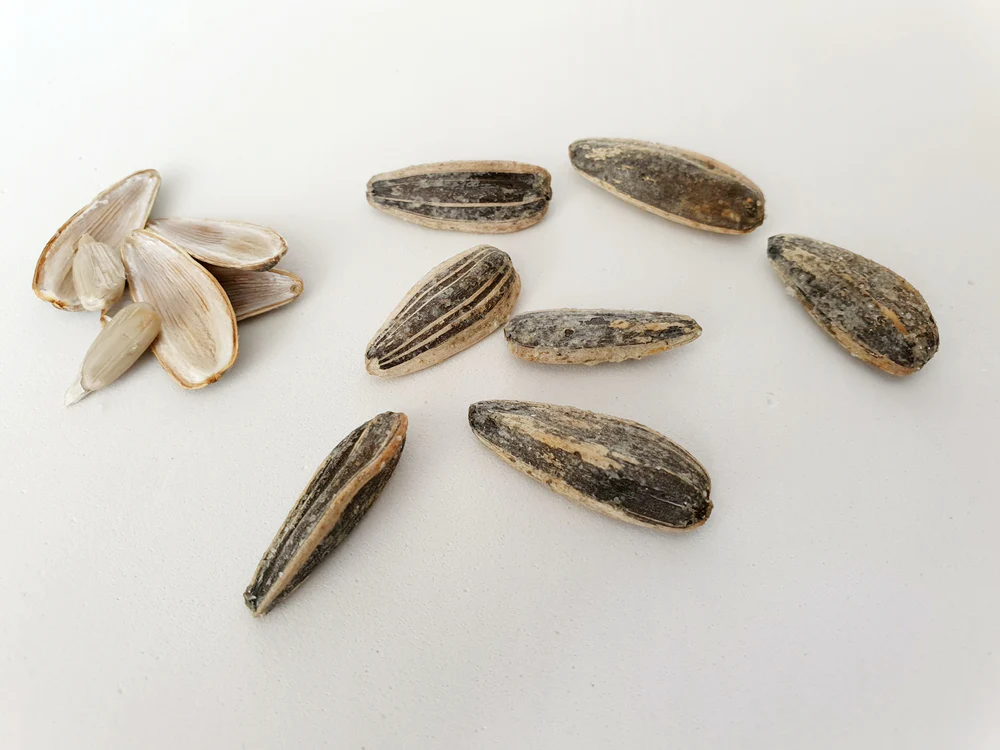
Sunflower seeds are comprised of three primary components: the hull (pericarp), the kernel (cotyledon), and the embryonic root. The hull, typically 30-40% of the seed’s weight, is composed primarily of cellulose and lignin, providing structural integrity. Its color varies from white to grey to black depending on cultivar and processing. The kernel, representing 60-70% of the seed’s mass, is rich in lipids (40-50%), proteins (20-25%), and carbohydrates (10-15%). The oil content is dominated by linoleic acid (omega-6) and oleic acid (omega-9). Manufacturing processes begin with field cultivation and harvesting. Critical parameters include the timing of harvest (moisture content of the seed head – ideally around 20-25%), drying methods (air drying vs. mechanical drying – the latter requiring precise temperature control to prevent denaturation of proteins and oxidation of oils), and dehulling techniques (mechanical dehulling introduces kernel breakage, impacting visual quality). Seed grading is crucial, separating seeds by size and weight to ensure uniformity. Seed treatment with fungicides is common to prevent mold growth during storage, but must comply with regulatory limits for floral applications. Varietal selection significantly impacts oil profile, hull thickness, and resistance to fungal infection. Storage conditions – temperature (below 15°C) and humidity (below 60%) – are paramount for maintaining seed viability and preventing rancidity.
Performance & Engineering
The performance of sunflower seeds in floral applications is tied to several key engineering principles. Hull integrity directly influences resistance to impact and abrasion during handling and transportation. Force analysis reveals that a thicker hull provides greater protection against kernel damage, but may also reduce the seed's aesthetic appeal in decorative arrangements. Environmental resistance considerations are substantial. Exposure to moisture promotes fungal growth ( Aspergillus and Penicillium are common contaminants), leading to mycotoxin production, posing a risk to avian consumers. UV exposure degrades lipids, resulting in rancidity and diminished nutritional value. Furthermore, the seeds’ weight distribution impacts their positioning within arrangements, influencing overall structural stability. Compliance requirements are driven by biosecurity regulations, particularly concerning the prevention of invasive species. Seeds must be sourced from certified suppliers and undergo rigorous inspection to ensure they are free from weed seeds or plant pathogens. For aviary applications, assessment of heavy metal content (lead, cadmium, arsenic) is critical, adhering to permissible limits established by veterinary health authorities. The biodegradability of the hull is advantageous from an environmental perspective, but the rate of decomposition is affected by temperature, humidity, and microbial activity.
Technical Specifications
| Parameter | Unit | Typical Range (Floral Grade) | Test Method |
|---|---|---|---|
| Kernel Moisture Content | % | 8-10 | Oven Drying (ASTM D2491) |
| Oil Content (Kernel) | % | 45-55 | Soxhlet Extraction (AOAC 920.39) |
| Hull Integrity (Broken Kernels) | % | <5 | Visual Inspection (ISTA 7-2000) |
| Germination Rate | % | >80 (for decorative use) | ISTA Germination Test |
| Mycotoxin Levels (Aflatoxin) | ppb | <20 | ELISA (Enzyme-Linked Immunosorbent Assay) |
| Heavy Metal Content (Lead) | ppm | <2 | ICP-MS (Inductively Coupled Plasma Mass Spectrometry) |
Failure Mode & Maintenance
Sunflower seeds are susceptible to several failure modes. Rancidity, caused by lipid oxidation, manifests as an off-flavor and odor, rendering the seeds unsuitable for avian consumption and diminishing their aesthetic appeal. Prevention requires storage in airtight containers, shielded from light and heat. Fungal contamination is a significant concern, leading to mycotoxin production. Visible mold growth indicates advanced contamination, but mycotoxins can be present even in the absence of visible mold. Kernel cracking reduces the seed’s structural integrity and increases its susceptibility to moisture absorption. This is often a consequence of improper handling or excessive force during dehulling. Insect infestation (e.g., weevils) can quickly decimate a seed batch. Preventative measures include storing seeds in a cool, dry environment and using insecticidal treatments approved for floral applications. Maintenance primarily involves proper storage conditions. Regular inspection for signs of mold, insect activity, or rancidity is crucial. First-in, first-out (FIFO) inventory management minimizes the risk of prolonged storage and degradation. For large-scale suppliers, controlled atmosphere storage (reducing oxygen levels) can significantly extend shelf life.
Industry FAQ
Q: What is the optimal storage temperature and humidity for maintaining sunflower seed quality for floral use?
A: The optimal storage conditions are a temperature below 15°C (59°F) and a relative humidity below 60%. These parameters minimize lipid oxidation, fungal growth, and insect activity. Consistent monitoring of temperature and humidity is essential, especially during warmer months.
Q: How do you ensure the sunflower seeds are free from invasive weed seeds?
A: We employ a multi-stage screening process. Initially, seeds are sourced from certified growers who adhere to strict weed control protocols. Subsequently, the seeds undergo rigorous cleaning and sorting using a combination of mechanical sieving, air separation, and visual inspection. A representative sample is then analyzed for weed seed content using standardized seed identification keys.
Q: What are the acceptable limits for mycotoxin contamination in sunflower seeds intended for aviary use?
A: Acceptable limits vary depending on regional regulations. However, a general guideline is less than 20 ppb (parts per billion) for Aflatoxin B1, as determined by ELISA testing. We adhere to the strictest regulatory standards applicable to the destination market.
Q: Can sunflower seeds be treated with fungicides to prevent mold growth, and if so, what are the regulatory considerations?
A: Yes, sunflower seeds can be treated with approved fungicides. However, the type of fungicide and application rate must comply with the regulations of the importing country. We utilize fungicides approved for use on seeds intended for animal consumption, ensuring they are within permissible residue limits.
Q: How does the oil content of the sunflower seeds affect their suitability for different floral applications?
A: Higher oil content generally increases the palatability of the seeds for birds in aviary displays. However, a high oil content also makes the seeds more susceptible to rancidity if not stored properly. For purely decorative applications, oil content is less critical, but kernel integrity and visual appearance are paramount.
Conclusion
Sunflower seeds provided to the floral industry are a complex material demanding meticulous attention to detail throughout the supply chain. Understanding the interplay between material science, manufacturing processes, and performance characteristics is critical for delivering a consistently high-quality product. The inherent vulnerability of seeds to degradation – from lipid oxidation and fungal contamination to physical damage – necessitates robust quality control measures, encompassing rigorous sourcing, careful processing, and optimized storage conditions.
Looking ahead, advancements in seed coating technologies offer potential for enhancing protection against environmental factors and extending shelf life. Further research into varietal selection focused on improved hull strength and fungal resistance will also contribute to greater product reliability. Adherence to evolving biosecurity regulations and a commitment to sustainable sourcing practices will remain paramount for ensuring the long-term viability of this sector.
