
Introduction
Sunflower seeds, utilized within the floral industry, represent a niche but growing segment within the broader agricultural product supply chain. Their application extends beyond direct consumption, functioning as a decorative element in floral arrangements, event centerpieces, and avian feeding products integrated with floral displays. The technical position of these seeds resides at the intersection of agricultural processing, aesthetic design, and specialized packaging requirements. Core performance characteristics center on seed viability (for avian products), aesthetic uniformity (color, size, absence of defects), and resistance to degradation during handling, display, and potential environmental exposure. A primary industry pain point revolves around maintaining seed quality – preventing premature sprouting, mold growth, and insect infestation – while ensuring consistent visual appeal and adherence to phytosanitary regulations.
Material Science & Manufacturing
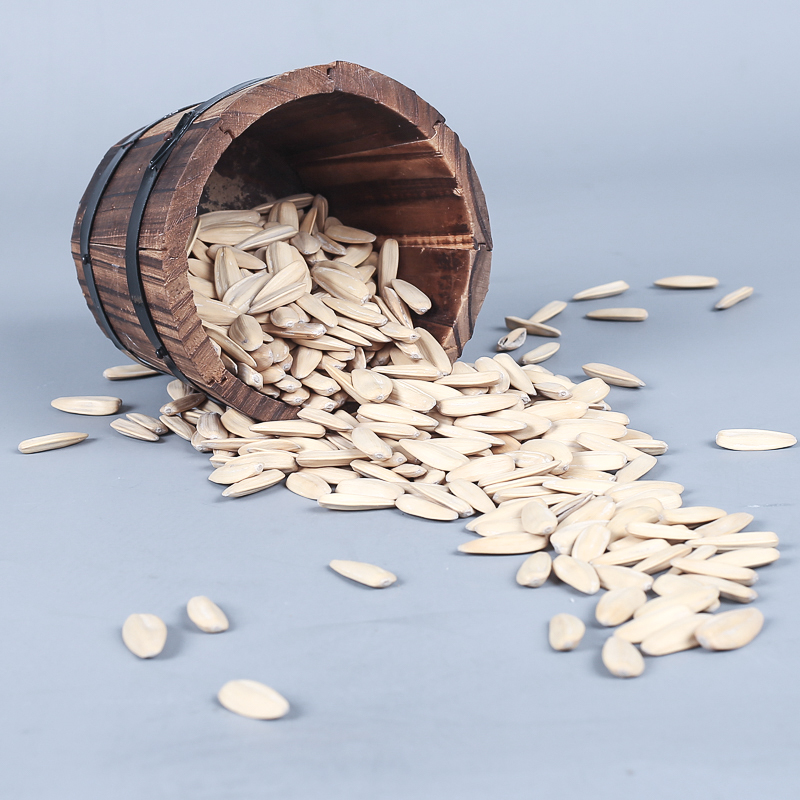
Sunflower seeds ( Helianthus annuus ) are comprised of approximately 35-45% oil, 20-30% protein, 15-20% carbohydrate (primarily cellulose in the hull), and 5-10% moisture. The hull, or pericarp, is primarily cellulose and lignin, providing structural rigidity. Oil composition varies by cultivar, influencing stability and susceptibility to oxidation. Manufacturing begins with harvesting and drying to a standardized moisture content (typically 8-10%) to inhibit microbial growth. Processing involves dehulling (removing the outer shell – optional, depending on the final product), grading by size and density (using screens and air classifiers), and polishing to enhance aesthetic appeal. Coatings, often polymeric (acrylic or epoxy based), are applied to enhance color vibrancy, gloss, and protective properties. Parameter control during drying is critical; excessively high temperatures can denature proteins and reduce germination rates. Coating thickness and uniformity impact both aesthetic quality and the longevity of the visual finish. The manufacturing process must adhere to strict cleaning protocols to eliminate foreign material and maintain seed purity. Seed sterilization, often employing gamma irradiation or chemical treatments, is employed for avian feeding applications to eliminate salmonella and other pathogens. Storage conditions – temperature, humidity, and ventilation – are vital in preserving seed viability and preventing degradation.
Performance & Engineering
Performance assessment focuses on several key areas. Force analysis, relevant to handling and packaging, considers seed impact resistance and compressive strength to minimize cracking and breakage. Environmental resistance is paramount; exposure to UV radiation can cause fading of coatings and degradation of oils. Moisture absorption leads to mold growth and reduced aesthetic quality. Compliance requirements depend on the intended application. Avian feeding products are subject to regulations from organizations like the FDA (Food and Drug Administration) concerning aflatoxin levels and pathogen control. Floral applications may require adherence to phytosanitary standards to prevent the introduction of invasive species. Engineering considerations include packaging design to minimize seed damage during transit and storage. Packaging materials must provide a barrier against moisture and oxygen. The selection of coating materials impacts scratch resistance and long-term color stability. Finite Element Analysis (FEA) can be used to optimize packaging designs for impact resistance. Shelf-life studies, conducted under controlled temperature and humidity conditions, determine the expected degradation rate and define optimal storage guidelines. The thermal expansion coefficient of the seed material must be considered when designing applications involving temperature fluctuations.
Technical Specifications
| Parameter | Unit | Typical Value | Test Method |
|---|---|---|---|
| Moisture Content | % | 8-10 | ASTM D4305 |
| Oil Content | % | 38-45 | AOAC 986.31 |
| Seed Size (Diameter) | mm | 6-10 | Visual Sorting/Sieve Analysis |
| Hull Strength (Compression) | MPa | 2.5-4.0 | ASTM D695 |
| Coating Thickness | µm | 20-50 | Microscopy |
| Aflatoxin Level | ppb | <20 | HPLC (High-Performance Liquid Chromatography) |
Failure Mode & Maintenance
Common failure modes include: 1) Sprouting: Premature germination due to excessive moisture or temperature fluctuations. Mitigation: Strict moisture control during storage and transportation. 2) Mold Growth: Resulting from high humidity and the presence of organic contaminants. Mitigation: Proper sanitation, low-humidity storage, and the use of antifungal coatings. 3) Insect Infestation: Seeds can attract pests, leading to damage and contamination. Mitigation: Insecticide treatment (where permitted), hermetically sealed packaging, and temperature control. 4) Coating Degradation: UV exposure, abrasion, and chemical reactions can cause coating fading, cracking, and loss of gloss. Mitigation: UV-resistant coatings, protective packaging, and appropriate handling procedures. 5) Fatigue Cracking: Repeated handling can cause cracks in the seed hull. Mitigation: Gentle handling procedures, cushioning in packaging. 6) Oxidation: Unsaturated fats in the seed oil can oxidize, leading to rancidity. Mitigation: Antioxidant coatings, oxygen-barrier packaging. Maintenance involves regular inspection of stored seeds for signs of infestation, mold, or sprouting. Proper ventilation and temperature control are crucial. Damaged or contaminated seeds should be removed immediately.
Industry FAQ
Q: What is the impact of seed oil content on coating adhesion?
A: Higher oil content can sometimes reduce coating adhesion, as the oil can migrate to the surface and interfere with the coating's bonding. Therefore, coatings formulated for high-oil-content seeds often incorporate adhesion promoters and primers.
Q: How do different coating types affect UV resistance?
A: Acrylic coatings generally offer moderate UV resistance, while epoxy-based coatings and those containing UV absorbers provide superior protection against fading and degradation caused by prolonged sunlight exposure.
Q: What are the key considerations for packaging sunflower seeds intended for avian consumption?
A: Packaging must prevent moisture ingress, protect against insect infestation, and comply with FDA regulations regarding food-grade materials. Hermetically sealed pouches or rigid containers with secure closures are recommended.
Q: What analytical methods are used to determine seed viability after coating?
A: Germination tests are the primary method for assessing seed viability. These involve subjecting a sample of coated seeds to optimal germination conditions and monitoring the percentage that successfully sprout.
Q: Can the color of sunflower seeds affect their perceived quality in floral arrangements?
A: Absolutely. Color uniformity and vibrancy are critical aesthetic factors. Seed grading and the use of consistent coating techniques are employed to ensure a visually appealing product.
Conclusion
Sunflower seeds integrated into floral products represent a complex interplay of agricultural science, material engineering, and aesthetic demands. Ensuring consistent quality necessitates meticulous control throughout the manufacturing process – from harvesting and drying to coating application and packaging. Understanding the inherent material properties of the seed, coupled with the impact of environmental factors, is essential for mitigating potential failure modes such as sprouting, mold growth, and coating degradation.
Future advancements may focus on the development of biodegradable coating materials and innovative packaging solutions that enhance sustainability and minimize environmental impact. Further research into seed genetics to optimize oil content and hull strength could also lead to improved product performance and longevity. A continued emphasis on rigorous quality control and adherence to relevant regulatory standards remains paramount for maintaining consumer confidence and ensuring the safe and aesthetically pleasing utilization of sunflower seeds in the floral industry.
