Introduction
Sunflower seeds integrated into floral arrangements represent a niche but growing segment within the horticultural and event industries. This guide details the technical aspects of utilizing Helianthus annuus seeds, not merely as a decorative element, but as an engineered component impacting structural integrity, longevity, and bio-compatibility within the floral product. These seeds, when incorporated, transition from a biological material to a functional element requiring analysis of moisture content, adhesion properties, shell integrity, and potential for biological activity within the floral foam or substrate. The primary industry pain point lies in ensuring consistent seed quality, minimizing premature germination or degradation, and maintaining aesthetic appeal throughout the product lifecycle. This document provides a comprehensive overview of material science, manufacturing considerations, performance characteristics, failure modes, and relevant standards for sunflower seeds used within floral product design.
Material Science & Manufacturing
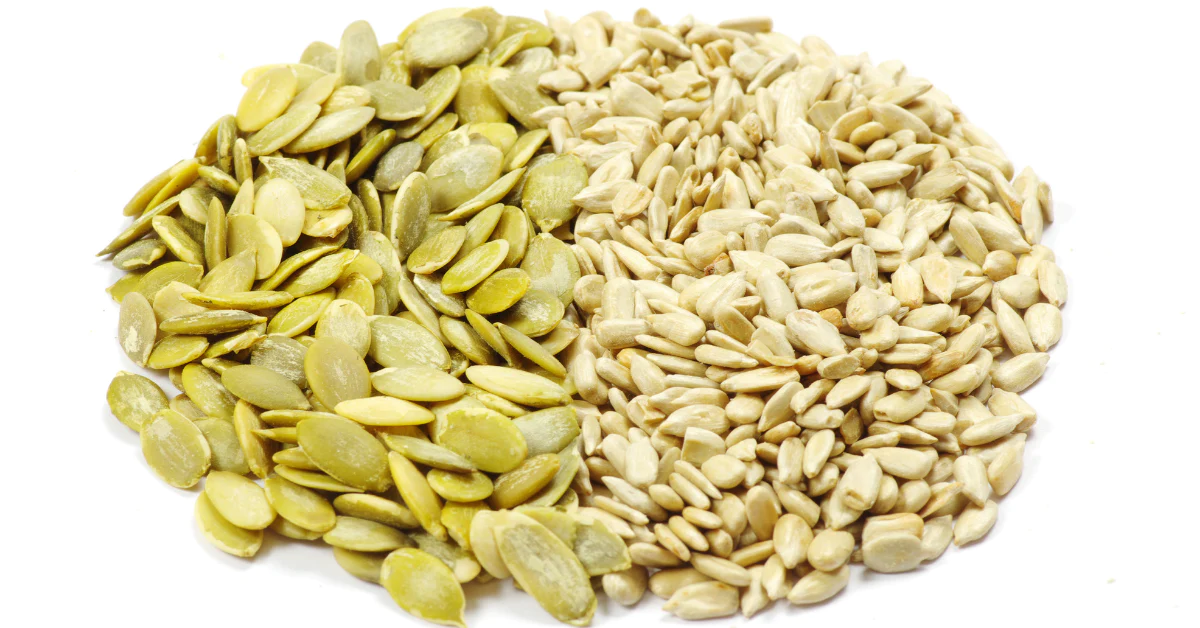
Sunflower seeds, biologically, comprise a hard pericarp (shell) approximately 0.8-1.2mm thick, an embryo, and endosperm constituting the kernel. The pericarp is composed primarily of cellulose and lignin, offering structural rigidity but also susceptibility to moisture-induced softening. The kernel consists of approximately 35-50% oil (linoleic acid being predominant), 20-30% protein, and 15-20% carbohydrates. Oil content directly impacts susceptibility to oxidation and rancidity. Manufacturing processes begin with seed selection, grading for size and uniformity (typically utilizing sieve analysis conforming to USDA standards), and often, a drying process to reduce moisture content to below 8% to inhibit fungal growth and premature germination. Surface treatment is crucial; a common technique involves applying a thin polymer coating (typically acrylic or polyurethane based) to enhance adhesion to floral adhesives and reduce moisture permeability. This coating process requires precise control of viscosity, application thickness (typically 5-15 µm), and curing temperature (typically 60-80°C) to avoid cracking or delamination. Adhesion is further enhanced through plasma treatment of the seed surface, increasing surface energy and promoting wetting by the adhesive. The floral adhesive used must exhibit chemical compatibility with both the seed pericarp and the supporting foam or material. Common floral adhesives, often based on polyacrylates, must be tested for long-term adhesion strength, considering temperature and humidity fluctuations. Seed orientation during placement within the floral arrangement is critical, impacting both aesthetic appeal and structural stability – aligned seeds offer greater compressive strength than randomly oriented ones.
Performance & Engineering
The engineering performance of sunflower seeds in floral arrangements centers around their load-bearing capacity, resistance to environmental factors, and impact on the overall structural integrity of the design. Force analysis reveals that individual seeds exhibit relatively low tensile strength (approximately 5-10 MPa), but their compressive strength (approximately 50-80 MPa) is significantly higher. This anisotropy dictates that seeds are most effectively utilized in configurations where compressive loads are predominant. Environmental resistance is a significant concern. Humidity levels exceeding 70% can lead to pericarp softening and increased susceptibility to microbial attack. UV exposure can cause discoloration and degradation of the polymer coating, reducing adhesion. Temperature fluctuations can induce stress within the seed, potentially leading to cracking. Compliance requirements, while not directly regulated for seeds within floral products, are indirectly affected by regulations governing floral foam composition (e.g., restrictions on formaldehyde) and adhesive safety (e.g., VOC limits). Functional implementation involves careful consideration of seed placement to create desired visual patterns and structural support. Finite Element Analysis (FEA) can be used to model the stress distribution within a floral arrangement, optimizing seed placement to minimize stress concentrations and maximize overall stability. The seed's weight must also be factored into the design, as excessive weight can lead to structural failure of the supporting foam.
Technical Specifications
| Seed Moisture Content | Pericarp Thickness (mm) | Oil Content (%) | Polymer Coating Thickness (µm) |
|---|---|---|---|
| ≤ 8% | 0.8 - 1.2 | 35 - 50 | 5 - 15 |
| Tensile Strength (MPa) | Compressive Strength (MPa) | Adhesion Strength to Floral Foam (N/mm²) | Water Vapor Transmission Rate (WVTR) (g/m²/24h) |
| 5 - 10 | 50 - 80 | 0.2 - 0.5 | < 5 |
| Germination Rate (After 7 Days, controlled conditions) | UV Resistance (Hours to 20% Coating Degradation) | VOC Emission Level (After 24 hours) (µg/m³) | Density (g/cm³) |
| < 5% | > 100 | < 70 | 1.0 - 1.2 |
| Seed Size (Average Diameter, mm) | Kernel Weight (Average, g) | Protein Content (%) | Lignin Content in Pericarp (%) |
Failure Mode & Maintenance
Failure modes for sunflower seeds within floral products are multifaceted. Premature germination, initiated by excessive moisture or fluctuating temperatures, results in unsightly sprouting and loss of aesthetic value. Pericarp cracking, often due to thermal stress or impact damage, compromises the seed's structural integrity and increases susceptibility to microbial infection. Coating delamination reduces adhesion to the floral foam and accelerates moisture ingress, leading to kernel degradation. Oxidation of the seed oil causes rancidity, producing unpleasant odors and potentially attracting pests. Biological degradation, manifested as fungal growth or insect infestation, can rapidly compromise the entire floral arrangement. Maintenance strategies focus on preventative measures. Controlled storage environments (temperature: 10-15°C, humidity: 50-60%) minimize germination and degradation. Application of a moisture barrier coating further reduces water uptake. Regular inspection for signs of cracking, delamination, or microbial growth allows for early intervention. If minor cracking is detected, a secondary coating application can temporarily restore structural integrity. In cases of severe degradation, replacement of the affected seeds is the only viable solution. Long-term preservation strategies for arrangements including sunflower seeds involve desiccation using silica gel or other desiccant materials, followed by storage in airtight containers.
Industry FAQ
Q: What is the impact of different floral foam densities on the adhesion performance of sunflower seeds?
A: Lower density foams offer less surface area for adhesion and may result in weaker bonding. Higher density foams, while providing greater support, can exert greater pressure on the seeds, potentially leading to cracking. Optimal foam density is typically in the range of 0.08-0.12 g/cm³, combined with a compatible floral adhesive specifically formulated for seed adhesion.
Q: How does the type of polymer coating affect the seed's resistance to UV degradation?
A: Polyurethane coatings generally offer superior UV resistance compared to acrylic coatings, due to their higher inherent stability. However, the addition of UV absorbers to acrylic formulations can significantly improve their performance. The concentration of UV absorber and the coating thickness are critical parameters.
Q: What methods can be used to quantify the risk of premature germination during shipping and storage?
A: Accelerated aging studies, involving exposure to elevated temperatures and humidity levels, can provide an estimate of germination potential over time. Monitoring seed moisture content throughout the supply chain is also crucial. Conducting germination tests on representative samples before and after shipping provides direct evidence of viability.
Q: Are there specific adhesive formulations recommended for adhering sunflower seeds to different floral foam materials (e.g., phenolic, polyethylene)?
A: Phenolic foams generally require adhesives with higher polarity to achieve good adhesion. Polyethylene foams, being non-polar, require adhesives with lower polarity or surface treatment to enhance wetting. Polyacrylate adhesives modified with silanes are often effective for both foam types.
Q: How does the size and shape consistency of sunflower seeds affect the overall structural integrity of a floral arrangement?
A: Greater size and shape consistency lead to more uniform load distribution and reduced stress concentrations within the arrangement. Grading seeds based on size and removing irregularly shaped seeds improves structural stability and aesthetic appeal. Consistent seed size also facilitates more precise placement within the design.
Conclusion
The successful integration of sunflower seeds into floral products requires a nuanced understanding of their material properties, manufacturing processes, and performance characteristics. Beyond mere aesthetic contribution, these seeds function as engineered components demanding meticulous control over moisture content, adhesion, and environmental resistance. Addressing the identified failure modes – germination, cracking, delamination, and degradation – necessitates a proactive approach encompassing optimized storage, appropriate coating selection, and compatible adhesive formulations.
Future research should focus on developing biodegradable polymer coatings with enhanced UV protection and moisture barrier properties, exploring alternative adhesives based on bio-renewable resources, and employing advanced modeling techniques to predict long-term performance under various environmental conditions. A holistic approach encompassing material science, engineering principles, and quality control protocols is paramount to maximizing the longevity, structural integrity, and aesthetic appeal of floral arrangements incorporating sunflower seeds.
