Introduction
Sunflower seeds, in the context of flower manufacturing, are primarily utilized as a nutritional component within birdseed mixes sold alongside or intended for use with bird feeders and associated flower-supporting ecosystems. While seemingly simple, the quality and characteristics of these seeds directly impact avian health, feeder performance, and ultimately, the perceived value of the broader floral product offering. This technical guide details the material science, manufacturing considerations, performance parameters, failure modes, and industry standards relevant to sunflower seeds supplied by flower manufacturers, moving beyond a simple agricultural product to a critical engineered component within a larger ecosystem service.
Material Science & Manufacturing
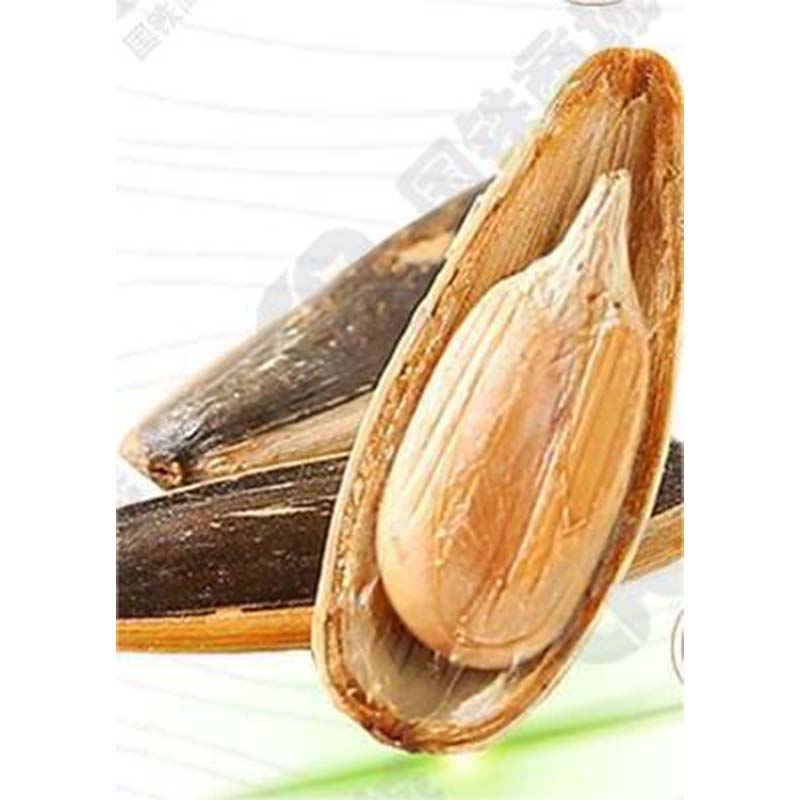
Sunflower seeds ( Helianthus annuus) comprise a hull (pericarp), kernel (cotyledon), and embryo. The hull constitutes approximately 20-30% of the seed's weight and is composed primarily of cellulose, lignin, and hemicellulose. The kernel, the nutritionally valuable portion, contains approximately 40-50% oil (primarily linoleic acid), 20-25% protein, and significant levels of vitamin E and minerals. Manufacturing begins with agricultural cultivation, focusing on hybrid varieties optimized for kernel size, oil content, and hull strength. Post-harvest processing includes drying to a moisture content of approximately 8-10% to prevent fungal growth and aflatoxin contamination. De-hulling is a crucial step, impacting kernel integrity and palatability. Mechanical dehulling processes employ abrasion and impact, requiring precise calibration to minimize kernel damage. Kernel sizing and grading are performed based on diameter, weight, and visual defects. Seed coating, often with calcium carbonate or clay, enhances flowability and prevents caking during storage and transport. Quality control relies heavily on near-infrared spectroscopy (NIRS) to assess oil content, protein levels, and moisture content, ensuring compliance with established specifications. The seed's physical properties, like sphericity and bulk density, dictate its flow characteristics within automated filling and packaging systems used in flower manufacturing facilities.
Performance & Engineering
The primary performance requirement for sunflower seeds in this application is nutritional value for avian consumers. This translates to optimized oil content for energy provision, adequate protein levels for tissue repair and growth, and a balanced mineral composition. However, engineering considerations extend beyond pure nutritional content. Hull integrity is vital, as excessively brittle hulls lead to increased shell fragments, potentially causing crop impaction in birds. Conversely, excessively strong hulls can limit seed accessibility, particularly for smaller bird species. Flowability is crucial for automated packaging systems. Poor flowability results in inconsistent fill weights and potential equipment jamming. Furthermore, the seeds’ resistance to oxidative rancidity during storage and transport is critical. Linoleic acid, a dominant fatty acid in sunflower oil, is susceptible to oxidation, leading to off-flavors and reduced nutritional value. Packaging materials must therefore provide adequate barrier properties against oxygen and light. Seed size distribution impacts feeder design; smaller seeds are suitable for tube feeders, while larger seeds are preferred for platform feeders. The seeds’ inherent buoyancy in water is also a factor, influencing their suitability for use in wet or humid environments.
Technical Specifications
| Parameter | Unit | Typical Value (Black Oil Sunflower Seeds) | Acceptable Range |
|---|---|---|---|
| Kernel Oil Content | % | 42-48 | 38-52 |
| Kernel Protein Content | % | 22-26 | 20-28 |
| Kernel Moisture Content | % | 8-10 | 6-12 |
| Hull Percentage | % | 20-30 | 18-35 |
| Kernel Size (Diameter) | mm | 6-8 | 5-9 |
| Acid Value (Freshness Indicator) | mg KOH/g | <1.0 | <2.0 |
Failure Mode & Maintenance
Sunflower seeds are susceptible to several failure modes. Aflatoxin contamination, caused by Aspergillus fungi, is a significant concern, rendering the seeds unusable and posing a health risk to birds. This is mitigated through proper drying and storage practices. Rancidity, resulting from lipid oxidation, diminishes nutritional value and palatability. Prevention relies on antioxidant packaging and controlled storage temperatures. Physical damage to the kernel, caused by harsh dehulling or handling, reduces its nutritional value and increases dust generation. Insect infestation, particularly by storage pests, can lead to significant losses. Preventative measures include insecticidal treatment and hermetic storage. Hull cracking during processing or transport reduces flowability and increases dust. Moisture absorption during storage promotes fungal growth and accelerates rancidity. Proper packaging and climate-controlled storage are essential. Maintenance practices focus on rigorous quality control checks at each stage of the manufacturing process, including regular aflatoxin testing, peroxide value analysis (to assess rancidity), and visual inspection for physical damage and insect infestation. Maintaining proper sanitation in processing facilities is crucial to minimize fungal and insect contamination.
Industry FAQ
Q: What are the critical factors determining the shelf life of sunflower seeds used in birdseed mixes?
A: Shelf life is primarily determined by moisture content, oil quality (specifically, the rate of lipid oxidation), and packaging integrity. Maintaining low moisture levels (<10%), utilizing antioxidant packaging materials, and storing seeds in a cool, dry, and dark environment are crucial. Regular monitoring of peroxide value provides an indication of rancidity development.
Q: How does the hull percentage impact the usability of sunflower seeds for different bird species?
A: Higher hull percentages are generally preferred for larger birds capable of easily cracking the hulls. Lower hull percentages or partially de-hulled seeds are more accessible to smaller birds. Hull strength also plays a role; overly brittle hulls create excessive shell fragments, while overly strong hulls can be difficult for some birds to penetrate.
Q: What testing protocols are used to ensure the absence of aflatoxins in sunflower seeds?
A: The industry standard is Enzyme-Linked Immunosorbent Assay (ELISA) for rapid screening. Positive ELISA results are confirmed using High-Performance Liquid Chromatography (HPLC) for quantitative analysis. Regulatory limits for aflatoxins vary by region (e.g., FDA regulations in the US).
Q: What are the acceptable limits for foreign material contamination (e.g., weed seeds, sticks, stones) in sunflower seeds?
A: Acceptable limits are typically specified in industry standards and buyer contracts. Generally, a maximum of 1-2% foreign material is considered acceptable, but this may vary depending on the intended application and quality grade.
Q: How does seed size and shape affect the performance of automatic filling equipment in flower manufacturing facilities?
A: Consistent seed size and shape are essential for accurate metering and filling. Variability in size and shape can lead to bridging in hoppers, inconsistent fill weights, and equipment jamming. Seed flowability is directly correlated with these physical characteristics.
Conclusion
Sunflower seeds, while a natural product, demand precise engineering and quality control when supplied for use in flower manufacturer’s birdseed offerings. Their performance is dictated by a complex interplay of material science – specifically the oil content, protein levels, and hull characteristics – and manufacturing processes, from cultivation and dehulling to drying and storage. Maintaining optimal quality requires rigorous adherence to industry standards and proactive monitoring of potential failure modes like aflatoxin contamination and rancidity.
Future developments may focus on genetically engineered sunflower varieties with enhanced oil stability, improved hull characteristics, and increased resistance to fungal growth. Furthermore, innovative packaging technologies utilizing active oxygen scavengers and modified atmosphere packaging will contribute to extended shelf life and preserved nutritional value. The integration of real-time sensor technology for monitoring seed quality throughout the supply chain will also become increasingly prevalent, ensuring consistent performance and consumer satisfaction.
