Introduction
Sunflower seeds, Helianthus annuus, utilized in the floral industry represent a specialized agricultural product subjected to rigorous quality control beyond typical food-grade standards. Their primary function isn’t nutritional but aesthetic and structural, serving as a component in floral arrangements, birdseed mixtures marketed alongside bouquets, and increasingly, in specialized craft applications. This technical guide details the material science, manufacturing considerations, performance characteristics, failure modes, and relevant industry standards associated with sunflower seeds intended for the floral and related crafts market. A key pain point for flower manufacturers is inconsistency in seed quality – specifically kernel size, oil content, and hull integrity – impacting arrangement stability and aesthetic appeal. Maintaining consistent moisture content and preventing premature germination are also crucial challenges.
Material Science & Manufacturing
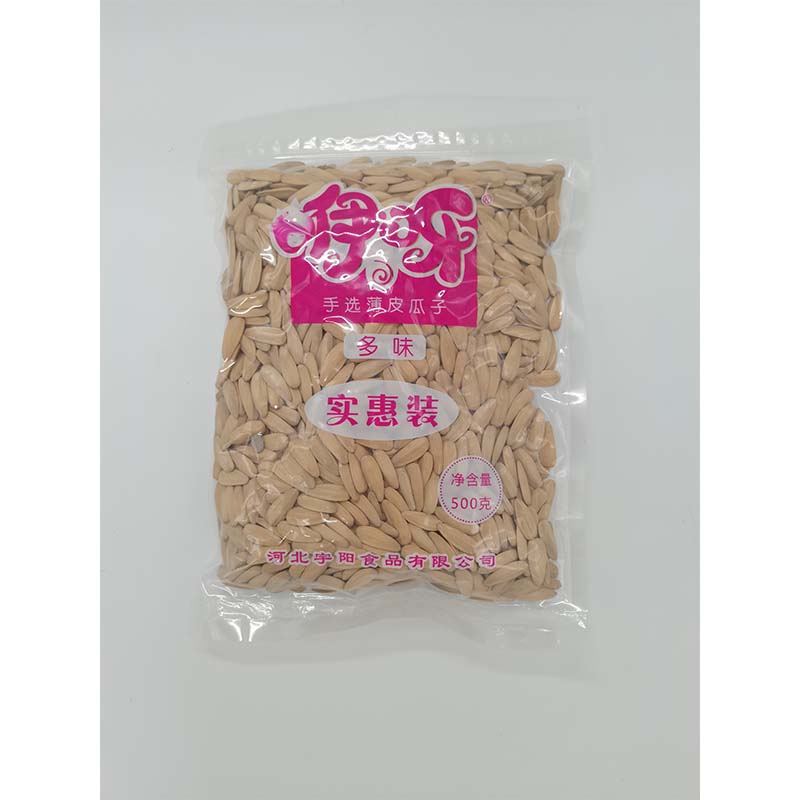
Sunflower seeds consist of a hull (pericarp), kernel (cotyledon), and embryo. The hull comprises approximately 20-30% of the seed’s weight and is primarily cellulose and lignin. Kernel composition is roughly 50-65% oil (primarily linoleic acid), 20-30% protein, and 10-15% carbohydrates. Seed varieties differ significantly in oil content and hull thickness. Manufacturing begins with agricultural cultivation, focusing on hybrid varieties selected for large kernel size and robust hull integrity. Harvesting typically occurs at physiological maturity, minimizing pre-harvest shattering. Post-harvest processing involves drying to a target moisture content of 8-10% to inhibit fungal growth and germination. Drying methods include forced-air drying and sun-drying, with controlled temperature being critical to prevent protein denaturation and oil oxidation. Dehulling, though common for consumption, is generally avoided for floral applications as the hull provides structural integrity and aesthetic appeal. Seed grading separates seeds based on size and density, removing foreign material (chaff, stems, etc.). Parameter control during drying is paramount – exceeding 60°C can reduce germination rate and oil quality, while insufficient drying leads to mold growth. The presence of mycotoxins, such as aflatoxins, is a significant concern requiring regular testing. Surface treatments, such as light oil coatings, are sometimes applied to enhance luster and reduce dust.
Performance & Engineering
The primary performance requirement for sunflower seeds in floral applications is structural integrity within an arrangement. Force analysis focuses on the seed’s ability to withstand handling, transportation, and minor impacts without cracking or fracturing. Hull strength is the dominant factor here. Environmental resistance is also crucial; prolonged exposure to humidity can cause hull softening and potential germination, while excessive dryness leads to brittleness. UV exposure can cause discoloration of the hull. Floral foam compatibility is important – seeds must not react chemically with the foam or leach oils that could damage other floral materials. Regarding compliance, regulations pertaining to seed treatment (pesticide residues, etc.) apply, even for non-consumption applications. The seed's weight distribution influences the stability of arrangements, especially in gravity-dependent designs. A key engineering consideration is preventing premature germination; this is addressed through moisture control and, sometimes, through the application of germination inhibitors (though their use is increasingly restricted due to environmental concerns). Static electricity buildup can be problematic during handling, attracting dust and affecting arrangement aesthetics – anti-static coatings are sometimes employed.
Technical Specifications
| Parameter | Unit | Typical Value (Floral Grade) | Test Method |
|---|---|---|---|
| Kernel Size (Diameter) | mm | 10-14 | Visual Inspection / Image Analysis |
| Hull Moisture Content | % (wet basis) | 8-10 | Oven Drying Method (ASTM D245) |
| Oil Content (Kernel) | % (dry basis) | 45-55 | Soxhlet Extraction (AOCS Cd 1a-92) |
| Hull Strength (Crushing Force) | N | > 50 | Universal Testing Machine (ASTM D695) - Modified for Seed |
| Germination Rate (Maximum) | % | < 5 | Standard Germination Test (ISTA) |
| Aflatoxin Level (Maximum) | ppb | < 20 | HPLC Analysis (FDA Guidelines) |
Failure Mode & Maintenance
Common failure modes include hull cracking due to impact or stress, kernel breakage during handling, premature germination triggered by excessive moisture, fungal growth leading to discoloration and odor, and oxidation of oils resulting in rancidity. Fatigue cracking can occur with repeated handling, particularly in seeds with pre-existing micro-fractures in the hull. Delamination of the hull from the kernel is also observed with fluctuating humidity levels. Oxidation is accelerated by exposure to light and air. Maintenance (preventative measures) primarily focuses on controlled storage conditions: maintaining a cool, dry environment (15-20°C, 60-70% relative humidity). Seeds should be stored in breathable containers to prevent moisture buildup. Regular inspection for signs of mold or insect infestation is essential. For large-scale storage, controlled atmosphere storage (reducing oxygen levels) can extend shelf life. Contaminated batches should be quarantined and disposed of appropriately. Avoid prolonged exposure to direct sunlight or artificial UV light sources. Implementing a First-In, First-Out (FIFO) inventory management system minimizes the risk of using aged seeds.
Industry FAQ
Q: What is the acceptable level of damaged kernels in a floral-grade sunflower seed batch?
A: Generally, a maximum of 2-3% damaged kernels (defined as visibly broken, chipped, or discolored) is considered acceptable for floral-grade seeds. Higher percentages negatively impact aesthetic appeal and arrangement stability.
Q: How does hull thickness affect the suitability of sunflower seeds for different floral arrangement styles?
A: Thicker hulls provide greater structural integrity, making them suitable for arrangements requiring significant support or those prone to handling. Thinner hulls offer a more refined aesthetic but are less durable.
Q: What testing is required to ensure sunflower seeds meet phytosanitary regulations for international shipment?
A: Seeds typically require inspection for pests and pathogens, and a phytosanitary certificate issued by the exporting country's agricultural authority. Specific requirements vary depending on the importing country.
Q: What are the primary causes of discoloration in sunflower seed hulls, and how can it be prevented?
A: Discoloration can result from UV exposure, fungal growth, oxidation, or improper drying. Prevention involves protecting seeds from sunlight, maintaining low moisture content, and using appropriate storage containers.
Q: Can treated sunflower seeds (e.g., with fungicide) be used for floral arrangements, and are there any labeling requirements?
A: The use of treated seeds is becoming increasingly restricted due to environmental concerns. If treated seeds are used, full disclosure of the treatment type is required, and compliance with local pesticide regulations is mandatory. Many florists now prefer untreated seeds.
Conclusion
Sunflower seeds, when sourced and processed according to rigorous standards, serve as a valuable component in the floral industry. Understanding the interplay between material science – specifically hull strength, oil content, and moisture levels – and manufacturing practices is essential for ensuring consistent quality and performance. The susceptibility to failure modes such as cracking, germination, and oxidation necessitates careful storage and handling procedures.
Future advancements may focus on developing seed coatings that enhance durability, reduce moisture absorption, and provide UV protection. Furthermore, breeding programs aimed at producing hybrid varieties with inherently stronger hulls and lower germination rates will contribute to improved product reliability and reduced waste within the floral supply chain. A continued emphasis on sustainable sourcing and minimizing chemical treatments will align with evolving industry demands and environmental regulations.
