Introduction
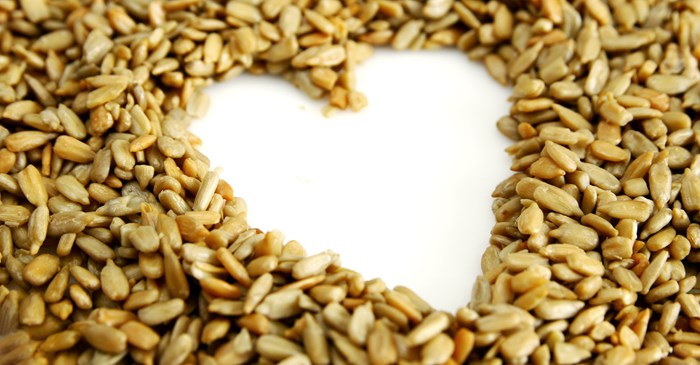
Sunflower seeds, Helianthus annuus, represent a critical component in the floral industry supply chain, extending beyond direct consumption to serve as a substrate for birdseed production, oil extraction, and increasingly, as a bio-based material in novel applications. This technical guide focuses on the industrial handling and quality control of sunflower seeds within a “flower factory” context – specifically, facilities involved in seed preparation for avian feed, oil processing, and emerging applications like bioplastic feedstock. The core performance characteristics driving seed selection are oil content, protein levels, hull percentage, germination rate (for propagation seeds), and freedom from contaminants (aflatoxins, pesticides). Maintaining these parameters is crucial for operational efficiency, product quality, and adherence to stringent food safety regulations. The challenges faced by producers and processors stem from variability in seed quality based on growing conditions, harvesting techniques, and storage practices. This guide provides a comprehensive technical overview of these aspects, addressing material science, manufacturing processes, performance metrics, failure modes, and relevant industry standards.
Material Science & Manufacturing
Sunflower seeds are composed of approximately 35-50% oil, 20-25% protein, 20-30% hull (seed coat), and 5-10% moisture. The oil is primarily linoleic acid (a polyunsaturated omega-6 fatty acid), with varying amounts of oleic acid depending on the seed variety (high-oleic types are increasingly favored for improved oxidative stability). The hull is composed largely of cellulose and lignin, providing structural integrity. Manufacturing begins with field harvesting, typically employing combine harvesters. Key parameters during harvesting include minimizing mechanical damage to the seed coat to prevent moisture ingress and microbial growth. Post-harvest processing involves cleaning (removal of stems, leaves, and other debris), drying (to reduce moisture content to ~8-10% to inhibit spoilage), dehulling (removal of the outer hull, often using abrasive or impact methods), and grading (separation based on size and density). Dehulling efficiency is critical; incomplete hull removal impacts oil extraction yield and increases processing costs. Controlled drying is essential – excessive temperatures can denature proteins and reduce oil quality, while insufficient drying leads to fungal growth and aflatoxin contamination. The impact of ambient humidity on the moisture regain of sunflower seeds also necessitates climate-controlled storage facilities. Seed sterilization using techniques like steam treatment or chemical fumigation (regulated heavily) is sometimes employed to control microbial load. Recent advancements include employing near-infrared spectroscopy (NIRS) for rapid, non-destructive assessment of oil and protein content throughout the process.
Performance & Engineering
The performance of sunflower seeds within an industrial context is dictated by several engineering considerations. Bulk density, ranging from 600-700 kg/m³, influences storage capacity and conveying system design. Shear strength, critical during dehulling and cracking operations, is dependent on seed moisture content and hull thickness. Force analysis during impact dehulling reveals that optimal force levels are necessary to fracture the hull without damaging the kernel. Environmental resistance is paramount; prolonged exposure to moisture, elevated temperatures, and UV radiation degrades oil quality and reduces germination rates. Compliance requirements are extensive, driven by food safety regulations (e.g., limits on aflatoxin levels) and organic certification standards (for seeds intended for organic feed). Aflatoxin contamination, produced by Aspergillus fungi, is a significant concern, requiring rigorous quality control measures throughout the supply chain. Storage silos must be designed to minimize moisture accumulation and prevent insect infestations. Airflow management within silos is crucial to maintain uniform temperature and prevent localized heating. Engineering controls, such as dust collection systems, are also essential to minimize the risk of dust explosions during processing. Furthermore, the increasing demand for sustainable practices is driving the adoption of energy-efficient drying technologies and optimized dehulling processes to minimize waste generation.
Technical Specifications
| Parameter | Units | Typical Range (Oilseed Variety) | Typical Range (Confectionery Variety) |
|---|---|---|---|
| Oil Content (Dry Basis) | % | 42-58 | 38-48 |
| Protein Content (Dry Basis) | % | 18-28 | 20-25 |
| Hull Percentage | % | 20-30 | 5-10 |
| Moisture Content | % | 8-10 | 8-10 |
| Aflatoxin Level (B1) | ppb | <20 (Regulatory Limit) | <20 (Regulatory Limit) |
| Germination Rate (Minimum) | % | N/A (Oilseed) | 85 |
Failure Mode & Maintenance
Sunflower seeds are susceptible to several failure modes during processing and storage. Fatigue cracking of the seed coat can occur during impact dehulling if the force is excessive or unevenly distributed. Delamination, or separation of the kernel from the seed coat, reduces processing efficiency and affects oil yield. Degradation of oil quality, manifested as increased acidity and peroxide value, results from oxidation and hydrolysis, accelerated by high temperatures and exposure to air. Aflatoxin contamination is a critical failure mode, rendering the seeds unusable for human or animal consumption. Insect infestations (e.g., by grain moths) cause significant damage and introduce contaminants. Maintenance of processing equipment is crucial to prevent mechanical failures that can damage seeds. Regular inspection and replacement of worn dehulling components (e.g., abrasive surfaces) are essential. Silo maintenance includes cleaning, inspection for cracks, and repair of ventilation systems. Preventative maintenance schedules should include regular monitoring of seed moisture content and temperature to identify potential spoilage issues. Implementing a robust pest control program is vital to prevent insect infestations. Periodic cleaning of processing lines and storage facilities prevents the buildup of dust and debris, minimizing the risk of contamination and fire hazards.
Industry FAQ
Q: What is the impact of seed variety on oil extraction efficiency?
A: Seed variety significantly influences oil extraction efficiency. High-oleic sunflower seeds generally yield a higher quality oil with improved oxidative stability, but may require slightly different extraction parameters compared to linoleic seed varieties. The hull percentage and seed density, also vary with variety, affecting pre-processing requirements and overall extraction yield.
Q: How can aflatoxin contamination be effectively minimized?
A: Minimizing aflatoxin contamination requires a multi-faceted approach. This includes selecting disease-resistant seed varieties, implementing proper harvesting and drying techniques, maintaining sanitary storage conditions, and utilizing antifungal treatments (where permitted by regulations). Regular testing for aflatoxin levels throughout the supply chain is crucial.
Q: What are the critical parameters for controlling seed moisture content during storage?
A: Maintaining seed moisture content below 10% is paramount. Monitoring ambient temperature and humidity within storage facilities is crucial. Implementing proper ventilation and aeration systems ensures uniform moisture distribution and prevents localized heating. Regular moisture content checks are essential for early detection of spoilage.
Q: What are the key considerations for designing a sunflower seed dehulling system?
A: Dehulling system design requires careful consideration of seed size, shape, and moisture content. Optimizing impact force, abrasion intensity, and screen size are critical for maximizing hull removal efficiency while minimizing kernel damage. Dust control systems are essential to prevent dust explosions and maintain worker safety.
Q: What quality control tests are essential for sunflower seeds intended for birdseed production?
A: Essential quality control tests include oil content analysis, protein content analysis, moisture content determination, visual inspection for foreign matter, and testing for aflatoxin contamination. Germination rate is less critical for birdseed, but seed size and uniformity are important for automated packaging systems.
Conclusion
Sunflower seed processing within a flower factory, or related industrial context, demands a thorough understanding of material science, engineering principles, and quality control protocols. Optimizing each stage of the process – from harvesting to storage to processing – is critical for maximizing oil yield, minimizing waste, and ensuring product safety and compliance. Variability in seed quality necessitates robust monitoring and control systems, along with flexible processing parameters.
Future advancements will likely focus on improving seed genetics for enhanced oil content and disease resistance, developing more energy-efficient processing technologies, and implementing advanced sensor technologies for real-time quality monitoring. The increasing demand for sustainable practices will drive innovation in waste reduction and the utilization of sunflower seed by-products for value-added applications.
