Introduction
Sunflower seeds, Helianthus annuus, represent a critical agricultural input for the edible oil, confectionery, and increasingly, the bio-diesel industries. Within the context of flower factories – facilities specializing in the processing of sunflowers for cut flower production – the seeds are a vital byproduct requiring careful management. Traditionally considered agricultural waste, emerging processing methods are transforming these seeds into a valuable feedstock. This guide provides a comprehensive technical overview of sunflower seed characteristics, post-harvest handling, industrial processing, quality control, potential failure modes, and relevant standards. Core performance metrics revolve around oil content, protein levels, hull percentage, and the presence of contaminants impacting downstream applications. Industry pain points include efficient seed separation from flower heads, minimizing mechanical damage during processing, maintaining seed viability for specific applications, and ensuring adherence to stringent food safety regulations. Effective management of these seeds contributes to overall factory sustainability and maximizes resource utilization.
Material Science & Manufacturing
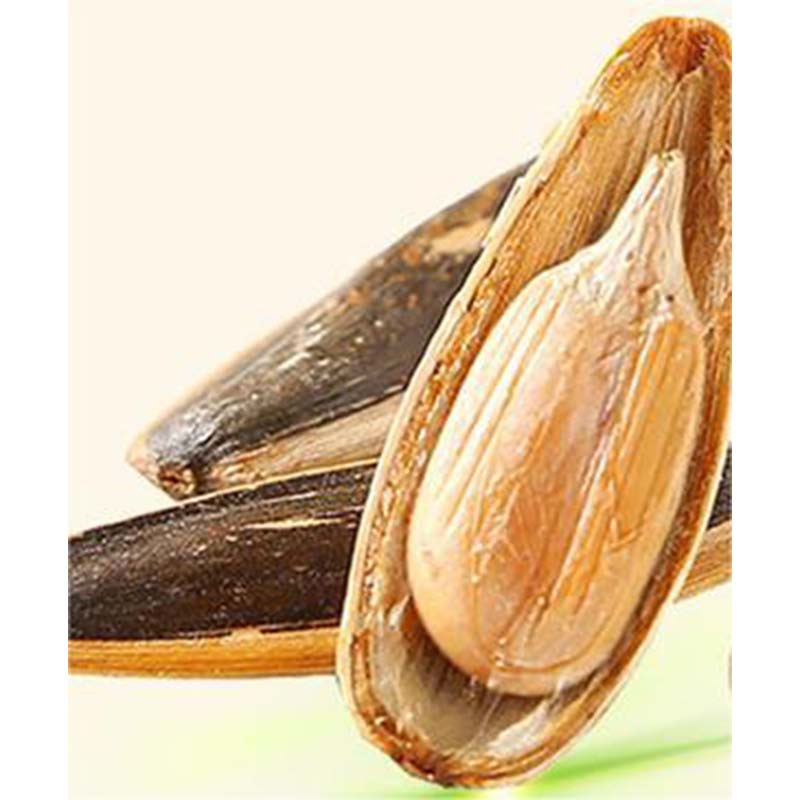
Sunflower seeds are complex biological structures comprising the kernel (cotyledon), hull (pericarp), and embryo. The kernel constitutes approximately 65-80% of the seed mass, primarily composed of lipids (35-55%), proteins (18-25%), carbohydrates (10-20%), and minor components like vitamins, minerals, and waxes. Lipid composition varies with sunflower variety, with linoleic acid (omega-6) and oleic acid (omega-9) being the predominant fatty acids. The hull, representing 20-35% of the seed mass, is composed largely of cellulose, hemicellulose, and lignin, providing structural rigidity. Manufacturing processes begin with harvesting, typically utilizing mechanical combines. Post-harvest, the seeds are separated from the flower head, a process often involving mechanical threshing and cleaning to remove debris. Key parameters during seed separation include impact force (to detach seeds without damage) and airflow velocity (to efficiently remove chaff). Further processing involves drying to reduce moisture content (typically to 9-11%) to prevent fungal growth and enzymatic degradation. Drying temperature is critical; exceeding 45°C can denature proteins and reduce oil quality. Hulling (de-hulling) is common for confectionery seeds, employing abrasive or impact methods. Parameter control focuses on minimizing kernel breakage during de-hulling. Seed grading is then performed based on size and quality, utilizing screens and optical sorters. Chemical compatibility considerations include avoiding contact with reactive metals (iron, copper) that can catalyze oxidation of unsaturated fatty acids.
Performance & Engineering
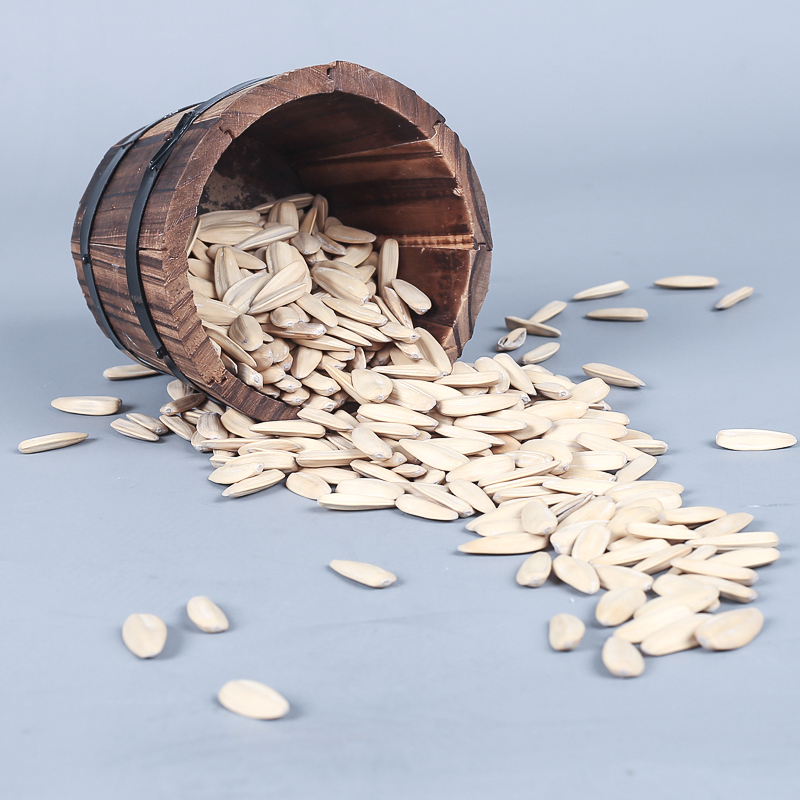
The primary engineering challenge is optimizing seed processing to maximize oil yield and minimize waste. Force analysis during dehulling is crucial, determining the optimal impact energy required to remove the hull without damaging the kernel. Tensile strength of the hull dictates the required force. Environmental resistance is a key concern during storage. High humidity promotes fungal growth (e.g., Aspergillus species) leading to aflatoxin contamination. Temperature fluctuations can induce condensation and exacerbate this issue. Engineering controls include climate-controlled storage facilities with humidity levels below 65% and temperatures below 25°C. Compliance requirements are stringent, particularly for seeds intended for human consumption. Regulations enforced by organizations like the FDA (Food and Drug Administration) dictate permissible levels of contaminants (aflatoxins, pesticides, heavy metals). Functional implementation involves designing processing lines that minimize mechanical stress on the seeds. Conveyor speed, dropping height, and the geometry of processing equipment are all critical parameters. Airflow systems must be designed to efficiently remove dust and debris without causing seed damage. Material selection for processing equipment (stainless steel is preferred) must consider chemical compatibility with seed components to prevent corrosion and contamination. The buoyancy of the seeds also needs consideration in separation processes.
Technical Specifications
| Parameter | Unit | Typical Range (Oilseed Variety) | Typical Range (Confectionery Variety) |
|---|---|---|---|
| Oil Content (Dry Basis) | % | 42-58 | 38-50 |
| Protein Content (Dry Basis) | % | 18-25 | 20-28 |
| Hull Percentage | % | 20-35 | 5-10 |
| Moisture Content | % | 9-11 | 9-11 |
| Kernel Size (Average Diameter) | mm | 6-10 | 8-12 |
| Aflatoxin B1 (Maximum Permissible Level) | ppb | 20 | 20 |
Failure Mode & Maintenance
Failure modes in sunflower seed processing and storage are diverse. Fatigue cracking can occur in processing equipment due to repeated stress. Delamination of the kernel can result from excessive mechanical force during dehulling. Degradation of oil quality occurs through oxidation, accelerated by exposure to light, heat, and oxygen. Preventive maintenance includes regular inspection of processing equipment for wear and tear, lubrication of moving parts, and cleaning of storage facilities. Oxidation is mitigated by storing seeds in airtight containers under nitrogen atmosphere and adding antioxidants (e.g., Vitamin E). Fungal contamination is a critical failure mode, leading to aflatoxin production. Regular monitoring for fungal growth and aflatoxin levels is essential. Implementing a robust pest control program minimizes insect damage, which can create entry points for fungal infection. Preventative measures include maintaining optimal storage conditions (low humidity, low temperature) and employing effective sanitation protocols. Another failure mode is physical damage leading to seed breakage. Optimizing processing parameters (conveyor speed, dropping height) and using appropriate equipment materials minimize this risk. Scheduled maintenance of sorting and grading equipment ensures accurate quality control.
Industry FAQ
Q: What are the key factors affecting oil yield from sunflower seeds?
A: Several factors influence oil yield. Sunflower variety is paramount, as genetic factors determine inherent oil content. Maturity at harvest is also critical; seeds harvested at optimal maturity exhibit higher oil content. Proper drying techniques are essential to prevent moisture-related degradation of lipids. Finally, efficient dehulling processes, minimizing kernel damage, maximize oil recovery.
Q: How do you mitigate the risk of aflatoxin contamination in sunflower seed storage?
A: Aflatoxin contamination is a significant concern. Maintaining low moisture content (below 9%) is the primary preventative measure. Proper storage facility sanitation, including regular cleaning and disinfection, is crucial. Implementing a robust pest control program prevents insect damage, which provides entry points for fungal infection. Regular monitoring of seed samples for aflatoxin levels using ELISA or HPLC techniques is essential. Good ventilation to minimize humidity build-up is also vital.
Q: What is the optimal moisture content for long-term sunflower seed storage?
A: The optimal moisture content for long-term storage is consistently below 9%. Above this level, enzymatic activity and fungal growth accelerate, leading to quality degradation and potential aflatoxin contamination. Accurate moisture measurement using calibrated instruments is crucial.
Q: What types of materials are best suited for constructing sunflower seed processing equipment?
A: Stainless steel (grades 304 and 316) is the preferred material due to its corrosion resistance, hygienic properties, and compatibility with seed components. Polymeric materials (e.g., polyethylene) are suitable for components with low mechanical stress. Avoid using reactive metals (iron, copper) that can catalyze lipid oxidation.
Q: What are the implications of different linoleic to oleic acid ratios in sunflower oil for different applications?
A: Higher linoleic acid content increases the oil's susceptibility to oxidation but enhances its nutritional profile (essential omega-6 fatty acid). Higher oleic acid content improves oxidative stability, extending shelf life, and making it suitable for high-heat cooking applications. Different applications – confectionery vs. industrial – dictate the preferred fatty acid profile.
Conclusion
Sunflower seeds emerging from flower factory processes represent a significant opportunity for valorization of a traditionally discarded byproduct. Successful implementation requires a deep understanding of seed composition, meticulous control of manufacturing parameters, and proactive management of potential failure modes. The technical specifications outlined herein provide a framework for optimizing seed processing to maximize oil yield, maintain seed quality, and ensure compliance with stringent regulatory standards.
Future trends focus on developing novel processing technologies to further enhance oil extraction efficiency and explore new applications for sunflower seed byproducts (e.g., protein isolates, hull-based materials). Investing in advanced monitoring and control systems will be crucial for maintaining consistent product quality and minimizing waste. A holistic approach integrating agricultural practices, processing technologies, and storage protocols will drive the sustainable utilization of this valuable resource.
