Introduction
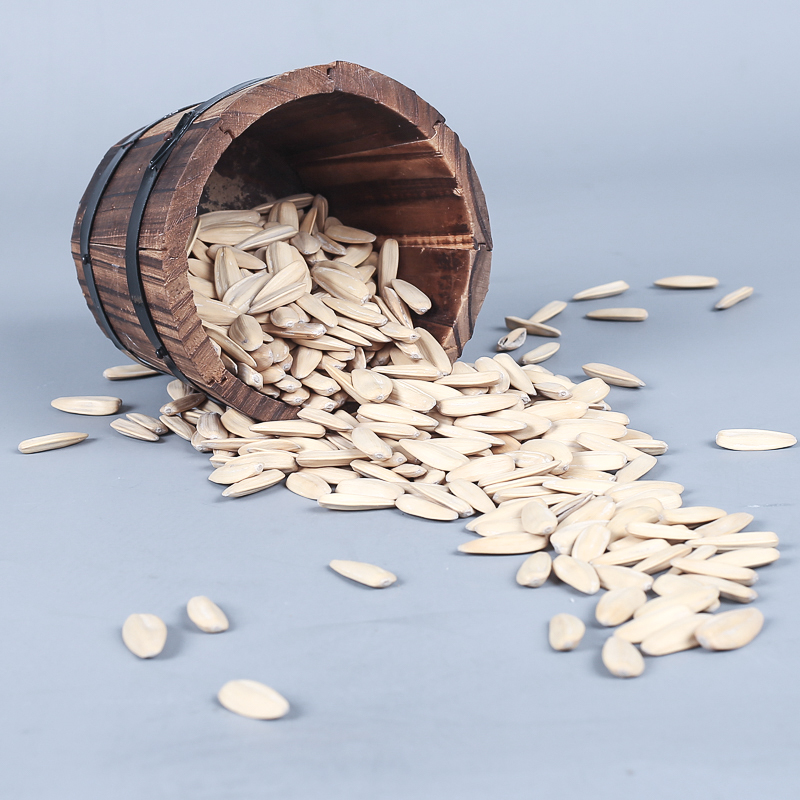
Sunflower seeds ( Helianthus annuus) represent a significant commodity within the agricultural export market, particularly when categorized as a value-added component associated with the flower export industry. While traditionally viewed as a byproduct of oilseed production, increasingly, specific varieties are cultivated and processed for direct human consumption, contributing to a niche market segment. Their technical position in the industry chain lies between primary agricultural production and food processing/snack food manufacturing. Core performance characteristics, vital for international trade, include oil content, kernel size and weight, protein content, moisture levels, and freedom from contaminants (aflatoxins, pesticides). Maintaining these parameters is critical for ensuring product quality, shelf life, and compliance with stringent import regulations. The flower export sector leverages sunflower seeds not merely as a standalone product, but often as a complementary offering—a ‘seed-to-table’ experience enhancing the perceived value of floral shipments and diversifying revenue streams. Understanding the intricacies of seed quality and preservation is paramount for exporters targeting premium markets.
Material Science & Manufacturing
Sunflower seed composition is fundamentally governed by its biological structure. The seed consists of a hull (pericarp), kernel (cotyledons), and embryo. The hull, composed primarily of cellulose and lignin, provides physical protection and contributes to fiber content. Kernel composition centers around lipids (35-55% depending on variety), proteins (18-25%), carbohydrates (15-25%), and moisture (typically 6-10%). Lipid profile is dominated by linoleic acid (omega-6) and oleic acid (omega-9). Manufacturing processes begin with harvesting, typically employing combine harvesters equipped with seed-saving attachments. Post-harvest processing involves cleaning (removal of debris, stems, leaves), drying (to achieve optimal moisture content – typically ≤8% to prevent mold growth and aflatoxin contamination), dehulling (optional, depending on end-use application; impacting both appearance and oil extraction efficiency), sizing/grading (based on kernel dimensions and weight), and packaging. Key parameter control during drying is crucial: excessive temperatures (>60°C) can denature proteins and degrade oil quality. Dehulling, if performed, must minimize kernel damage to preserve oil integrity. Packaging materials (typically multi-layer films) need to provide a barrier against moisture, oxygen, and light to maintain shelf life and prevent rancidity. Seed genetics heavily influence oil content and fatty acid composition; breeders focus on maximizing oleic acid content for improved oxidative stability and nutritional value.
Performance & Engineering
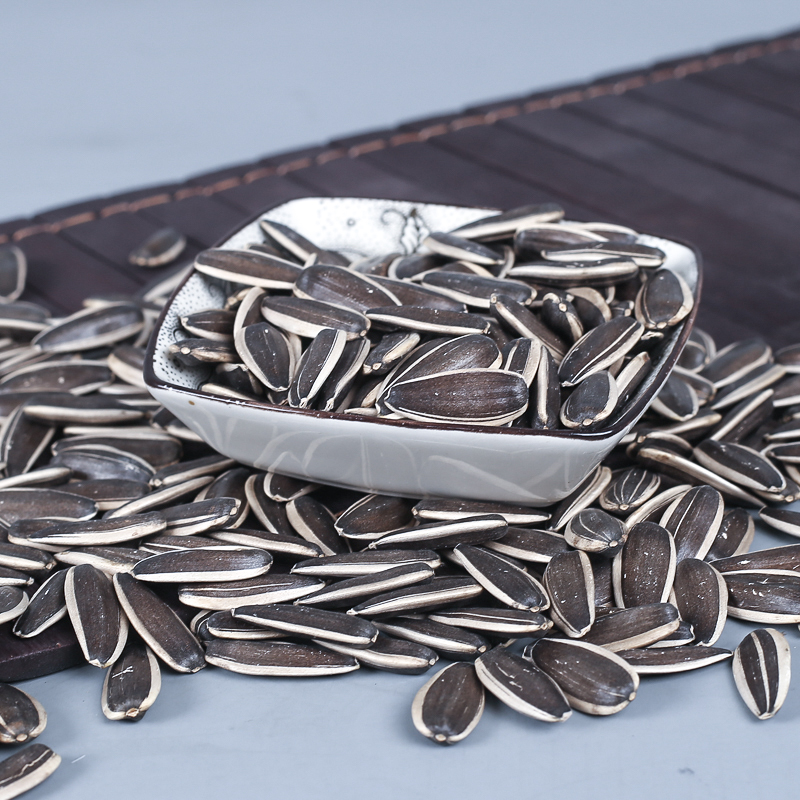
Performance analysis centers around seed quality parameters impacting storage stability and nutritional value. Force analysis relevant to processing includes hull strength (resistance to cracking during dehulling) and kernel hardness (influencing milling and grinding characteristics). Environmental resistance concerns primarily moisture uptake (leading to mold growth) and temperature fluctuations (accelerating lipid oxidation). Compliance requirements are substantial, dictated by importing countries. These include maximum permissible levels of aflatoxins (regulated by the EU, FDA, and other bodies), pesticide residues (subject to MRLs – Maximum Residue Levels), heavy metal contamination (lead, cadmium, mercury), and GM labeling regulations (where applicable). Functional implementation depends on the intended end-use. For direct consumption, seed size, shape, and taste are key attributes. For oil extraction, oil yield and oil quality (acid value, peroxide value, color) are paramount. Engineering controls during processing include precise temperature and humidity control during drying, efficient dehulling systems minimizing kernel damage, and robust packaging solutions ensuring barrier properties. Seed dormancy and germination rates are also critical for maintaining viability if seeds are intended for replanting purposes (though less common in the export market).
Technical Specifications
| Parameter | Unit | Typical Range (Oilseed Variety) | Typical Range (Confectionary Variety) |
|---|---|---|---|
| Oil Content (Dry Basis) | % | 42-52 | 38-45 |
| Kernel Moisture Content | % | 6-8 | 6-8 |
| Kernel Size (Length) | mm | 10-15 | 14-20 |
| Kernel Weight (1000 Kernels) | g | 30-50 | 50-70 |
| Protein Content (Dry Basis) | % | 18-24 | 20-26 |
| Aflatoxin B1 (Maximum) | ppb | < 20 (EU Regulation) | < 20 (EU Regulation) |
Failure Mode & Maintenance
Failure modes for sunflower seeds during storage and transport are diverse. Rancidity, caused by lipid oxidation, is a primary concern, exacerbated by exposure to oxygen, light, and elevated temperatures. This manifests as off-flavors and reduced nutritional value. Mold growth, particularly Aspergillus flavus and Aspergillus parasiticus, leads to aflatoxin contamination, rendering the product unsafe for consumption. Physical damage (cracking, breakage) during handling and transport reduces seed quality and increases susceptibility to insect infestation. Insect infestation (e.g., storage beetles) results in seed weight loss and contamination. Maintenance strategies involve proper storage conditions: low temperature (below 15°C), low humidity (below 65%), and protection from light. Effective pest control measures are essential. Regular monitoring for aflatoxin levels is crucial, particularly in warm, humid climates. Packaging integrity must be maintained throughout the supply chain. Implement a “First-In, First-Out” (FIFO) inventory management system to minimize storage duration. Consider the use of modified atmosphere packaging (MAP) to reduce oxygen levels and extend shelf life. Periodic inspection for physical damage and insect activity is also vital.
Industry FAQ
Q: What is the significance of oleic acid content in sunflower seeds for export markets?
A: Higher oleic acid content translates to improved oxidative stability, meaning the oil is less prone to rancidity during storage and processing. This is highly valued in export markets, particularly those prioritizing long shelf life and minimal processing steps. Seeds with high oleic acid content command a premium price and are preferred by food manufacturers.
Q: How do different drying methods impact the quality of sunflower seeds intended for export?
A: Different drying methods influence seed quality significantly. Forced-air drying is generally preferred as it allows for controlled temperature and airflow, minimizing protein denaturation and oil degradation. Sun-drying is less controllable and can lead to uneven drying and increased risk of mold growth. Hybrid systems combining solar and forced-air drying can offer a cost-effective alternative but require careful monitoring.
Q: What are the key aflatoxin regulations I need to be aware of when exporting sunflower seeds to the European Union?
A: The European Union has strict regulations regarding aflatoxin contamination. Regulation (EC) No 1881/2006 sets maximum levels for total aflatoxins (B1, B2, G1, and G2) in various food products, including sunflower seeds. The maximum permissible level is generally 2 µg/kg for total aflatoxins and 0.1 µg/kg for aflatoxin B1. Regular testing and adherence to good agricultural practices are essential to ensure compliance.
Q: What packaging materials are recommended for maintaining the quality of sunflower seeds during long-distance transport?
A: Multi-layer films incorporating a moisture barrier (e.g., polyethylene), an oxygen barrier (e.g., EVOH – ethylene vinyl alcohol), and a light barrier are recommended. Flexible packaging (e.g., woven polypropylene bags with a polyethylene liner) is commonly used, but vacuum packaging or modified atmosphere packaging (MAP) can further extend shelf life. The packaging must also be robust enough to withstand the rigors of transport.
Q: What documentation is typically required for customs clearance when exporting sunflower seeds?
A: Typical documentation includes a commercial invoice, packing list, bill of lading, certificate of origin, phytosanitary certificate (confirming freedom from pests and diseases), and a certificate of analysis (demonstrating compliance with aflatoxin and pesticide residue limits). Depending on the importing country, additional documentation may be required, such as a health certificate or a certificate of conformity.
Conclusion
Sunflower seed export hinges on a nuanced understanding of both agricultural science and international trade regulations. Maintaining optimal moisture content, minimizing aflatoxin contamination, and preserving oil quality are paramount concerns throughout the supply chain. The increasing demand for high-oleic varieties necessitates investment in breeding programs and specialized processing techniques. Successful exporters prioritize quality control at every stage, from seed selection to packaging and storage.
Future trends suggest a growing focus on sustainable agricultural practices and traceability. Consumers are increasingly demanding transparency regarding the origin and production methods of their food. Implementing robust traceability systems and adopting environmentally friendly farming practices will be crucial for maintaining competitiveness in the global market. Continued research into improved storage technologies and innovative packaging solutions will further enhance the shelf life and quality of exported sunflower seeds.
