Introduction
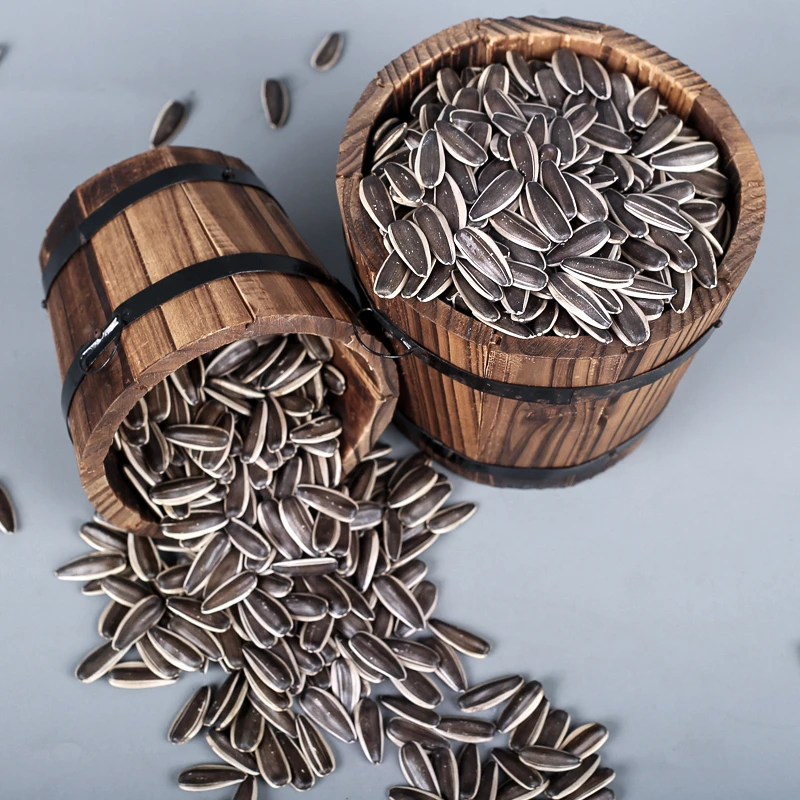
Sunflower seeds, Helianthus annuus, represent a significant agricultural commodity with a global market increasingly influenced by flower exporters diversifying their product portfolios. Historically considered a byproduct of oilseed production, high-quality sunflower seeds, particularly those destined for human consumption and confectionary applications, command premium pricing. This guide focuses on the technical aspects critical to the successful export of sunflower seeds, addressing material science, manufacturing (processing), performance characteristics, potential failure modes, and relevant industry standards. The increasing demand for nutritious snacks and plant-based proteins has spurred a rise in the specialized processing and grading required for export markets, moving beyond basic oilseed quality assessment to stringent parameters focused on kernel integrity, oil content, and absence of contaminants. A primary pain point for exporters is maintaining consistency in these quality metrics across varying harvest seasons and geographical origins, coupled with adhering to evolving international food safety regulations.
Material Science & Manufacturing
The sunflower seed kernel is comprised primarily of lipid (40-50%), protein (20-25%), carbohydrates (15-20%), and fiber (6-8%), with minor components including vitamins and minerals. The lipid composition is crucial, largely consisting of linoleic acid (Omega-6) and oleic acid (Omega-9). Kernel hardness, influenced by genetics and maturation, is a critical property affecting shelling efficiency and overall product quality. The seed coat (hull) consists of cellulose, hemicellulose, and lignin, providing physical protection but posing a challenge during dehulling.
Manufacturing processes begin with harvesting, followed by drying to a moisture content of 8-10% to prevent fungal growth and enzymatic degradation. Drying methods include natural sun drying and forced-air drying. Sun drying, while cost-effective, is susceptible to contamination and inconsistent drying rates. Forced-air drying, utilizing controlled temperature and airflow, provides superior quality control. Dehulling is a crucial step, separating the kernel from the hull. Mechanical dehulling is common, utilizing impact and friction. Parameter control—specifically impact force, surface roughness of the dehulling machinery, and seed moisture content—is critical to minimize kernel damage. Subsequent grading and sorting remove foreign material, broken kernels, and discolored seeds, often employing optical sorters. Finally, seeds are treated with food-grade coatings to enhance shelf-life and protect against oxidation. These coatings typically contain antioxidants like tocopherols (Vitamin E). Improper temperature control during any stage can lead to lipid oxidation, reducing oil quality and generating undesirable flavors.
Performance & Engineering
Sunflower seed performance is largely dictated by its structural integrity and biochemical composition. Kernel strength, assessed via compression testing, dictates its resistance to cracking during handling and processing. The hull’s tensile strength impacts dehulling efficiency and the resulting kernel damage rate. Environmental resistance, specifically moisture absorption, affects shelf life and susceptibility to aflatoxin contamination (a significant concern in warm, humid climates). Packing materials play a crucial role here; moisture barrier properties are paramount. Compliance requirements vary significantly by export destination. The EU, for example, has stringent regulations regarding mycotoxin levels and pesticide residues. Force analysis during mechanical processing (dehulling, sorting) is vital to optimize machinery settings and minimize damage. Finite Element Analysis (FEA) can be used to model stress distribution within the kernel during impact, informing machinery design improvements. Packaging must also withstand stacking loads during transportation and storage, requiring appropriate box compression testing to ensure structural integrity throughout the supply chain.
Technical Specifications
| Parameter | Unit | Grade A Specification | Grade B Specification |
|---|---|---|---|
| Kernel Oil Content | % (Dry Weight Basis) | ≥ 48% | 42-47% |
| Kernel Moisture Content | % | ≤ 8% | 8.1-10% |
| Broken Kernels (by weight) | % | ≤ 2% | 2.1-5% |
| Foreign Material (by weight) | % | ≤ 1% | 1.1-3% |
| Hull Content (by weight) | % | ≤ 5% | 5.1-10% |
| Aflatoxin B1 Level | ppb (parts per billion) | ≤ 2 ppb | 2.1-5 ppb (Regulatory Limits Vary) |
Failure Mode & Maintenance
Sunflower seeds are susceptible to several failure modes. Lipid oxidation, leading to rancidity, is a primary concern. This is accelerated by exposure to oxygen, light, and elevated temperatures. Packaging with oxygen barriers and antioxidant coatings mitigate this. Mechanical damage during processing (dehulling, sorting) causes cracked and broken kernels, reducing market value. Regular inspection and maintenance of processing equipment, including bearing lubrication and impact surface replacement, are crucial. Fungal contamination, particularly by Aspergillus species, results in aflatoxin production. Maintaining low moisture content during storage and employing proper sanitation protocols are essential preventative measures. Insect infestation can also cause significant losses, necessitating pest control measures and hermetically sealed storage. Delamination of the kernel, where the cotyledons separate, occurs due to improper drying or mechanical stress. Proper drying rates and gentle handling minimize this issue. Preventative maintenance includes regular cleaning of processing lines, calibration of sorting equipment, and monitoring of storage conditions (temperature, humidity).
Industry FAQ
Q: What is the impact of different sunflower seed varieties on oil quality and export suitability?
A: Different varieties exhibit variations in fatty acid profiles. High oleic varieties, for example, have increased stability against oxidation, extending shelf life and commanding a premium in certain markets. Linoleic varieties are more susceptible to rancidity. Export suitability depends on the target market’s preference for specific fatty acid compositions and the subsequent processing requirements. A thorough understanding of varietal characteristics is crucial for aligning production with market demands.
Q: How does the dehulling process affect the nutritional value of the sunflower seeds?
A: While dehulling primarily removes the protective hull, improper dehulling can cause kernel damage, leading to nutrient loss. Excessive mechanical stress can rupture cell walls, releasing lipids and antioxidants. Optimizing dehulling parameters – impact force, seed moisture content – minimizes damage and preserves nutritional integrity. Hull fragments remaining on the kernel can also affect the sensory properties and overall acceptability.
Q: What are the key considerations for packaging sunflower seeds for long-term storage and international transport?
A: Packaging must provide excellent moisture and oxygen barriers to prevent rancidity and maintain kernel quality. Materials like multilayer films with aluminum foil or metallized polyester are commonly used. Packaging should also be robust enough to withstand stacking loads during transport and protect against physical damage. Consideration must be given to packaging dimensions to optimize palletization and container loading efficiency. Vacuum packaging or modified atmosphere packaging (MAP) can further extend shelf life.
Q: What are the critical regulatory hurdles for exporting sunflower seeds to the European Union?
A: The EU has stringent regulations regarding mycotoxin levels (aflatoxins are particularly critical), pesticide residues, and heavy metal content. Compliance requires rigorous quality control throughout the production chain, including regular testing and adherence to Good Agricultural Practices (GAP). Traceability is also essential, allowing for rapid recall in case of contamination. Import permits and phytosanitary certificates are also mandatory.
Q: How can we minimize the risk of aflatoxin contamination during sunflower seed production and storage?
A: Minimizing aflatoxin risk requires a multifaceted approach. This includes selecting aflatoxin-resistant varieties, implementing proper harvesting and drying techniques to reduce moisture content rapidly, preventing insect damage (insects can introduce Aspergillus spores), and maintaining hygienic storage conditions. Regular monitoring for aflatoxin levels is essential, and any contaminated batches must be removed from the export stream.
Conclusion
The successful export of sunflower seeds demands a comprehensive understanding of their material science, rigorous process control during manufacturing, and adherence to stringent quality and safety standards. Maintaining optimal kernel integrity, minimizing lipid oxidation, and preventing fungal contamination are paramount. Effective packaging solutions are crucial for preserving product quality throughout the supply chain.
Looking forward, advancements in seed breeding focused on improved oil quality, disease resistance, and dehulling efficiency will further enhance the export potential of sunflower seeds. Continuous improvement in processing technologies, coupled with a proactive approach to regulatory compliance, will be critical for navigating the evolving demands of global markets. The integration of blockchain technology for traceability will provide enhanced transparency and consumer confidence.
