Introduction
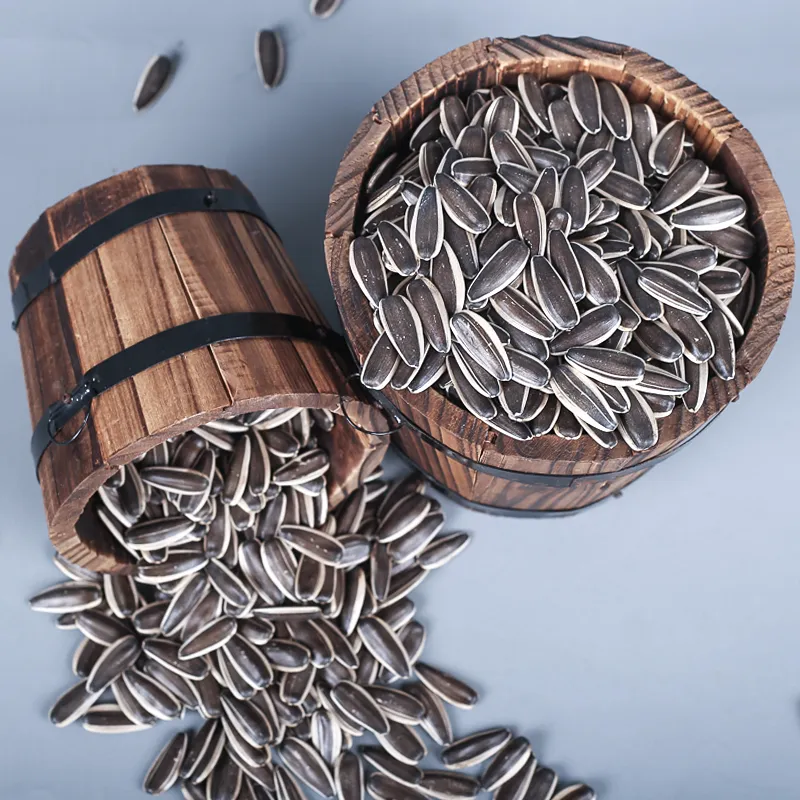
Sunflower seeds ( Helianthus annuus) represent a crucial commodity in the agricultural supply chain, serving as a base material for edible oils, confectionary products, and increasingly, as a source of protein and valuable byproducts. The sunflower supplier industry focuses on the aggregation, processing, and distribution of these seeds, catering to both human consumption and industrial applications. The technical position within the industry chain spans from agronomic practices at the farm level through post-harvest processing (drying, cleaning, dehulling, grading) to final delivery to food manufacturers and oilseed crushers. Core performance characteristics revolve around oil content, protein content, kernel size/weight ratio, moisture content, and the presence of defects impacting processing efficiency and final product quality. Industry pain points include variability in seed quality due to climate fluctuations, efficient moisture control post-harvest to prevent aflatoxin contamination, and maintaining consistent kernel integrity during mechanical processing to maximize oil yield.
Material Science & Manufacturing
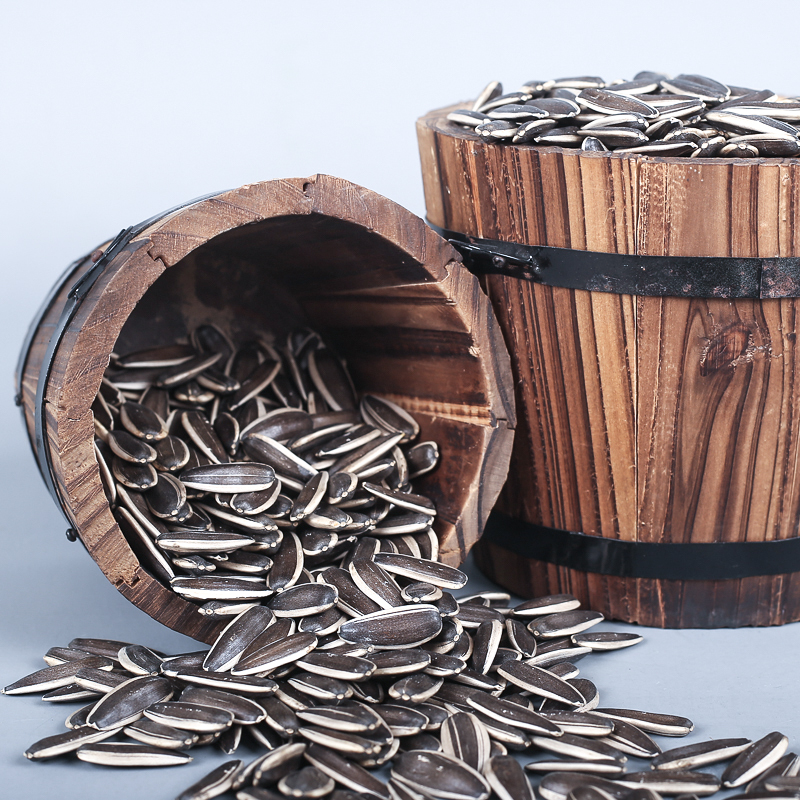
Sunflower seeds are fundamentally composed of a hull (pericarp), kernel (cotyledon), and embryo. The hull comprises cellulose, hemicellulose, and lignin, offering a protective outer layer. The kernel is rich in lipids (primarily linoleic, oleic, and palmitic acids), proteins (globulins and albumin), carbohydrates, and trace minerals. Raw material properties significantly impact processing. Oil content, ranging from 40-60% depending on variety, dictates the efficiency of oil extraction. Moisture content, ideally between 8-10%, is crucial for storability and preventing fungal growth. Manufacturing begins with harvesting, followed by drying to reduce moisture content. This is often achieved using forced-air dryers, requiring precise temperature control (typically below 60°C) to avoid protein denaturation and oil degradation. Cleaning removes debris, while dehulling separates the kernel from the hull. Dehulling efficiency is critical, and parameters such as impact velocity and surface roughness of the dehulling equipment are meticulously controlled. Grading based on kernel size and density follows, utilizing screens and air separators. Finally, the seeds are typically stored in temperature and humidity-controlled silos to prevent spoilage. Chemical compatibility is key – the seeds are vulnerable to oxidation, necessitating storage under inert atmospheres (nitrogen) or with antioxidants.
Performance & Engineering
Performance analysis focuses on resistance to cracking during processing and maintaining oil stability post-extraction. Kernel strength is determined by its composition and moisture content; lower moisture generally increases brittleness. Force analysis during dehulling assesses the impact force required for efficient separation without causing excessive kernel damage. Environmental resistance considerations center around humidity and temperature control. High humidity leads to moisture absorption, promoting fungal growth and aflatoxin production. Temperature fluctuations can induce lipid oxidation, decreasing oil quality. Compliance requirements are stringent, particularly concerning food safety. Aflatoxin levels are regulated by international bodies (see Standards & Regulations). Functional implementation hinges on the intended end-use. For confectionary seeds, kernel size and visual appeal are paramount. For oil production, oil yield and fatty acid profile are critical. The geometry of the seed impacts conveying systems; spherical seeds offer optimal flowability in pneumatic transport systems. Seed coat integrity during conveying and processing directly affects oil purity and byproduct quality. Stress analysis models are used to optimize the design of processing equipment, minimizing kernel damage.
Technical Specifications
| Parameter | Unit | Typical Value (Oilseed Variety) | Typical Value (Confectionary Variety) |
|---|---|---|---|
| Oil Content (Dry Basis) | % | 48-58 | 40-45 |
| Protein Content (Dry Basis) | % | 18-25 | 20-28 |
| Moisture Content | % | 8-10 | 8-10 |
| Kernel Size (Diameter) | mm | 6-8 | 8-12 |
| Kernel Weight (1000 seeds) | g | 3-5 | 5-8 |
| Aflatoxin B1 Level | ppb | <2 ppb (Regulatory Limit) | <2 ppb (Regulatory Limit) |
Failure Mode & Maintenance
Failure modes in sunflower seeds encompass several key areas. Fatigue cracking occurs during dehulling and processing due to repeated impact forces, leading to kernel fragmentation and reduced oil yield. Aflatoxin contamination is a significant concern, caused by fungal growth ( Aspergillus flavus and Aspergillus parasiticus) during improper storage or drying. This is a biochemical degradation process accelerated by high moisture content and temperature. Lipid oxidation leads to rancidity and a decrease in oil quality, triggered by exposure to oxygen, light, and heat. Physical damage (chipping, bruising) during handling and transport reduces market value for confectionary seeds. Maintenance strategies include regular cleaning and sanitization of processing equipment to prevent fungal contamination. Strict moisture control during drying and storage is paramount, employing proper ventilation and temperature monitoring. Implementing antioxidant strategies (Vitamin E addition) can mitigate lipid oxidation. Regular inspection of seeds for visible damage and aflatoxin testing are critical quality control measures. Preventative maintenance on dehulling and grading equipment minimizes kernel damage. Storage facilities should be designed to protect against pests and maintain consistent temperature and humidity.
Industry FAQ
Q: What is the acceptable level of foreign material in sunflower seeds intended for oil extraction?
A: Generally, industry standards allow for a maximum of 1-2% foreign material (stalks, leaves, stones, etc.) in seeds destined for oil extraction. Higher levels can clog processing equipment and reduce extraction efficiency. This is often specified in contractual agreements between suppliers and crushers.
Q: How does seed variety impact oil quality in terms of fatty acid profile?
A: Seed variety significantly influences the fatty acid composition of the resulting oil. High-oleic varieties, for example, contain a greater proportion of oleic acid, leading to increased oxidative stability and longer shelf life. Linoleic varieties are richer in linoleic acid, a precursor to arachidonic acid. Suppliers must provide detailed fatty acid profiles for each lot.
Q: What are the critical parameters for ensuring long-term storage of sunflower seeds?
A: Maintaining low moisture content (below 10%), low temperature (below 20°C), and protection from oxygen and light are crucial. Storage in airtight silos with nitrogen purging is optimal. Regular monitoring of temperature and humidity is essential to detect any potential issues.
Q: What methods are used to detect aflatoxin contamination and what are the regulatory limits?
A: Aflatoxin levels are typically determined using ELISA (Enzyme-Linked Immunosorbent Assay) or HPLC (High-Performance Liquid Chromatography) methods. Regulatory limits vary by country, but generally, the maximum allowable level of total aflatoxins is 2-5 ppb (parts per billion). EU regulations are particularly stringent.
Q: How does the hull percentage affect the overall value of sunflower seeds?
A: A lower hull percentage is generally preferred, particularly for confectionary seeds. The hull contributes minimal nutritional value and increases processing costs. Oilseed varieties typically have a higher hull percentage, while confectionary seeds are bred for lower hull content.
Conclusion
Sunflower seed quality is a complex interplay of agronomic factors, post-harvest processing, and storage conditions. Maintaining optimal moisture content, preventing fungal contamination, and preserving oil stability are paramount for ensuring a high-value product. Suppliers must implement rigorous quality control measures throughout the entire supply chain, from field to final delivery. Adherence to international standards and a deep understanding of the material science underpinning seed degradation are essential for success.
The future of the sunflower supplier industry will likely see increased emphasis on sustainable farming practices, improved seed genetics for enhanced oil content and disease resistance, and the development of more efficient processing technologies. Traceability and transparency will also become increasingly important, allowing consumers and manufacturers to verify the origin and quality of the seeds. Investing in advanced analytical techniques for rapid aflatoxin detection and lipid oxidation analysis will be crucial for maintaining food safety and product quality.
