Introduction
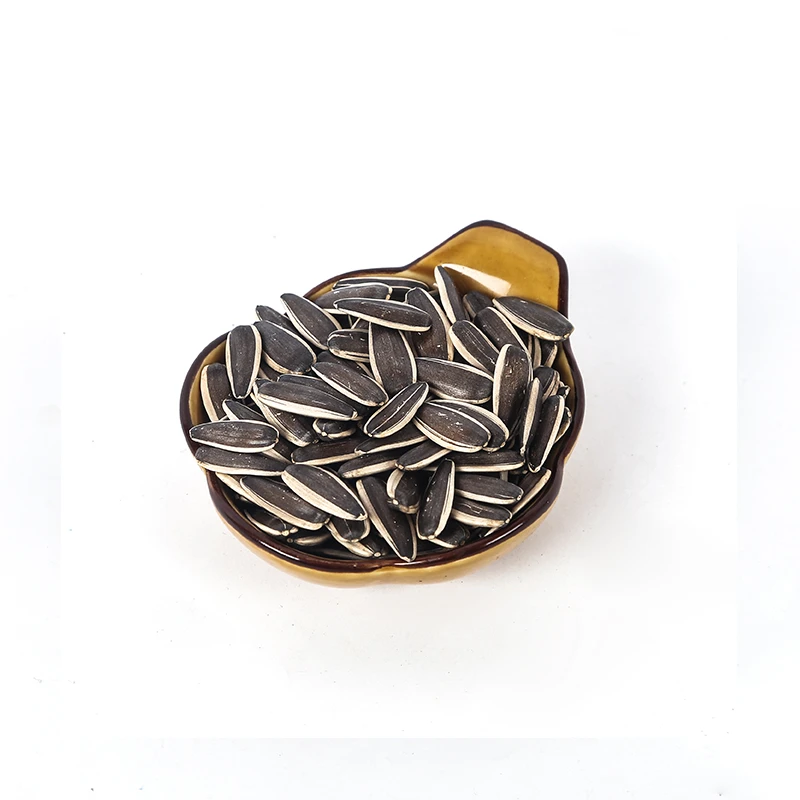
Sunflower seeds ( Helianthus annuus ) represent a critical component within the global edible oilseed and snack food industries. Their technical position in the supply chain begins with agricultural production, transitioning through harvesting, drying, dehulling, grading, and finally, processing for oil extraction or direct consumption. The core performance characteristics defining sunflower seed quality encompass oil content, protein content, fatty acid profile, moisture content, and kernel integrity. Industry challenges center around maximizing oil yield, minimizing mycotoxin contamination, and ensuring consistent seed quality to meet both food safety regulations and consumer demands. Sunflower seed varieties are categorized broadly as confectionary (larger kernel size, often black or striped shells) or oilseed types (smaller kernel size, typically black shells). Understanding these distinctions is crucial for appropriate processing and end-use applications. The increasing focus on sustainability and traceability is driving advancements in precision agriculture and seed genetics, further impacting the industry's technical landscape.
Material Science & Manufacturing
The primary constituent of sunflower seeds is the kernel, comprising approximately 42-53% oil, 20-28% protein, 10-15% carbohydrate, and 5-8% moisture. The oil is predominantly composed of linoleic acid (typically 60-70%), oleic acid (15-30%), and palmitic acid (4-8%). The shell (hull) is largely cellulose and lignin, providing structural protection. Manufacturing begins with harvesting when seed moisture content reaches approximately 18-20%. Drying to 8-9% moisture is crucial to prevent fungal growth and maintain seed viability. This is typically achieved using forced-air drying systems, carefully controlling temperature (typically below 60°C) to minimize protein denaturation and oil quality degradation. Dehulling removes the outer shell, a mechanical process utilizing impact and friction. Key parameters include impeller speed, clearance between rollers, and feed rate. Inefficient dehulling leads to increased hull fragments, reducing oil yield and product quality. Grading separates seeds by size and density, removing foreign matter and damaged kernels. Optical sorters employing near-infrared (NIR) spectroscopy are increasingly used for assessing oil content and detecting contaminants. Oil extraction is primarily performed via mechanical pressing or solvent extraction (typically hexane). Solvent extraction achieves higher oil yield but requires careful solvent recovery and residue management to comply with food safety standards. Protein meal, a byproduct of oil extraction, is often further processed into animal feed. Seed coatings, utilizing polymers and various additives, are employed to improve flowability, protect against insect damage, and enhance germination rates for replanting purposes.
Performance & Engineering
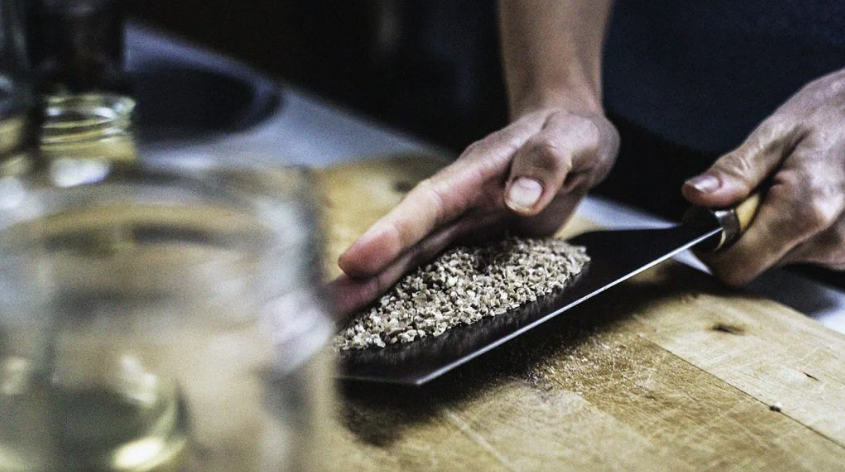
Sunflower seed processing involves significant force analysis, particularly during dehulling and pressing. The impact force during dehulling must be sufficient to fracture the shell without damaging the kernel. This necessitates precise control over impeller speed and impact surface material. During oil pressing, the force applied to the seed mass must be optimized to maximize oil expulsion while minimizing kernel fracturing. Environmental resistance is a critical factor in seed storage. High humidity promotes fungal growth and mycotoxin production (e.g., aflatoxins). Therefore, storage facilities must maintain low humidity (below 65%) and temperature (below 25°C). Packaging materials with low oxygen transmission rates (OTR) and moisture vapor transmission rates (WVTR) are essential for extending shelf life. Compliance requirements include adherence to food safety standards such as HACCP (Hazard Analysis and Critical Control Points) and regulations set by organizations like the FDA (Food and Drug Administration) and EFSA (European Food Safety Authority). Fatty acid profiles are subject to compositional standards, particularly concerning the ratio of linoleic to oleic acid, influencing oil stability and nutritional value. The engineering of dehulling machinery focuses on minimizing kernel damage through optimized impeller design and material selection (e.g., use of abrasion-resistant alloys). Furthermore, efficient hexane recovery systems are engineered to minimize environmental impact and ensure worker safety during solvent extraction.
Technical Specifications
| Parameter | Confectionary Seeds | Oilseed Seeds | Units |
|---|---|---|---|
| Kernel Oil Content | 48-54 | 42-50 | % (dry basis) |
| Kernel Moisture Content | 7-9 | 8-10 | % |
| Kernel Size (Length) | 18-22 | 14-18 | mm |
| Kernel Hulling Percentage | >95 | >90 | % |
| Free Fatty Acid (FFA) | <0.5 | <0.8 | % |
| Peroxide Value | <5 | <10 | meq O2/kg |
Failure Mode & Maintenance
Sunflower seed failure modes encompass several categories. Kernel cracking during dehulling leads to oil loss and reduced processing efficiency. This is often caused by excessive impeller speed or worn impeller surfaces. Fungal contamination, particularly aflatoxin production, is a major concern, especially in humid storage conditions. Preventative maintenance includes regular cleaning and disinfection of storage facilities, coupled with moisture monitoring and temperature control. Oxidation of the oil, resulting in rancidity, is a common degradation pathway. This is accelerated by exposure to oxygen, light, and high temperatures. Proper packaging (vacuum sealing or nitrogen flushing) and antioxidant addition can mitigate oxidation. Delamination of the kernel, separating the cotyledons, reduces oil yield and increases fines during pressing. This can occur due to improper drying or excessive mechanical stress. Regular inspection of dehulling and pressing equipment is crucial to identify and address wear and tear. Furthermore, the accumulation of fines and seed debris within processing equipment can lead to reduced efficiency and increased maintenance requirements. Preventative maintenance schedules should incorporate thorough cleaning and lubrication of all mechanical components. Finally, insect infestation can cause significant seed damage and contamination, requiring integrated pest management strategies including sanitation and appropriate pesticide application where permissible.
Industry FAQ
Q: What is the optimal moisture content for long-term sunflower seed storage, and what are the consequences of exceeding this level?
A: The optimal moisture content for long-term sunflower seed storage is 8-9%. Exceeding this level significantly increases the risk of fungal growth, particularly Aspergillus species which produce aflatoxins. Aflatoxins are potent carcinogens and their presence in sunflower seeds renders them unsuitable for human or animal consumption. Furthermore, higher moisture content promotes seed respiration, leading to heat generation and potential damage to oil quality. Proper drying and monitoring are therefore essential.
Q: How does the choice of solvent (e.g., hexane) impact the quality of sunflower oil extracted, and what measures are taken to ensure solvent residue levels are within regulatory limits?
A: Hexane is the most commonly used solvent for sunflower oil extraction due to its efficiency and relatively low cost. However, residual hexane in the oil is a concern. Highly refined oil undergoes a desolventizing process using steam and vacuum to remove hexane. Gas chromatography (GC) is employed to rigorously monitor hexane residue levels, ensuring they remain below regulatory limits (typically <2 ppm as per FDA and EFSA standards). Alternative, "green" solvents are being explored, but currently face challenges in terms of extraction efficiency and cost-effectiveness.
Q: What are the key differences in processing requirements between confectionary and oilseed sunflower varieties?
A: Confectionary varieties require gentler processing to preserve kernel integrity, as whole kernels are the desired end product. Dehulling parameters (impeller speed, clearance) must be carefully controlled to minimize cracking. Oilseed varieties, on the other hand, prioritize maximizing oil yield, allowing for more aggressive processing. Higher pressing forces and potentially more intensive solvent extraction can be employed. Sorting and grading are also more critical for confectionary seeds to remove damaged or discolored kernels.
Q: How are optical sorters utilizing NIR spectroscopy used to improve sunflower seed quality control?
A: NIR spectroscopy allows for non-destructive analysis of seed composition. Optical sorters equipped with NIR sensors can detect variations in oil content, moisture content, and protein content within individual seeds. This enables the removal of seeds that fall outside specified quality parameters, improving the consistency and overall quality of the final product. They can also identify foreign materials and damaged kernels based on spectral signatures.
Q: What are the implications of varying linoleic to oleic acid ratios in sunflower oil, and how is this controlled during seed selection and processing?
A: The linoleic to oleic acid ratio influences the oil’s stability and nutritional profile. High-linoleic sunflower oil is more prone to oxidation but offers certain health benefits. High-oleic sunflower oil is more stable, with a longer shelf life, and is favored for frying applications. Seed selection plays a primary role in controlling this ratio, with breeders developing varieties with specific fatty acid profiles. Processing conditions, particularly temperature control during oil extraction and refining, must also be optimized to preserve the desired fatty acid composition.
Conclusion
Sunflower seed processing necessitates a comprehensive understanding of material science, mechanical engineering, and food safety principles. Optimizing parameters from initial drying stages through to oil extraction and storage is vital for maximizing yield, preserving oil quality, and meeting stringent regulatory requirements. The increasing demand for sustainable and traceable sunflower seed products is driving innovation in precision agriculture and processing technologies.
Future advancements will likely focus on developing more efficient dehulling techniques, improving solvent recovery systems, and exploring alternative, environmentally friendly solvents. Furthermore, advancements in seed genetics and breeding programs will continue to refine fatty acid profiles and enhance resistance to fungal contamination, ensuring a stable and high-quality supply of sunflower seeds for both edible oil and direct consumption markets.
