Introduction
Sunflower seeds, Helianthus annuus, represent a critical agricultural commodity and a cornerstone of the edible oil and snack food industries. Within a sunflower factory context, these seeds transition from a raw agricultural product to a processed good, undergoing a series of stages including dehulling, drying, grading, and often further processing into oil or roasted kernels. The technical position of sunflower seeds lies at the intersection of agricultural engineering, food science, and mechanical processing. Core performance metrics revolve around oil yield, protein content, hulling efficiency, seed integrity (minimizing broken kernels), and overall product purity. Industry pain points include consistent seed quality from varying agricultural sources, optimizing processing parameters to maximize yield while preserving nutritional value, and ensuring compliance with stringent food safety regulations regarding aflatoxins and other contaminants. This guide provides a comprehensive technical overview of sunflower seeds within the industrial processing environment.
Material Science & Manufacturing
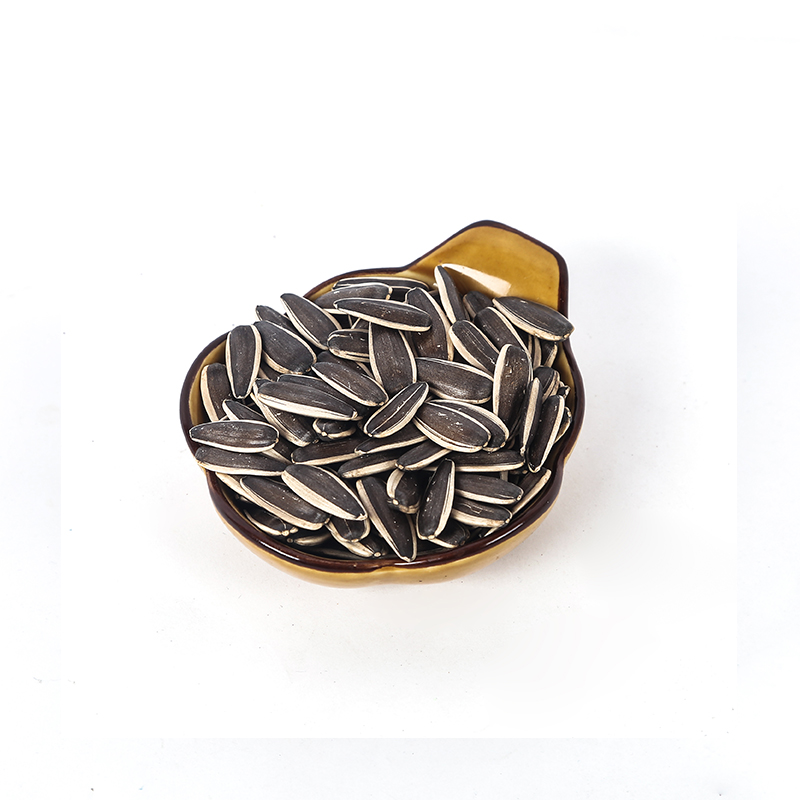
Sunflower seeds are biologically complex, consisting of a hull (pericarp), kernel (cotyledons), and embryo. The hull, primarily composed of cellulose and lignin, contributes significantly to seed weight (typically 20-50%) and requires efficient removal during dehulling. The kernel’s composition is dominated by lipids (40-60%), proteins (18-25%), carbohydrates (10-20%), and fiber. The lipid profile is key; linoleic acid is the predominant fatty acid, but oleic acid content varies significantly between cultivars – high-oleic varieties are increasingly preferred for their improved oxidative stability. Manufacturing begins with harvesting, followed by drying to a moisture content of approximately 9-10% to prevent fungal growth and facilitate storage. Dehulling is commonly achieved through impact dehullers or roller dehullers, where controlled mechanical force separates the hull from the kernel. Parameter control is critical: impact speed, roller gap, and feed rate directly influence dehulling efficiency and kernel damage. Subsequent grading separates kernels by size and density, removing foreign material. Thermoforming – roasting – is frequently employed to enhance flavor and reduce moisture content further. Roasting temperature and time are carefully controlled to prevent rancidity and maintain optimal flavor profiles. Moisture content is a critical parameter throughout the entire process, directly impacting oil yield and product stability. Pre-heating stages are often incorporated for uniform roasting to prevent surface burning.
Performance & Engineering
The performance of sunflower seed processing is dictated by several engineering considerations. Force analysis during dehulling requires understanding the tensile strength of the hull-kernel interface and the compressive strength of the kernel itself. Excessive force leads to kernel breakage, reducing yield and quality. Environmental resistance, particularly moisture ingress, is a significant concern during storage; controlling humidity and temperature is crucial to prevent mold growth and aflatoxin contamination. Compliance requirements are stringent, adhering to regulations set by food safety authorities concerning pesticide residues, heavy metal content, and microbiological contamination. Functional implementation of quality control relies heavily on optical sorting technologies, employing near-infrared spectroscopy (NIR) to assess oil content and detect foreign materials. Furthermore, the design of processing equipment must account for the abrasive nature of sunflower seeds and hulls, selecting materials with high wear resistance (e.g., hardened steel, ceramic coatings). Dust control is also a critical engineering challenge, as sunflower dust is combustible and poses a potential explosion hazard. Static electricity build-up during processing must be mitigated through grounding and humidity control. Finally, energy efficiency in drying and roasting processes represents a major cost optimization opportunity; heat recovery systems and efficient burner technologies are increasingly employed.
Technical Specifications
| Parameter | Unit | Typical Value (Standard Cultivar) | Typical Value (High Oleic) |
|---|---|---|---|
| Oil Content | % (dry weight) | 42-50 | 50-58 |
| Protein Content | % (dry weight) | 18-25 | 20-28 |
| Moisture Content (Post-Harvest) | % | 9-10 | 9-10 |
| Hull Percentage | % | 20-50 | 20-50 |
| Linoleic Acid Content | % of total fatty acids | 50-70 | <20 |
| Oleic Acid Content | % of total fatty acids | 20-40 | 60-80 |
Failure Mode & Maintenance
Failure modes in sunflower seed processing are diverse. Fatigue cracking can occur in dehulling rollers due to repeated impact loading. Delamination of protective coatings on processing equipment exposes underlying materials to corrosion. Degradation of conveyor belts occurs due to abrasion from seed and hull materials. Oxidation of oils during roasting leads to rancidity and reduced product shelf life. Aflatoxin contamination, caused by fungal growth during improper storage, represents a critical food safety failure. Maintenance solutions include regular inspection and replacement of worn rollers and belts. Implementing a preventative maintenance schedule for lubrication and alignment of machinery is crucial. Strict adherence to temperature and humidity control during storage minimizes fungal growth. Regular cleaning of processing equipment prevents dust accumulation and reduces the risk of fire or explosion. Periodic oil analysis identifies the onset of oxidation, allowing for adjustments to roasting parameters. In the event of aflatoxin contamination, affected batches must be removed from the supply chain, and rigorous cleaning and disinfection protocols implemented. Non-destructive testing methods, such as ultrasonic inspection, can identify hidden cracks in rollers before catastrophic failure occurs.
Industry FAQ
Q: What is the optimal moisture content for sunflower seeds entering the dehulling process, and why is it critical?
A: The optimal moisture content for dehulling is typically between 9-10%. Lower moisture levels make the hulls excessively brittle, leading to increased kernel breakage. Higher moisture content increases hull adhesion, reducing dehulling efficiency and potentially causing clogging of the machinery. Maintaining this range ensures a balance between efficient hull removal and minimal kernel damage, maximizing yield and product quality.
Q: How do high-oleic sunflower seeds differ in processing requirements compared to standard linoleic varieties?
A: High-oleic seeds exhibit greater oxidative stability, allowing for higher roasting temperatures and longer storage durations without significant rancidity development. This can translate to increased throughput in roasting operations and reduced product loss due to spoilage. However, processing parameters still require careful monitoring to prevent thermal degradation of essential fatty acids and maintain optimal flavor profiles.
Q: What are the key preventative measures to mitigate the risk of aflatoxin contamination in sunflower seed processing?
A: Preventative measures include sourcing seeds from reputable suppliers with robust quality control programs, ensuring proper drying to reduce moisture content below 10% before storage, maintaining strict temperature and humidity control in storage facilities, regular inspection for fungal growth, and implementing effective cleaning and sanitation protocols throughout the processing line. Rapid testing methods for aflatoxin detection should also be employed.
Q: What is the expected lifespan of dehulling rollers under continuous industrial operation, and what maintenance is recommended?
A: The lifespan of dehulling rollers varies depending on seed quality and operating conditions, but typically ranges from 500 to 1500 operating hours. Recommended maintenance includes daily visual inspection for cracks and wear, regular cleaning to remove seed debris, periodic lubrication of bearings, and realignment to ensure even force distribution. Scheduled replacement of rollers based on wear measurements is essential to prevent catastrophic failure and maintain dehulling efficiency.
Q: What role does optical sorting play in ensuring product purity and quality control, and what parameters are typically assessed?
A: Optical sorting utilizes cameras and image processing algorithms to identify and remove foreign materials (stones, sticks, damaged kernels) and defects based on color, size, shape, and spectral characteristics. Parameters typically assessed include oil content (using NIR spectroscopy), kernel size, hulling completeness, and the presence of discolored or damaged kernels. This technology significantly improves product purity, enhances visual appeal, and minimizes the risk of contamination.
Conclusion
Sunflower seed processing within a factory environment represents a complex interplay of agricultural science, mechanical engineering, and food safety principles. Optimizing performance requires a thorough understanding of seed composition, meticulous control of processing parameters, and proactive implementation of preventative maintenance programs. The shift towards high-oleic varieties necessitates adaptation of processing techniques to leverage their enhanced oxidative stability, while simultaneously maintaining product quality and flavor.
Future advancements will likely focus on enhanced optical sorting technologies capable of detecting subtle variations in seed quality, development of more energy-efficient drying and roasting systems, and implementation of predictive maintenance strategies utilizing sensor data and machine learning algorithms. Furthermore, continued research into breeding programs aimed at improving seed characteristics (e.g., hullability, oil content) will contribute to increased processing efficiency and enhanced product value.
