Introduction
Sunflower seeds, Helianthus annuus, represent a critical component within the broader edible oilseed and confectionary industries. Sunflower factories, specializing in seed processing, are integral to the agricultural supply chain, transforming raw agricultural product into commercially viable goods. This technical guide details the intricacies of sunflower seed quality, processing parameters, performance characteristics, potential failure modes, and relevant industry standards. The core performance attributes of sunflower seeds—oil content, protein composition, hull percentage, and moisture content—directly impact processing efficiency, oil yield, and the quality of finished products like oil, meal, and roasted seeds. Addressing industry pain points such as seed variability, aflatoxin contamination, and efficient hull removal is paramount for successful factory operation and product consistency.
Material Science & Manufacturing
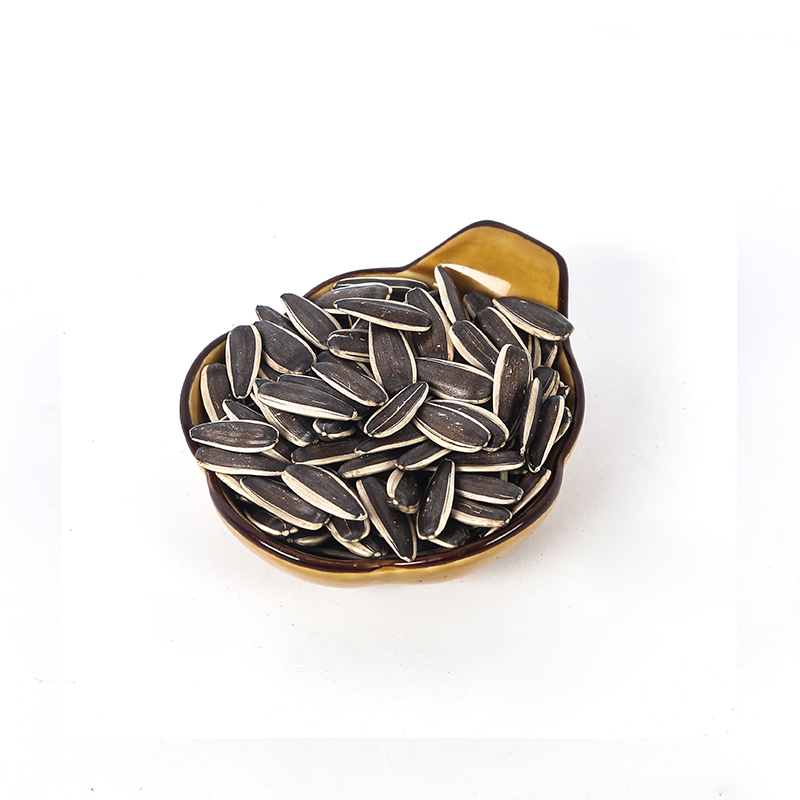
Sunflower seeds are complex biological structures composed primarily of oil (35-55%), protein (18-25%), carbohydrates (15-20%), and fiber (5-10%), encased within a hull or pericarp (20-30%). The oil is rich in linoleic acid, an essential fatty acid. Seed composition varies significantly based on genetics, growing conditions (soil composition, climate, irrigation), and harvesting practices. Manufacturing processes typically involve cleaning, dehulling, drying, and oil extraction. Cleaning removes foreign materials (stalks, leaves, stones). Dehulling, often mechanical via impact and abrasion, separates the kernel from the hull – a critical step influencing oil yield and flavor. Drying reduces moisture content to approximately 8-9% to prevent microbial growth and optimize oil extraction. Oil extraction utilizes mechanical pressing (expelling) or solvent extraction (typically hexane). Solvent extraction achieves higher oil yields but requires stringent solvent recovery systems. Key parameter control during drying is essential; excessive temperatures lead to protein denaturation and reduced oil quality, while insufficient drying promotes mold growth. Hulling efficiency is dependent on seed moisture content and the design of the huller; optimal moisture levels minimize kernel damage.
Performance & Engineering
Performance assessment of sunflower seed processing centers around energy efficiency, material balance, and product quality. Force analysis is crucial in equipment design, particularly in dehulling and pressing operations. Hulling machines require understanding the fracture mechanics of the hull and kernel to minimize damage. Pressing operations involve analyzing compressive forces and shear stresses on the seed mass to maximize oil extraction. Environmental resistance pertains primarily to storage stability; seeds are susceptible to oxidation, rancidity, and insect infestation. Effective storage requires controlled temperature (below 15°C) and humidity (below 65%). Compliance requirements include adherence to food safety standards (HACCP), solvent residue limits (if solvent extraction is used), and aflatoxin regulations. Functional implementation of quality control involves continuous monitoring of oil content, free fatty acids, peroxide value, and moisture content throughout the process. Aflatoxin testing, utilizing ELISA or HPLC methods, is paramount to ensure product safety, especially in regions prone to Aspergillus flavus contamination. The structural integrity of seed processing equipment (hoppers, conveyors, presses) is also critical, requiring regular inspections and preventative maintenance to avoid downtime and contamination.
Technical Specifications
| Parameter | Unit | Typical Range | Testing Method |
|---|---|---|---|
| Oil Content | % (Dry Weight Basis) | 40-55 | Soxhlet Extraction (AOCS Official Method) |
| Protein Content | % (Dry Weight Basis) | 18-25 | Kjeldahl Method (AOCS Official Method) |
| Moisture Content | % | 8-10 | Oven Drying (AOCS Official Method) |
| Hull Percentage | % | 20-30 | Visual Separation & Weighting |
| Free Fatty Acids (FFA) | % Oleic Acid | <0.5 | Titration (AOCS Official Method) |
| Peroxide Value (PV) | meq O2/kg | <10 | Iodometric Titration (AOCS Official Method) |
Failure Mode & Maintenance
Failure modes in sunflower seed processing are diverse. Mechanical failures include bearing failures in dehulling machines (due to abrasive seed material and impact loading), press screw wear (due to high pressures and seed friction), and conveyor belt damage (due to seed abrasion). Process-related failures include incomplete dehulling (leading to lower oil yield and flavor issues), inconsistent drying (resulting in mold growth or degraded oil quality), and solvent leaks (in solvent extraction plants). Degradation of seed oil can occur due to oxidation, leading to rancidity and reduced nutritional value. Aflatoxin contamination represents a critical failure mode impacting food safety and marketability. Preventative maintenance is essential. This includes regular lubrication of moving parts, inspection and replacement of worn bearings, belt tensioning and alignment, calibration of moisture sensors, and leak detection in solvent extraction systems. Periodic cleaning of equipment minimizes seed buildup and prevents microbial growth. Routine aflatoxin testing and implementation of effective storage practices (temperature and humidity control) are crucial for preventing contamination. Regular visual inspections for cracks or damage to processing equipment are also necessary.
Industry FAQ
Q: What is the impact of seed variety on oil yield and quality?
A: Seed variety significantly influences oil content, fatty acid profile, and the presence of minor components affecting oil stability. High oleic varieties, for example, exhibit greater oxidative stability and longer shelf life compared to linoleic varieties. Choosing the appropriate variety based on desired oil characteristics is crucial for optimizing product quality.
Q: How does moisture content affect the efficiency of the dehulling process?
A: Optimal moisture content (typically 9-11%) is critical for efficient dehulling. Too low, and the hulls become brittle and shatter, increasing kernel damage. Too high, and the hulls become pliable, making separation difficult and leading to increased hull percentage in the finished product.
Q: What are the critical control points for preventing aflatoxin contamination?
A: Critical control points include proper drying of seeds to below 9% moisture, minimizing pre-harvest contamination through effective field management practices, maintaining clean storage facilities, and regular aflatoxin testing throughout the processing chain. Rapid detection and rejection of contaminated batches are essential.
Q: What are the best practices for solvent recovery in hexane extraction plants?
A: Efficient solvent recovery is paramount for economic viability and environmental responsibility. Best practices include multi-stage solvent evaporation, condensation systems with effective cooling, leak detection and repair programs, and adherence to strict regulatory limits for solvent residues in the final product.
Q: How can we minimize energy consumption in sunflower seed processing?
A: Energy consumption can be minimized through optimized drying processes (utilizing heat recovery systems), efficient motor selection and operation, proper insulation of equipment, and implementation of variable frequency drives (VFDs) for controlling fan and pump speeds.
Conclusion
Sunflower seed processing demands a comprehensive understanding of material science, engineering principles, and quality control protocols. Optimizing parameters such as moisture content, temperature, and mechanical forces is critical for maximizing oil yield, ensuring product safety, and minimizing operational costs. Continuous monitoring of key performance indicators, coupled with proactive maintenance programs, is essential for maintaining consistent product quality and preventing costly downtime.
Future trends in sunflower seed processing will likely focus on sustainable practices, including energy efficiency improvements, waste valorization (utilizing hulls and meal for animal feed or biofuel production), and the development of novel extraction technologies to reduce solvent usage and environmental impact. Investing in advanced analytical techniques for rapid aflatoxin detection and improved seed grading systems will further enhance product safety and quality.
