Introduction
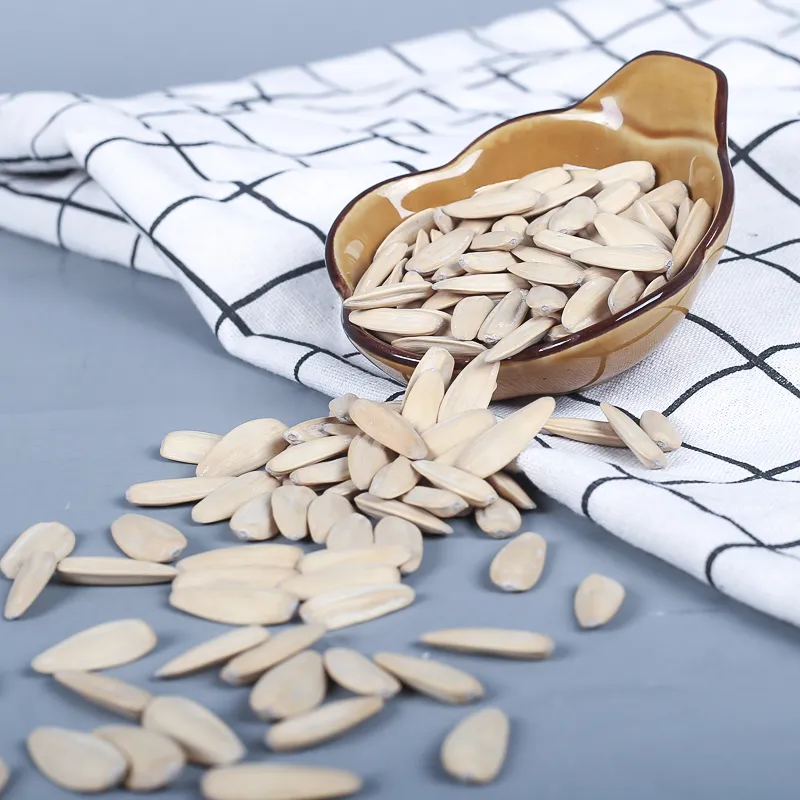
Sunflower seeds ( Helianthus annuus ) represent a significant commodity in global agricultural trade, particularly for exporting nations. Their position within the food and oilseed industry chain is pivotal, serving as a primary source of vegetable oil, protein-rich animal feed, and a direct human food product. The quality of sunflower seeds for export is defined by several critical parameters, including oil content, kernel size and weight, moisture levels, and the presence of foreign matter. Sunflower seed exporters face constant pressure to optimize yield, maintain consistent quality to meet international standards, and minimize post-harvest losses. This guide provides a detailed technical overview of sunflower seed characteristics, production, quality control, and potential failure modes relevant to exporters navigating the global market. It is intended for procurement managers, quality assurance engineers, and agricultural specialists involved in the sunflower seed supply chain.
Material Science & Manufacturing
Sunflower seeds are composed of a complex array of biological materials. The kernel, the edible portion, primarily consists of approximately 40-55% oil, 20-30% protein, 10-20% carbohydrates, and a smaller percentage of fiber, vitamins, and minerals. The oil is predominantly linoleic acid (omega-6 fatty acid), with varying levels of oleic acid depending on the sunflower variety. The shell (hull) is composed of cellulose, hemicellulose, and lignin, providing structural protection. Manufacturing, in this context, refers to the post-harvest processing – drying, cleaning, dehulling (optional), grading, and storage. Drying is critical, typically employing forced-air systems to reduce moisture content to 8-10% to inhibit mold growth and enzymatic activity. Moisture content is tightly controlled as it directly impacts seed longevity and oil quality. Cleaning involves separating seeds from chaff, stems, leaves, and other foreign materials using sieves, aspirators, and gravity separators. Dehulling, while not always performed pre-export, removes the shell, increasing the oil concentration and improving palatability. Parameter control during drying is paramount. Temperature must be maintained below 45°C to prevent protein denaturation and oil oxidation. Airflow velocity and seed bed depth are also crucial for uniform drying. Seed cracking during dehulling needs meticulous adjustment of roller settings to minimize kernel damage. The genetic variety of sunflower seeds (high-oleic, mid-oleic, linoleic) dictates their chemical composition and end-use suitability, influencing manufacturing decisions.
Performance & Engineering
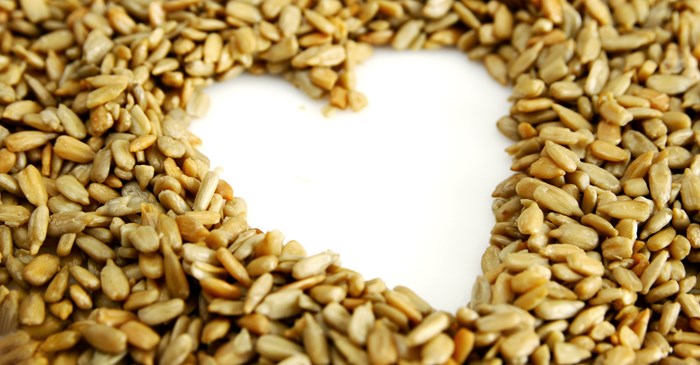
The performance of sunflower seeds, from a logistical and export perspective, centers around maintaining quality during handling, transportation, and storage. Force analysis is relevant to understanding seed breakage during handling. Impact resistance is a key factor, especially during bulk loading and unloading. Kernel strength is influenced by protein content and moisture levels. Environmental resistance focuses on protecting seeds from temperature fluctuations, humidity, and pest infestation. High temperatures accelerate lipid oxidation, leading to rancidity and reduced oil quality. High humidity promotes mold growth and mycotoxin contamination. Engineering solutions involve optimized packaging (e.g., breathable bags to manage moisture) and controlled atmosphere storage (reducing oxygen levels to inhibit oxidation and pest activity). Compliance requirements are stringent, dictated by importing country regulations concerning pesticide residues, mycotoxin levels (aflatoxins, ochratoxins), and genetically modified organisms (GMOs). The oil expulsion rate (percentage of oil extracted from the kernel) is a crucial functional implementation detail; higher expulsion rates indicate superior seed quality and are frequently stipulated in export contracts. Understanding seed density is essential for efficient packing and transportation optimization to maximize cargo volume within container limits.
Technical Specifications
| Parameter | Unit | Typical Range (Export Grade) | Testing Method |
|---|---|---|---|
| Oil Content (Dry Basis) | % | 46 – 58 | Soxhlet Extraction (AOCS Official Method) |
| Moisture Content | % | 8 – 10 | Oven Drying (AACC Method 915.1) |
| Kernel Size (Screen Size) | mm | 16/64 inch (US Standard) | Sieve Analysis |
| Foreign Matter | % | ≤ 2 | Visual Inspection & Sorting |
| Damaged Kernels (Broken, Discolored) | % | ≤ 5 | Visual Inspection |
| Acid Value | mg KOH/g | ≤ 1.5 | Titration (AOCS Official Method) |
Failure Mode & Maintenance
Sunflower seed failure modes during export and storage are diverse. Fatigue cracking of the kernel can occur during handling and transportation due to repeated stress. Delamination of the kernel can result from improper drying or temperature fluctuations. Lipid oxidation is a primary degradation mechanism, leading to rancidity and a decline in oil quality. This is exacerbated by exposure to oxygen, light, and high temperatures. Mycotoxin contamination, particularly aflatoxin produced by Aspergillus species, is a significant concern in humid environments. Insect infestation (e.g., storage beetles) can cause significant losses and contaminate the product. Maintenance strategies focus on proactive measures. Proper drying and cleaning are essential preventative steps. Controlled atmosphere storage (nitrogen flushing) can minimize oxidation. Regular monitoring of moisture content and temperature is crucial. Implementing a robust pest management program (including sanitation and appropriate insecticides if permitted by regulations) is vital. Packaging materials should be selected for their moisture barrier properties and resistance to mechanical damage. First-in, first-out (FIFO) inventory management minimizes storage time and reduces the risk of deterioration. For exporters, a comprehensive quality control program with regular lab testing for oil content, moisture, and mycotoxins is non-negotiable.
Industry FAQ
Q: What are the key differences between high-oleic and linoleic sunflower seeds, and how does this impact export markets?
A: High-oleic sunflower seeds contain a significantly higher proportion of oleic acid (typically >70%) compared to linoleic seeds (typically >60% linoleic acid). This impacts their stability, shelf life, and suitability for different applications. High-oleic oil is more resistant to oxidation and is preferred for frying and high-temperature cooking. Linoleic oil is often used in salad oils and margarines. Export markets are segmented based on these preferences; some regions demand high-oleic varieties due to health concerns or processing advantages, while others continue to utilize linoleic seeds.
Q: How do varying moisture content levels impact the shipping and storage of sunflower seeds, and what are the acceptable limits?
A: Moisture content is arguably the most critical factor affecting seed quality during shipping and storage. High moisture content (>10%) promotes mold growth, mycotoxin production, and enzymatic degradation, leading to spoilage and rejection. Low moisture content (<8%) can cause the seeds to become brittle and prone to breakage during handling. The acceptable limit for export is generally 8-10%, but specific requirements vary by importing country. Proper drying and moisture monitoring throughout the supply chain are essential.
Q: What are the major international regulations regarding mycotoxin levels (specifically aflatoxins) in sunflower seeds intended for human consumption?
A: Regulations regarding aflatoxins vary significantly between countries. The European Union has strict limits (typically 2 µg/kg for total aflatoxins). The United States follows FDA guidelines, also with strict limits. Many Asian and African countries have adopted similar, but sometimes less stringent, regulations. Exporters must be aware of the specific regulations for each target market and implement testing protocols to ensure compliance. Regular testing is paramount and requires accredited laboratories.
Q: How does the presence of genetically modified (GM) sunflower seeds affect export opportunities, and what labeling requirements exist?
A: The acceptance of GM sunflower seeds varies globally. The European Union has stringent regulations and requires clear labeling of GM products. Many other countries also require labeling or have restrictions on GM imports. Exporters must accurately determine the GM status of their seeds and comply with all relevant labeling requirements. Documentation proving non-GM status is often necessary for access to certain markets.
Q: What are the best practices for packaging sunflower seeds for bulk export to minimize damage and contamination during transit?
A: Best practices include using high-quality, breathable polypropylene bags that allow for moisture vapor transmission while protecting against physical damage. Bags should be properly sealed and palletized, with secure strapping to prevent shifting during transit. Consider using inner liners for additional protection against moisture and contamination. Storing pallets in a dry, well-ventilated area is also crucial. Container loading should be carefully planned to distribute weight evenly and avoid crushing the lower layers of bags.
Conclusion
Sunflower seed export is a complex operation requiring meticulous attention to detail, from post-harvest processing to storage and transportation. Maintaining consistently high quality, adhering to stringent international standards, and mitigating potential failure modes are paramount for success. The technical parameters outlined in this guide – oil content, moisture levels, kernel size, and the absence of contaminants – directly impact marketability and profitability.
Looking ahead, advancements in seed breeding (e.g., developing varieties with increased pest resistance and improved oil profiles) and post-harvest technologies (e.g., more efficient drying systems and advanced quality control methods) will be crucial for meeting evolving market demands. Proactive risk management, including robust quality assurance programs and a thorough understanding of importing country regulations, will remain essential for sunflower seed exporters to thrive in a competitive global landscape.
