Introduction
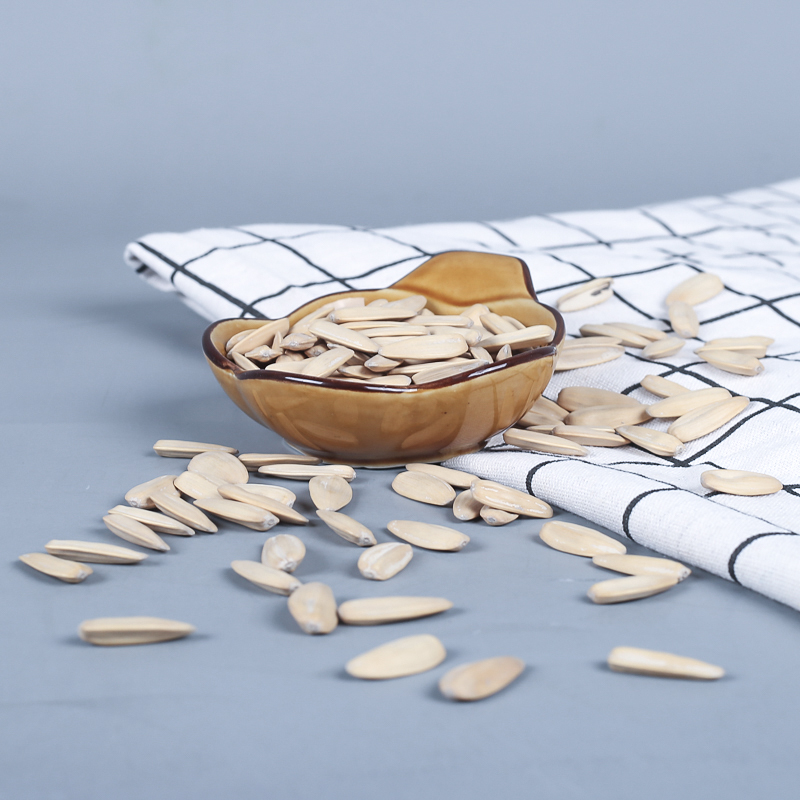
Sunflower seeds ( Helianthus annuus ) represent a significant agricultural commodity within the global oilseed market. This technical guide focuses on the key considerations for sunflower seed exporters, encompassing quality control, seed composition analysis, and international trade standards. Sunflower seeds are positioned as a crucial intermediate product, primarily processed for oil extraction, confectionary uses (direct consumption), and increasingly, as a protein source. The variability in seed quality – influenced by genetics, growing conditions, and post-harvest handling – directly impacts oil yield, protein content, and overall market value. Understanding these parameters is paramount for maintaining competitiveness in the global export market. Key performance characteristics include oil content (typically 40-50%), protein content (18-25%), moisture content (below 10%), and freedom from contaminants such as foreign matter and mycotoxins. The increasing demand for high-oleic sunflower oil, driven by health concerns and enhanced oxidative stability, necessitates specialized seed varieties and precise quality control measures. The following sections will delve into the material science, manufacturing processes, performance criteria, failure modes, and regulatory landscape associated with sunflower seed export.
Material Science & Manufacturing
Sunflower seed composition is determined by its three primary components: the kernel, the hull (or husk), and the embryo. The kernel comprises the majority of the seed's mass and contains the oil bodies (oleosomes) and protein structures. The hull provides physical protection during growth and transport and is primarily composed of cellulose, hemicellulose, and lignin. The embryo is responsible for germination and contains essential nutrients. The oil within the kernel is a complex mixture of triglycerides, with linoleic acid (omega-6) and oleic acid (omega-9) being the predominant fatty acids. Seed varieties are categorized based on their fatty acid profile: linoleic (conventional) and high-oleic.
Manufacturing processes begin with harvesting, typically employing combine harvesters equipped with seed-cleaning mechanisms. Post-harvest processing includes cleaning, drying, dehulling (for confectionary seeds), grading, and sorting. Drying is critical to reduce moisture content to below 10%, preventing fungal growth and lipid oxidation. Drying methods include ambient air drying, forced-air drying, and fluid-bed drying. Precise temperature control during drying (typically below 45°C) is essential to preserve oil quality and prevent protein denaturation. Dehulling removes the protective hull, improving appearance and palatability for direct consumption. Grading and sorting classify seeds based on size, shape, color, and the presence of foreign material. Optical sorting technologies are increasingly utilized for precise quality control. Seed treatment with fungicides and insecticides may be applied to protect against storage pests and diseases, adhering to maximum residue limits (MRLs) specified by importing countries. Parameter control during these stages relies heavily on moisture meters, seed counters, and color sorters calibrated to specific industry standards. The genetic origin of the seed also significantly influences oil yield and fatty acid profile, making traceability vital.
Performance & Engineering
The performance of sunflower seeds, from a technical standpoint, is directly related to their physical and chemical properties, and their ability to withstand storage and transport stresses. Force analysis during handling – loading, unloading, and transportation – must consider seed strength and resistance to cracking. Sunflower seeds, while relatively robust, are susceptible to damage from impact and compression. Kernel breakage directly reduces oil yield and increases processing inefficiencies. Environmental resistance is a crucial factor. High humidity during storage promotes fungal growth and mycotoxin production (aflatoxins, in particular), rendering the seeds unsuitable for consumption. Temperature fluctuations also accelerate lipid oxidation, reducing oil quality. Proper ventilation and temperature control within storage facilities are therefore critical.
Compliance requirements vary significantly by importing country. The European Union (EU) has stringent regulations regarding mycotoxin levels, pesticide residues, and genetically modified organisms (GMOs). The United States Department of Agriculture (USDA) sets standards for seed quality and grading. Codex Alimentarius, a joint FAO/WHO initiative, establishes international food standards. The functional implementation of quality control systems relies on robust sampling procedures and analytical techniques, including gas chromatography for fatty acid profile analysis, spectrophotometry for oil content determination, and ELISA tests for mycotoxin detection. Ensuring traceability throughout the supply chain—from farm to export—is essential for demonstrating compliance and responding to potential food safety concerns. Seed size and weight distribution are also engineered characteristics that influence efficient processing and oil extraction rates.
Technical Specifications
| Parameter | Unit | Conventional Seeds | High-Oleic Seeds |
|---|---|---|---|
| Oil Content (Dry Basis) | % | 44-48 | 48-52 |
| Protein Content (Dry Basis) | % | 18-22 | 20-24 |
| Moisture Content | % | < 10 | < 10 |
| Linoleic Acid Content | % of Total Fatty Acids | 55-70 | < 10 |
| Oleic Acid Content | % of Total Fatty Acids | 20-40 | 70-85 |
| Kernel Size (Diameter) | mm | 8-12 | 8-12 |
Failure Mode & Maintenance
Sunflower seeds are susceptible to several failure modes during storage and transportation. The most common is lipid oxidation, leading to rancidity and reduced oil quality. This is accelerated by exposure to oxygen, light, and elevated temperatures. Another significant failure mode is fungal contamination, resulting in mycotoxin production. Aflatoxins, produced by Aspergillus species, are particularly problematic. Physical damage, such as kernel cracking, can occur during handling and transport, increasing susceptibility to insect infestation and microbial spoilage. Insect infestation, by storage pests like the sunflower weevil (Smicronyx spp.), can lead to significant weight loss and seed damage.
Maintenance strategies focus on preventative measures. Proper drying to reduce moisture content is crucial. Storage facilities should be well-ventilated, clean, and pest-controlled. The use of modified atmosphere storage (MAS), involving controlled oxygen and carbon dioxide levels, can inhibit fungal growth and insect activity. Regular monitoring for temperature, humidity, and pest presence is essential. The implementation of a First-In, First-Out (FIFO) inventory management system minimizes storage time. For damaged seeds, sorting and removal are necessary to prevent further contamination. Preventive treatments with approved insecticides and fungicides may be used, but MRLs must be strictly adhered to. Regular quality control testing for mycotoxins and oil quality is vital to identify and address potential problems before export.
Industry FAQ
Q: What is the acceptable level of aflatoxin in sunflower seeds for export to the European Union?
A: The EU sets strict limits for aflatoxin B1 (2 µg/kg) and total aflatoxins (4 µg/kg) in sunflower seeds. Exceeding these limits renders the shipment non-compliant and subject to rejection or destruction. Regular testing using ELISA or HPLC methods is crucial to ensure compliance.
Q: How does the fatty acid profile influence the market price of sunflower seeds?
A: High-oleic sunflower seeds command a premium price due to the superior oxidative stability of high-oleic oil, making it ideal for applications requiring extended shelf life and high frying performance. The higher percentage of monounsaturated fats also appeals to health-conscious consumers.
Q: What documentation is typically required for sunflower seed export?
A: Standard documentation includes a commercial invoice, packing list, bill of lading, certificate of origin, phytosanitary certificate (confirming freedom from pests and diseases), and a certificate of analysis (detailing seed composition, moisture content, and mycotoxin levels). Some importing countries may require additional documentation, such as a health certificate.
Q: What are the primary causes of seed cracking during transport?
A: Seed cracking is typically caused by a combination of factors: excessive handling, improper loading/unloading procedures, inadequate packaging, and temperature fluctuations. Using appropriate packaging materials (e.g., woven polypropylene bags with inner liners) and minimizing physical stress during transport are essential.
Q: What is the role of drying in preserving sunflower seed quality?
A: Drying is the most critical post-harvest process. Reducing moisture content to below 10% inhibits fungal growth, reduces lipid oxidation, and prevents seed respiration, effectively extending the shelf life and maintaining seed quality. Incorrect drying can lead to cracking or damage.
Conclusion
Sunflower seed export necessitates a comprehensive understanding of the intricate interplay between material science, manufacturing processes, and stringent quality control measures. Maintaining optimal oil content, minimizing mycotoxin contamination, and ensuring compliance with international standards are paramount for success in the global market. The increasing demand for high-oleic varieties presents both opportunities and challenges, requiring specialized seed production practices and precise analytical capabilities.
Future trends will likely focus on enhanced traceability systems utilizing blockchain technology, the development of improved storage technologies to mitigate lipid oxidation and fungal growth, and the breeding of sunflower varieties with enhanced resistance to pests and diseases. Continuous investment in research and development, coupled with a commitment to quality assurance, will be essential for sunflower seed exporters to remain competitive in a dynamic global landscape.
