Introduction
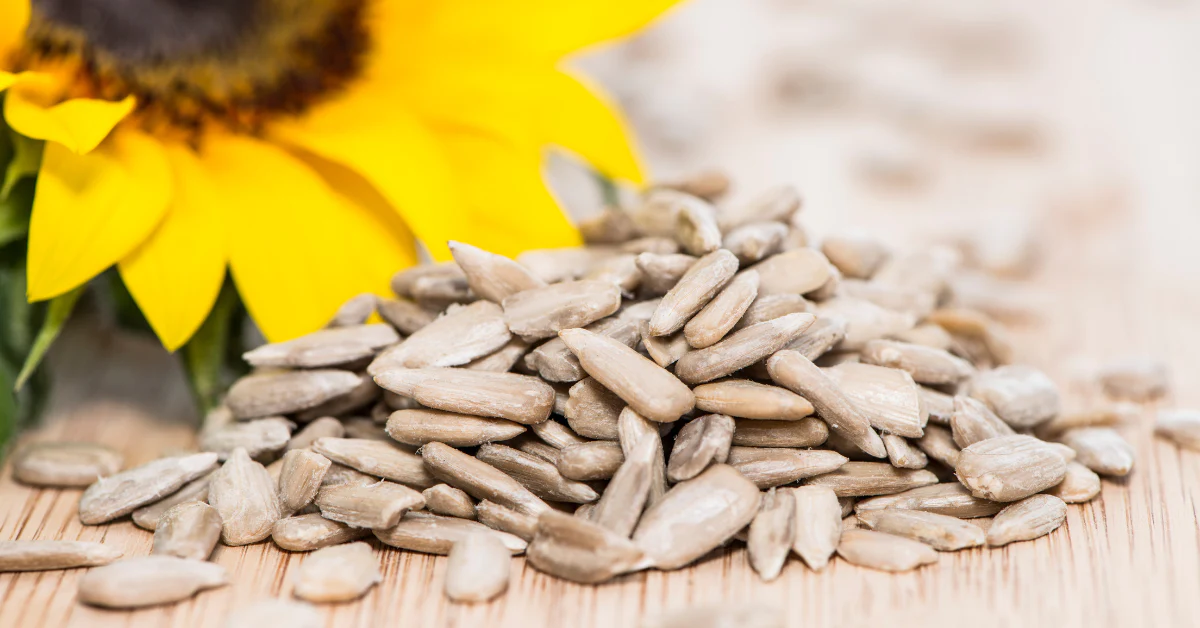
Sunflower seeds, Helianthus annuus, supplied for salad applications represent a specialized segment within the broader oilseed industry. These seeds are not solely valued for oil extraction, but rather for their nutritional profile, textural contribution, and aesthetic appeal in prepared food products. The technical position within the food supply chain places them as a processed agricultural commodity, requiring rigorous quality control from harvest through packaging. Core performance characteristics are defined by seed size, oil content, protein levels, moisture content, hulling ratio (for in-shell vs. kernel offerings), and importantly, freedom from contaminants (microbial, chemical, and foreign materials). A key industry pain point revolves around maintaining consistent seed quality across variable growing conditions and ensuring compliance with increasingly stringent food safety regulations, particularly regarding aflatoxins and pesticide residues. Suppliers must demonstrate traceability, adhere to defined specifications, and consistently deliver a product suitable for direct inclusion in ready-to-eat salads without compromising safety or sensory attributes.
Material Science & Manufacturing
Sunflower seeds are fundamentally composed of a hull (pericarp), kernel (cotyledon), and embryo. The hull, primarily cellulose and lignin, provides a protective layer. The kernel, constituting approximately 65-75% of the seed's weight, is rich in oil (40-55%), protein (18-25%), and carbohydrates. Oil composition is crucial, varying based on seed variety; linoleic acid is typically dominant. Manufacturing begins with agricultural cultivation, influenced by soil type, climate, and fertilization practices. Harvesting requires careful timing to minimize field losses and maximize seed maturity. Post-harvest processing includes cleaning (removal of debris, stems, leaves), drying (to achieve a stable moisture content of approximately 8-10% to prevent fungal growth and rancidity), dehulling (mechanical removal of the hull – critical for kernel varieties), sizing/grading (separation based on kernel size and shape), and polishing. Key parameter control during drying involves maintaining appropriate temperature and airflow to avoid heat damage and preserve oil quality. Dehulling efficiency affects yield and the potential for shell fragments in the final product. Surface treatments, such as polishing with food-grade waxes, are employed to enhance appearance and prevent sticking. Storage conditions (temperature, humidity, oxygen exposure) are paramount in preserving seed quality and preventing lipid oxidation.
Performance & Engineering
Performance considerations for sunflower seeds in salad applications extend beyond simple nutritional analysis. Mechanical integrity is critical; seeds must withstand handling during salad preparation and maintain a desirable texture (crunchiness) without shattering excessively. Force analysis dictates optimal shell strength (for in-shell seeds) and kernel hardness. Environmental resistance focuses on moisture absorption and oxidative stability. High moisture content encourages microbial growth and alters texture. Lipid oxidation, accelerated by light, heat, and oxygen, leads to rancidity and off-flavors. Packaging plays a vital role in mitigating these effects. Compliance requirements include adherence to food safety standards (HACCP, GMP), pesticide residue limits (established by regulatory bodies like the FDA and EFSA), and aflatoxin thresholds. Functional implementation involves understanding the seed’s interaction with other salad components – dressing adherence, compatibility with leafy greens, and potential for color bleeding. The oil content contributes to the overall fat content of the salad, influencing its perceived richness and mouthfeel. Specific varieties may be selected based on their oil profile (e.g., high oleic varieties offer improved oxidative stability).
Technical Specifications
| Parameter | Unit | Typical Value (Kernel Seeds) | Typical Value (In-Shell Seeds) |
|---|---|---|---|
| Moisture Content | % | 8-10 | 8-10 |
| Oil Content (Dry Basis) | % | 50-58 | 40-50 |
| Protein Content (Dry Basis) | % | 20-25 | 18-22 |
| Hull Content | % | <1 | 40-60 |
| Broken Kernels/Fragments | % | <5 | <10 |
| Foreign Matter | % | <0.5 | <1 |
Failure Mode & Maintenance
Failure modes for sunflower seeds in salad applications fall into several categories. Rancidity, caused by lipid oxidation, is a primary concern, resulting in off-flavors and reduced nutritional value. This is exacerbated by improper storage (exposure to air, light, and heat). Shelling damage, particularly in in-shell seeds, can occur during handling and processing, leading to kernel exposure and increased susceptibility to moisture absorption and microbial contamination. Fatigue cracking of shells can also occur due to repeated stress. Microbial contamination, primarily molds producing aflatoxins, poses a significant safety risk. This is influenced by pre-harvest conditions (insect damage), post-harvest handling, and storage environment. Maintenance (preventative measures) focuses on stringent quality control throughout the supply chain. Proper drying and storage are crucial. Packaging should provide a barrier to oxygen, light, and moisture. Regular testing for aflatoxins and microbial contaminants is essential. Employing a robust traceability system allows for rapid identification and recall of contaminated batches. For in-shell seeds, minimizing mechanical damage during processing and transport is paramount. Antioxidants can be used as a preventative measure to slow down the lipid oxidation process, but regulatory limits apply.
Industry FAQ
Q: What are the acceptable limits for aflatoxin contamination in sunflower seeds destined for human consumption?
A: Acceptable limits for aflatoxin contamination vary by regulatory jurisdiction. The US FDA currently sets a limit of 20 parts per billion (ppb) for total aflatoxins. The European Food Safety Authority (EFSA) has established a tolerable daily intake (TDI) and sets limits based on this, which may be more stringent depending on the product type. Suppliers must provide Certificates of Analysis (COAs) demonstrating compliance with the relevant regulations for the intended market.
Q: How does the oil content of sunflower seeds impact their shelf life?
A: Higher oil content generally correlates with a shorter shelf life due to increased susceptibility to lipid oxidation. However, the type of oil also matters. High oleic sunflower seeds, containing a higher proportion of monounsaturated fatty acids, exhibit significantly improved oxidative stability compared to traditional linoleic sunflower seeds. Packaging and storage conditions are also crucial mitigating factors.
Q: What is the significance of the "broken kernel" percentage in a batch of sunflower seeds?
A: A high broken kernel percentage indicates potential damage during processing or handling. Broken kernels have a larger surface area exposed to oxygen, accelerating rancidity. They also affect the textural integrity of the product and can be aesthetically undesirable in salads. Specifications typically limit the allowable percentage of broken kernels.
Q: What are the recommended storage conditions for maintaining the quality of sunflower seeds?
A: Sunflower seeds should be stored in a cool, dry, and dark environment. Optimal temperature is below 25°C (77°F) and relative humidity should be kept below 65%. Packaging should be airtight and provide a barrier to light and oxygen. Long-term storage may benefit from the use of modified atmosphere packaging (MAP) with reduced oxygen levels.
Q: How do different harvesting methods affect the quality of sunflower seeds for salad applications?
A: Harvesting methods impact seed maturity and the level of field damage. Direct combining, while efficient, can result in higher levels of broken seeds and foreign matter compared to a two-stage harvesting process (swathing followed by combining). Careful regulation of combine settings is critical to minimize damage. Premature harvesting leads to immature seeds with lower oil content, while delayed harvesting increases the risk of seed shattering and fungal growth.
Conclusion
Sunflower seeds supplied for salad applications demand a nuanced understanding of agricultural practices, material science, and food safety regulations. Maintaining consistent quality requires meticulous control throughout the entire supply chain, from seed selection and cultivation to post-harvest processing, storage, and packaging. Key performance indicators center around oil content, moisture levels, freedom from contaminants, and mechanical integrity. Addressing the industry pain points of oxidation, microbial contamination, and physical damage necessitates a proactive approach to quality assurance and a commitment to adhering to stringent international standards.
Future developments in sunflower seed technology will likely focus on breeding for improved oxidative stability (high oleic varieties), enhanced resistance to fungal pathogens, and optimized shell characteristics. Sustainable agricultural practices and efficient processing technologies will also play an increasingly important role in ensuring a reliable and high-quality supply of sunflower seeds for the growing salad market. Continued research and development in packaging materials and modified atmosphere packaging will further extend shelf life and preserve the nutritional integrity of the product.
