Introduction
Sunflower seeds, Helianthus annuus, incorporated into salad products represent a value-added component requiring specific quality controls and processing considerations. This technical guide details the material science, manufacturing processes, performance characteristics, potential failure modes, and industry standards relevant to the inclusion of sunflower seeds within ready-to-eat salad applications. Historically, sunflower seeds were utilized primarily as an oilseed crop, but their increasing recognition as a nutritious snack and salad ingredient drives demand for consistent quality and shelf-life stability. The core performance considerations for sunflower seeds in salad products revolve around maintaining textural integrity, preventing rancidity, and ensuring microbiological safety within a complex matrix of diverse ingredients and dressings. The industry’s pain point centers around managing lipid oxidation, maintaining shell integrity during processing, and conforming to increasingly stringent food safety regulations.
Material Science & Manufacturing
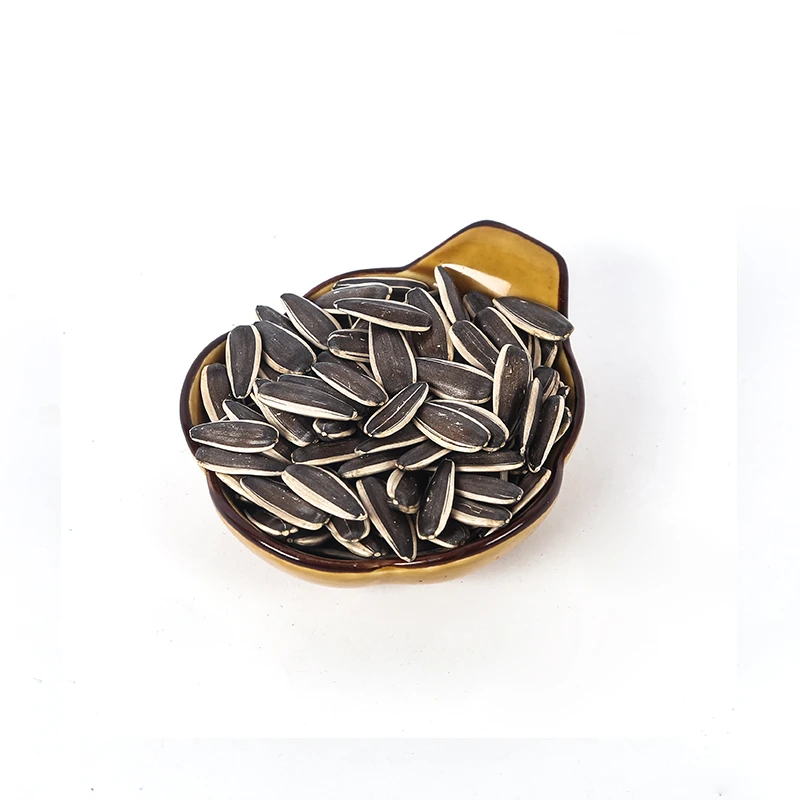
Sunflower seeds consist primarily of a lipid fraction (40-50% by weight), proteins (20-25%), carbohydrates (15-20%), and fiber (5-10%). The lipid profile is dominated by linoleic acid (an omega-6 fatty acid) and oleic acid (an omega-9 fatty acid). Kernel hardness is determined by the genetic cultivar and influenced by growing conditions. Shell composition is largely cellulose and lignin, providing a physical barrier against moisture and contaminants. Manufacturing begins with harvesting, drying to approximately 8-10% moisture content to inhibit fungal growth, and dehulling. Dehulling efficiency impacts the final product yield and the presence of shell fragments. The seeds can be further processed by drying, roasting (to enhance flavor and reduce microbial load), seasoning, and coating. Roasting temperature and duration are critical parameters, impacting lipid oxidation rates and acrylamide formation. Coating applications, often employing starches or polysaccharides, provide a barrier against moisture migration and improve adhesion to salad ingredients. Parameter control during roasting is paramount, maintaining temperatures below 150°C to minimize the formation of harmful compounds. Airflow velocity during drying is critical to prevent case hardening and ensure uniform moisture reduction. Quality control throughout the process includes monitoring seed moisture content, oil content, free fatty acid levels (an indicator of rancidity), and the presence of mycotoxins.
Performance & Engineering
The performance of sunflower seeds within a salad matrix is governed by several engineering principles. Firstly, the seeds must withstand the shear forces during mixing and packaging without excessive breakage. Shell strength, directly related to cultivar and drying process, determines resistance to fracture. Secondly, the seeds' surface properties influence their interaction with salad dressings. Hydrophobic surfaces repel aqueous dressings, potentially causing uneven coating and reduced flavor adhesion. Conversely, hydrophilic surfaces promote dressing absorption, leading to potential textural changes. Thirdly, barrier properties of the seed coat are crucial in preventing moisture absorption, which accelerates lipid oxidation and microbial growth. Environmental resistance is vital; sunflower seeds are susceptible to oxidation, particularly when exposed to light and oxygen. Packaging materials with low oxygen transmission rates (OTR) are essential. Compliance requirements include adherence to food safety standards (HACCP, FSMA) and labeling regulations regarding allergen information (sunflower seeds are a common allergen). Force analysis during mixing operations assesses the impact forces on the seeds and informs the design of mixing equipment to minimize breakage. The water activity (aw) of the salad product must be maintained below 0.85 to inhibit microbial proliferation. Furthermore, the seeds' contribution to the overall textural profile of the salad must be considered – optimal crunchiness is a key consumer expectation.
Technical Specifications
| Parameter | Unit | Specification (Standard Grade) | Specification (Premium Grade) |
|---|---|---|---|
| Moisture Content | % | ≤ 8.0 | ≤ 6.0 |
| Oil Content | % | ≥ 48.0 | ≥ 52.0 |
| Free Fatty Acid (as Oleic Acid) | % | ≤ 1.0 | ≤ 0.5 |
| Kernel Damage (Broken/Chipped) | % | ≤ 5.0 | ≤ 2.0 |
| Foreign Matter | % | ≤ 1.0 | ≤ 0.5 |
| Peroxide Value (PV) | meq O2/kg | ≤ 5.0 | ≤ 3.0 |
Failure Mode & Maintenance
Sunflower seeds in salad products are prone to several failure modes. Rancidity is a primary concern, driven by lipid oxidation. This manifests as off-flavors and aromas, reducing product acceptability. Oxidation is accelerated by exposure to oxygen, light, and elevated temperatures. Shell Fragmentation results in a textural defect and potential safety hazard. Causes include excessive shear forces during processing, improper drying leading to brittle shells, and pre-existing shell weaknesses. Microbial Spoilage can occur if moisture activity is not adequately controlled. Common spoilage organisms include molds and bacteria. Color Degradation due to Maillard reactions or pigment oxidation can also occur, impacting visual appeal. Maintenance involves optimizing processing parameters to minimize damage, implementing effective antioxidant strategies (e.g., packaging with oxygen absorbers, addition of Vitamin E), and maintaining strict hygiene controls. Storage should be in cool, dark, and dry conditions. Regular monitoring of peroxide values and free fatty acid levels is crucial for assessing product quality and shelf-life. To mitigate shell fragmentation, gentle mixing techniques and optimized dehulling processes are recommended. Implementing a robust HACCP plan, including critical control points for moisture content and temperature, is essential to prevent microbial growth.
Industry FAQ
Q: What is the impact of different sunflower seed varieties on shelf life in a salad context?
A: High-oleic sunflower seed varieties exhibit significantly improved oxidative stability compared to linoleic varieties due to their lower susceptibility to lipid peroxidation. Using high-oleic seeds can extend shelf life by 20-30% or more, reducing rancidity development in the salad product. However, high-oleic seeds often command a price premium.
Q: How does the type of salad dressing influence lipid oxidation rates in sunflower seeds?
A: Acidic dressings (e.g., vinaigrettes) generally exhibit a protective effect against lipid oxidation by lowering pH and inhibiting pro-oxidant enzymes. Conversely, alkaline dressings can accelerate oxidation. The presence of emulsifiers in dressings can also affect oxidation rates – some emulsifiers act as antioxidants, while others can promote oxidation.
Q: What packaging materials are most effective at preventing rancidity in sunflower seed-containing salads?
A: Multi-layer films with high barrier properties against oxygen and moisture are crucial. Materials like metallized polyester (PET) or ethylene-vinyl alcohol (EVOH) provide excellent barrier performance. Modified atmosphere packaging (MAP) with nitrogen flushing further reduces oxygen levels within the package, slowing oxidation.
Q: What are the critical control points for ensuring the microbiological safety of sunflower seeds in a salad product?
A: Key control points include: 1) Incoming seed inspection for mycotoxins and microbial contamination; 2) Maintaining low moisture content during processing and storage; 3) Controlling water activity (aw) in the finished salad product (<0.85); 4) Implementing rigorous hygiene practices throughout the production facility; and 5) Temperature control during storage and distribution.
Q: How can the issue of shell fragments in the final salad product be minimized?
A: Optimizing the dehulling process to maximize kernel separation is critical. Implementing a post-dehulling cleaning stage with air classification or density separation can remove residual shell fragments. Gentle mixing techniques during salad preparation and ensuring uniform particle size distribution also reduce the likelihood of shell breakage.
Conclusion
Sunflower seeds represent a valuable and nutritious addition to salad products, but their successful integration necessitates a comprehensive understanding of their material properties, manufacturing considerations, and potential degradation pathways. Maintaining optimal seed quality, controlling processing parameters, and employing appropriate packaging technologies are paramount for ensuring product shelf-life, safety, and consumer acceptance. The industry’s ongoing focus on oxidative stability and minimizing physical damage is driving innovation in seed breeding, processing techniques, and packaging materials.
Future research should concentrate on developing novel coating technologies to enhance barrier properties and improve adhesion to salad ingredients, as well as exploring the potential of active packaging solutions incorporating antioxidants. Addressing consumer concerns regarding allergen labeling and sustainable sourcing practices will also be vital for the continued growth of sunflower seeds in the salad market.
