Introduction
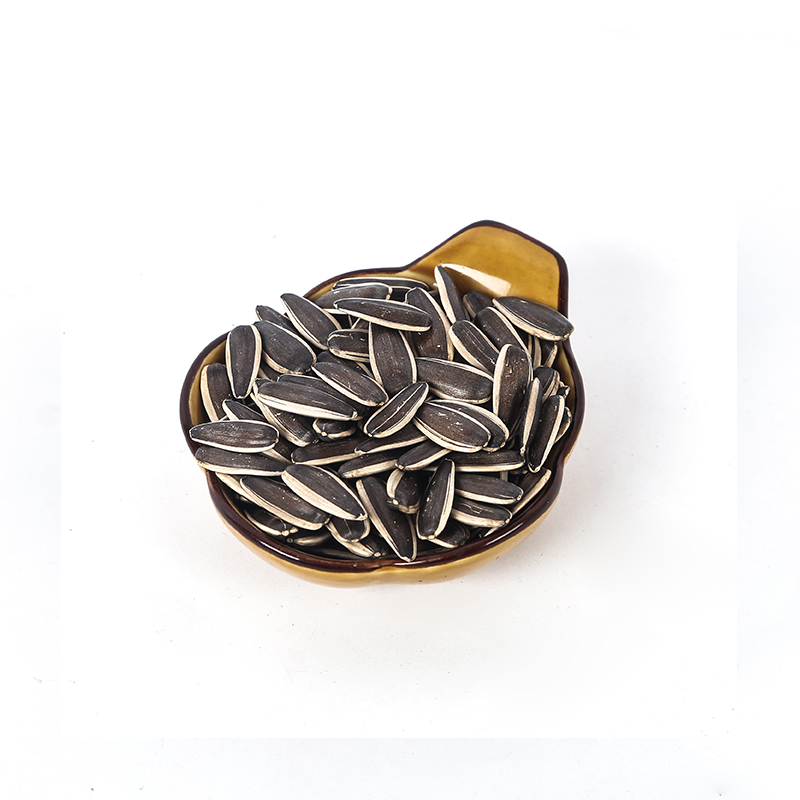
Sunflower seeds incorporated into salad products represent a value-added component within the broader agricultural and processed food industry. Technically positioned between primary agricultural production and consumer-ready salad mixes, their integration demands specific considerations regarding seed quality, processing techniques, and compatibility with other salad ingredients. Core performance characteristics center around maintaining seed integrity (shell and kernel), flavor profile, and ensuring microbiological safety throughout the supply chain. This guide provides an in-depth analysis of sunflower seeds within this application, covering material science, manufacturing processes, performance metrics, potential failure modes, and relevant industry standards. The primary industry pain point lies in maintaining consistent seed quality, preventing rancidity, and mitigating the risk of Salmonella or other pathogenic contamination, especially given the minimally processed nature of salad products.
Material Science & Manufacturing
Sunflower seeds ( Helianthus annuus) consist of a shell (husk), kernel (meat), and embryo. The shell, composed primarily of cellulose and lignin, provides physical protection. The kernel contains approximately 50-65% oil, predominantly linoleic acid (a polyunsaturated fatty acid), 20-25% protein, and various vitamins and minerals. Different sunflower seed varieties exhibit variations in oil content and kernel size, influencing their suitability for salad mixes. Manufacturing involves several stages: harvesting, drying (to reduce moisture content to approximately 8-10% to inhibit microbial growth and enzymatic activity), dehulling (mechanical removal of the shell – partial or complete), sizing and grading (separation based on kernel size and density), and often, a surface treatment (e.g., salt addition, flavoring). Parameter control during drying is crucial; excessive heat degrades oil quality, leading to rancidity. Dehulling impacts the final product’s texture and consumer acceptance. Complete dehulling provides a smoother texture but reduces the seed's structural integrity, potentially increasing breakage during mixing. Partial dehulling retains some shell, offering textural contrast. Oil oxidation is a primary concern; packaging and storage conditions directly impact shelf life. The manufacturing process utilizes mechanical separation and sorting technologies; optical sorters are increasingly employed to remove discolored or damaged seeds.
Performance & Engineering
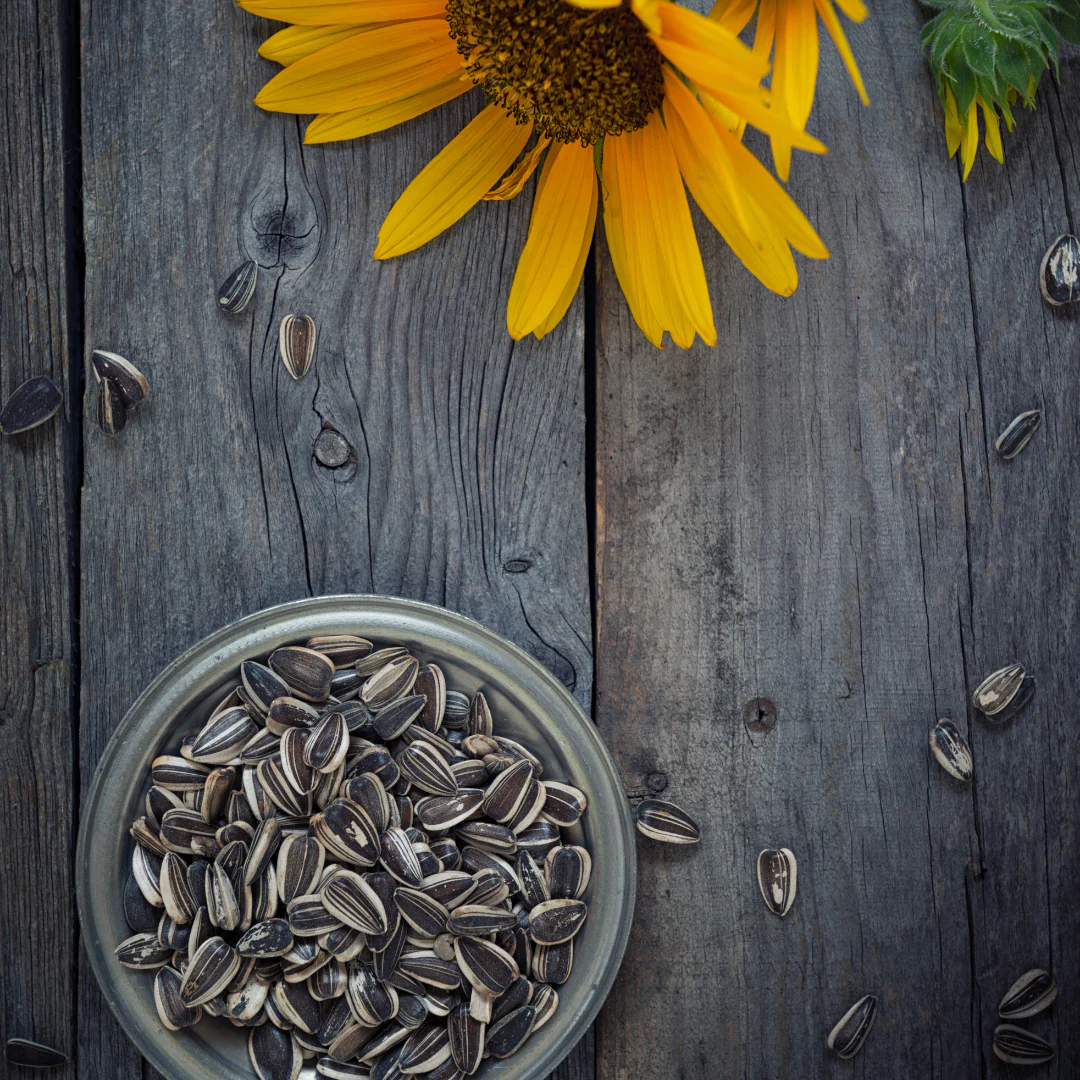
The performance of sunflower seeds in salad products is evaluated based on several engineering criteria. Force analysis focuses on seed resistance to fracturing during handling and mixing. Brittle fracture is common, particularly with fully dehulled seeds. Impact resistance is improved with a higher shell percentage. Environmental resistance relates primarily to moisture absorption and oil oxidation. The oil’s susceptibility to oxidation necessitates the use of antioxidant packaging and/or the addition of tocopherols (Vitamin E) to the seeds. Compliance requirements include adherence to food safety regulations (e.g., FSMA in the US, EU regulations) and labeling standards. Functional implementation requires compatibility with other salad ingredients. The seeds must maintain textural integrity and not leach undesirable flavors into the dressing or other components. Moisture migration between the seeds and the surrounding salad ingredients can affect texture and promote microbial growth. Shelf-life studies are essential to determine the impact of storage conditions (temperature, humidity, light exposure) on seed quality. Maintaining a water activity (Aw) level below 0.7 is critical for inhibiting microbial proliferation. The seeds' density and shape influence their distribution within the salad mix, impacting visual appeal and consistent portioning.
Technical Specifications
| Parameter | Specification | Test Method | Industry Relevance |
|---|---|---|---|
| Oil Content (%) | 48-58 | AOAC Official Method 989.03 | Impacts Flavor, Texture, Rancidity Potential |
| Moisture Content (%) | ≤ 8.0 | AOAC Official Method 925.09 | Critical for Microbial Stability |
| Kernel Size (mm) | 10-16 (average) | Sieve Analysis | Affects Texture and Visual Appeal |
| Free Fatty Acid (FFA) (%) | ≤ 1.0 | Titration (AOCS Cd 3-63) | Indicator of Oil Quality and Rancidity |
| Peroxide Value (meq O2/kg) | ≤ 5.0 | Potentiometric Titration (AOCS Cd 8-53) | Measure of Oil Oxidation |
| Water Activity (Aw) | ≤ 0.70 | Water Activity Meter | Microbial Growth Control |
Failure Mode & Maintenance
Sunflower seeds in salad products are susceptible to several failure modes. Rancidity, caused by lipid oxidation, is a primary concern, resulting in off-flavors and reduced nutritional value. This is accelerated by exposure to oxygen, light, and elevated temperatures. Microbiological contamination, particularly with Salmonella, is a significant food safety risk, especially given the minimal processing involved in salad preparation. Physical damage (cracking, breakage) occurs during handling and mixing, affecting texture and visual appeal. Moisture absorption can lead to clumping and textural degradation, as well as increased susceptibility to microbial growth. Maintenance and preventative measures include: stringent quality control of raw materials; optimized drying and storage conditions; the use of antioxidant packaging (e.g., nitrogen flushing, oxygen absorbers); regular monitoring of oil quality (FFA, Peroxide Value); adherence to HACCP principles; and proper sanitation procedures throughout the manufacturing process. Seed coatings (e.g., with citric acid) can inhibit mold growth. Proper inventory rotation (FIFO – First In, First Out) is essential to minimize storage time and prevent degradation. Regularly inspecting packaging for integrity is important to prevent oxygen ingress.
Industry FAQ
Q: What is the primary difference between oil-type and confectionary sunflower seeds in a salad application?
A: Oil-type seeds have a higher oil content and generally a smaller kernel size, leading to a potentially richer flavor but increased susceptibility to rancidity. Confectionary seeds are bred for larger kernel size and lower oil content, offering a firmer texture and longer shelf life, making them generally preferable for salad mixes where texture and extended freshness are critical.
Q: How does the degree of dehulling impact the seed’s performance in a salad?
A: Fully dehulled seeds offer a smoother texture but are more prone to breakage during mixing. Partially dehulled seeds retain some shell, providing textural contrast and increased structural integrity. The optimal dehulling level depends on the desired salad profile and handling processes.
Q: What packaging materials are recommended to minimize oil oxidation and maintain seed quality?
A: Multi-layer films with high barrier properties against oxygen and moisture are essential. Materials such as metallized polyester or EVOH (ethylene vinyl alcohol) provide excellent barrier protection. Nitrogen flushing or vacuum packaging can further reduce oxygen levels. Dark-colored packaging helps minimize light-induced oxidation.
Q: What testing protocols are crucial for ensuring food safety of sunflower seeds used in salads?
A: Routine testing for Salmonella and other relevant pathogens is paramount. Monitoring for mycotoxins (e.g., aflatoxins) is also important, particularly in regions with high humidity. Testing for pesticide residues should comply with relevant regulatory limits.
Q: How does water activity affect the shelf life of sunflower seeds in a salad mix, and what is the acceptable range?
A: Water activity (Aw) directly impacts microbial growth. Lowering Aw inhibits microbial proliferation. An Aw of ≤ 0.70 is generally considered safe for most sunflower seed products, significantly extending shelf life. The water activity of the salad mix as a whole must be considered, as it impacts the seeds as well.
Conclusion
Sunflower seeds present a valuable nutritional and textural component to salad products, however, their inherent characteristics necessitate stringent quality control throughout the supply chain. Maintaining optimal oil quality, minimizing microbial contamination risks, and ensuring structural integrity during handling are paramount concerns. Selecting appropriate sunflower seed varieties (oil-type vs. confectionary, dehulling level), employing suitable packaging materials, and adhering to robust food safety protocols are essential for delivering a high-quality, safe, and appealing product.
Future developments may focus on innovative seed coatings to enhance shelf life and improve resistance to oxidation, as well as the utilization of modified atmosphere packaging (MAP) techniques to further reduce oxygen levels. Advancements in optical sorting technologies will enable more precise removal of damaged or discolored seeds, improving product consistency. Continued research into novel antioxidants may provide more effective solutions for preventing rancidity and preserving the nutritional value of sunflower seeds in salad applications.
