Introduction
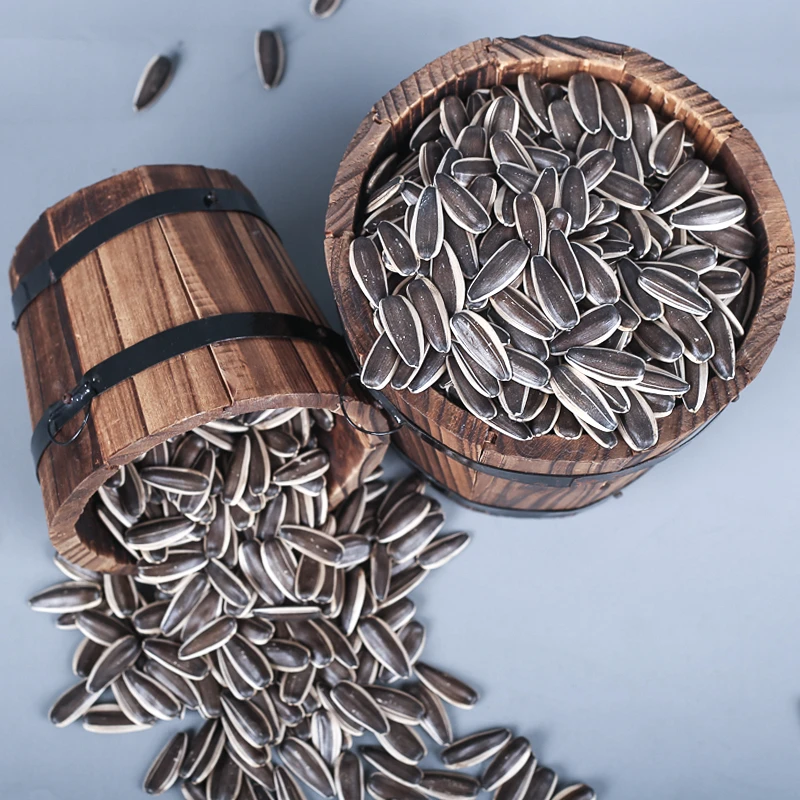
Sunflower seeds, Helianthus annuus, utilized in salad production represent a critical component within the prepared foods supply chain. These seeds are valued for their nutritional profile – high in unsaturated fatty acids, Vitamin E, and protein – and their textural contribution to salad mixes. This technical guide provides an in-depth examination of sunflower seed quality parameters specific to salad factory application, encompassing material science, manufacturing processes, performance criteria, potential failure modes, and relevant industry standards. A primary pain point within the industry centers around maintaining seed integrity during processing (dehulling, drying, coating) and preventing rancidity during storage, both directly impacting consumer acceptability and food safety. Seed size consistency is also crucial for automated salad production line efficiency. Furthermore, allergen control related to sunflower seeds is an increasing concern, demanding meticulous process control and traceability.
Material Science & Manufacturing
Sunflower seeds consist of a hull (pericarp), kernel (cotyledon), and embryo. The kernel's oil content, typically 40-50% linoleic acid, drives many quality concerns. Raw material sourcing dictates seed composition; high-oleic varieties are preferred for improved oxidative stability. Manufacturing begins with harvesting and drying to a moisture content of approximately 9-11%. Drying methods – natural sun drying versus forced-air drying – significantly impact seed quality. Forced-air drying, controlled for temperature (below 45°C) and airflow, minimizes heat damage and preserves oil quality. Dehulling is a critical process, employing mechanical friction to separate the kernel from the hull. Gentle dehulling is crucial to minimize kernel breakage and dust generation. Following dehulling, seeds are graded by size using screens. Automated optical sorting removes discolored or damaged seeds. For salads, seeds are often coated with seasonings or oils to enhance flavor and shelf life. Coating processes, typically utilizing drum or fluidized bed coaters, require precise control of coating application rate and adhesion. Parameter control during coating includes monitoring coating solution viscosity, drum speed, and airflow. Chemical compatibility between coating ingredients and the seed oil is essential to prevent degradation.
Performance & Engineering
Sunflower seed performance in salad applications is defined by several key engineering considerations. First, tribological properties – friction and wear – are important during handling and mixing in salad production. Seed surface texture and oil content influence these properties. Second, structural integrity is critical. Kernels must withstand mechanical stress during processing and transportation without significant breakage. Finite Element Analysis (FEA) can be employed to model stress distribution during dehulling and coating. Third, oil migration is a significant concern. Oil leaking from the kernel can affect salad dressing consistency and sensory attributes. Coating application acts as a barrier to control oil migration. Fourth, moisture uptake influences texture and susceptibility to microbial growth. Maintaining low moisture content (<5%) is vital for shelf stability. Compliance requirements include adherence to food safety regulations (HACCP, FSMA) and allergen labeling standards. Packaging material selection (barrier properties, gas permeability) also impacts performance. Gas flushing with nitrogen reduces oxygen levels and inhibits oxidation, extending shelf life. The shear forces within salad mixing equipment must be considered to minimize kernel damage.
Technical Specifications
| Parameter | Unit | Specification (Standard Grade) | Premium Grade |
|---|---|---|---|
| Kernel Moisture Content | % (w/w) | ≤ 10.0 | ≤ 8.0 |
| Kernel Oil Content | % (w/w) | 48-52 | 50-54 |
| Kernel Broken/Damaged | % (w/w) | ≤ 3.0 | ≤ 1.5 |
| Foreign Material | % (w/w) | ≤ 0.5 | ≤ 0.1 |
| Hull Content | % (w/w) | ≤ 2.0 | ≤ 0.5 |
| Peroxide Value (PV) | meq O2/kg | ≤ 5.0 | ≤ 3.0 |
Failure Mode & Maintenance
Sunflower seeds in salad production are susceptible to several failure modes. Rancidity is a primary concern, driven by lipid oxidation. Elevated temperatures, light exposure, and the presence of metal ions catalyze this process. Monitoring peroxide value (PV) is essential. Kernel breakage reduces visual appeal and generates dust, impacting processing efficiency. Causes include excessive mechanical stress during dehulling or transport. Hull fragments can remain attached to the kernel, requiring additional cleaning steps. Microbial contamination (mold growth, bacterial proliferation) poses a food safety risk, linked to high moisture content or inadequate sanitation. Coating defects (uneven application, delamination) affect flavor and shelf life. Preventative maintenance includes regular cleaning of processing equipment to remove seed debris and potential contaminants. Temperature and humidity control during storage are crucial to minimize rancidity and microbial growth. Implementing a First-In, First-Out (FIFO) inventory management system ensures optimal product rotation. Regular visual inspections for signs of mold or insect infestation are vital. Preventative lubrication of dehulling equipment minimizes kernel damage. Proper storage involves airtight containers and a cool, dark, dry environment.
Industry FAQ
Q: What is the impact of seed size variability on automated salad processing?
A: Significant size variability can disrupt automated weighing and dispensing systems, leading to inaccurate salad portions and increased product giveaway. Larger seeds may also clog dispensing nozzles. Consistent seed sizing, achieved through grading and optical sorting, is crucial for optimal automation efficiency.
Q: How do different drying methods affect the quality of sunflower seeds for salad use?
A: Sun drying can lead to uneven drying, heat damage, and increased susceptibility to mold growth. Forced-air drying, with controlled temperature and airflow, is preferred as it preserves oil quality and minimizes microbial risk. Optimal drying temperatures should not exceed 45°C to avoid lipid oxidation.
Q: What coating materials are commonly used for sunflower seeds in salads, and what are the compatibility considerations?
A: Common coating materials include salt, spices, vegetable oils, and flavorings. Compatibility is paramount; the coating must not react with the seed oil or leach undesirable compounds. Oil-based coatings should be similarly unsaturated to prevent phase separation. Antioxidants are often added to the coating to inhibit rancidity.
Q: What are the key allergen considerations when using sunflower seeds in salad production?
A: Sunflower seeds are a known allergen. Strict allergen control protocols are essential, including dedicated processing lines, thorough cleaning of equipment, and accurate labeling. Cross-contamination must be prevented. Regular allergen testing is recommended.
Q: How can rancidity be effectively monitored and prevented during sunflower seed storage?
A: Rancidity is monitored by measuring the peroxide value (PV). Storage conditions should be cool (below 15°C), dark, and dry. Packaging materials with low oxygen permeability are essential. Nitrogen flushing can further reduce oxygen levels. Antioxidants can be added during coating to inhibit oxidation.
Conclusion
Sunflower seeds represent a valuable ingredient in salad production, offering both nutritional benefits and textural complexity. However, maintaining quality and ensuring food safety requires meticulous control over material sourcing, manufacturing processes, and storage conditions. Understanding the material science of the seed, particularly the susceptibility of unsaturated fats to oxidation, is critical. Implementing robust quality control measures, including consistent grading, effective drying techniques, and appropriate coating application, is essential to mitigate potential failure modes and ensure a consistently high-quality product.
Future developments in sunflower seed processing may involve advanced coating technologies offering improved barrier properties and controlled release of flavors. Furthermore, genetic engineering efforts focused on developing sunflower varieties with enhanced oxidative stability and improved hullability hold promise. Adherence to internationally recognized standards, coupled with continuous process improvement, will be paramount to meeting the evolving demands of the salad industry.
