Introduction
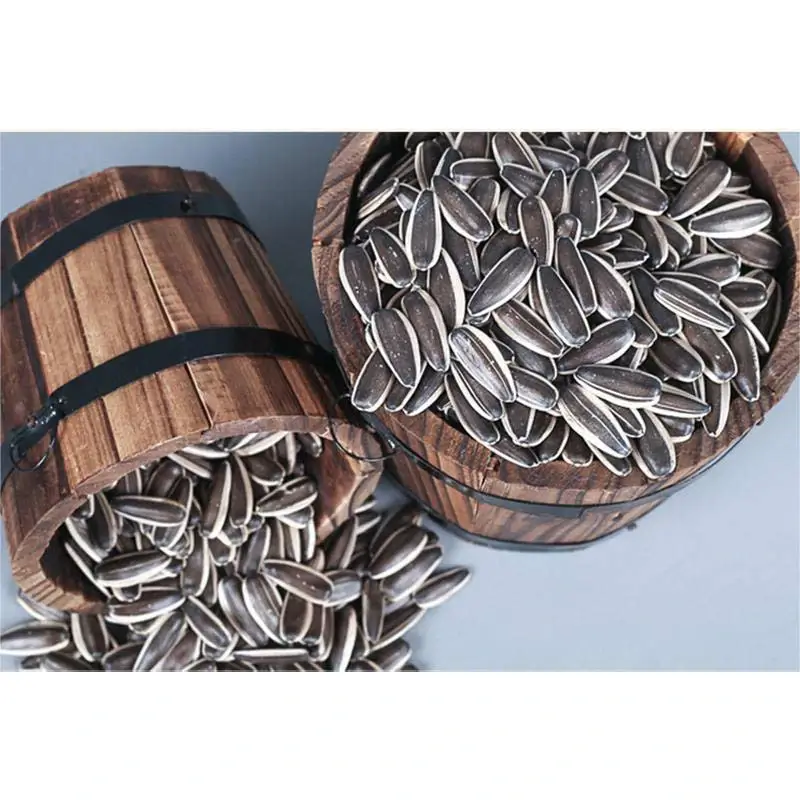
Sunflower seeds, Helianthus annuus, represent a critical component within modern salad factory operations, extending beyond simple garnishment to a functional ingredient influencing texture, nutritional profile, and shelf-life. Their inclusion necessitates a stringent understanding of seed quality, processing parameters, and potential interactions with other salad components. This technical guide details the material science, manufacturing considerations, performance characteristics, failure modes, and maintenance protocols related to sunflower seeds utilized within a commercial salad production environment. The industry faces significant challenges concerning seed consistency, lipid oxidation, allergen control, and maintaining acceptable levels of mycotoxin contamination. This guide aims to provide a comprehensive framework for mitigating these risks and optimizing seed integration into high-volume salad production.
Material Science & Manufacturing
Sunflower seeds are primarily composed of lipids (35-55%), protein (15-25%), carbohydrates (10-20%), and fiber (5-10%), alongside trace vitamins and minerals. The lipid profile is dominated by linoleic acid (an omega-6 fatty acid) and oleic acid (an omega-9 fatty acid), the ratio of which dictates seed stability and flavor. Seed shell composition is largely cellulose and lignin, providing a physical barrier but also susceptible to cracking during processing. Manufacturing begins with agricultural cultivation, influencing seed size, oil content, and inherent mycotoxin levels. Post-harvest processing involves cleaning, drying (to 8-10% moisture content to inhibit fungal growth), dehulling (removal of the shell – impacting texture and allergen profile), grading (based on size and weight), and often coating (seasoning or protective layers). Dehulling parameters – impact force, abrasion rate, and temperature control – are critical. Improper dehulling leads to increased shell fragments, impacting mouthfeel and potentially causing dental damage. Coating application methods (tumbling, spraying) must ensure uniform coverage without compromising seed integrity. Lipid oxidation is a primary concern throughout processing; nitrogen flushing and antioxidant addition (e.g., tocopherols) are frequently employed. Controlling the water activity (Aw) of the final product is also paramount.
Performance & Engineering
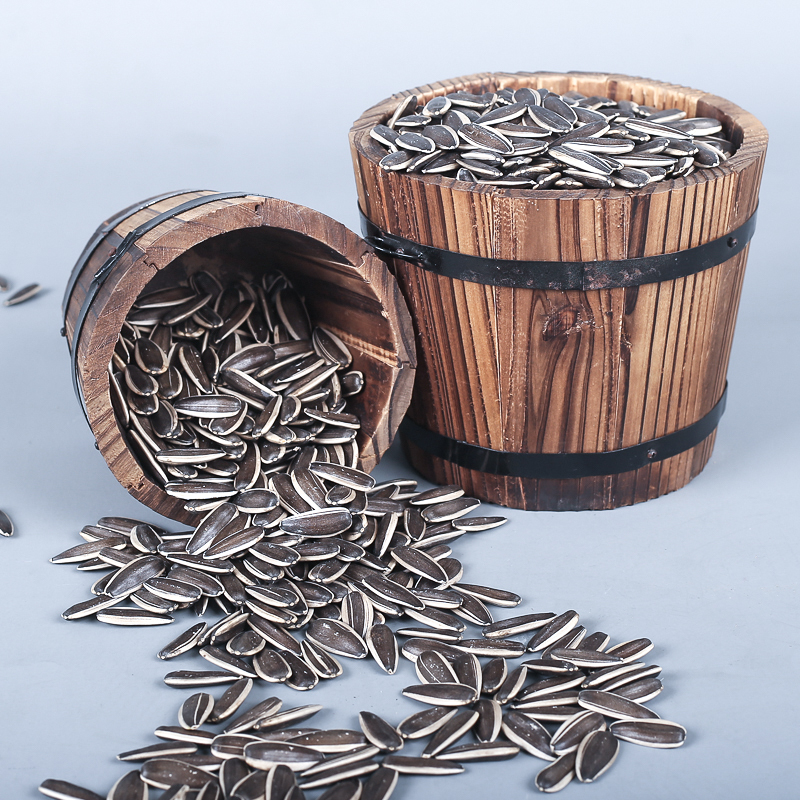
The performance of sunflower seeds in salads is dictated by their textural contribution, lipid stability, and potential for allergenicity. Force analysis reveals that seed shell fracture requires between 50-150 N depending on moisture content and applied force. During mixing with other salad ingredients, shear forces must be carefully considered to prevent excessive breakage. Environmental resistance relates primarily to oxidation and moisture uptake. Exposure to oxygen accelerates lipid rancidity, negatively impacting flavor and nutritional value. Moisture absorption softens the seed coat and promotes microbial growth. Packaging plays a crucial role in mitigating these effects, utilizing barrier materials with low oxygen transmission rates (OTR) and water vapor transmission rates (WVTR). Compliance requirements include adherence to food safety regulations (FDA, EFSA), allergen labeling standards (Food Allergen Labeling and Consumer Protection Act – FALCPA), and limits for mycotoxin contamination (aflatoxins, ochratoxins). Functional implementation within salad formulations requires considering seed size distribution to ensure even dispersal and consistent textural experience. Furthermore, the seeds’ oil content affects dressing absorption and overall salad cohesion.
Technical Specifications
| Parameter | Specification | Test Method | Acceptable Variation |
|---|---|---|---|
| Oil Content (%) | 40-50 | Soxhlet Extraction (AOCS Official Method) | ±2% |
| Moisture Content (%) | 8-10 | Oven Drying (AACC Method 925) | ±0.5% |
| Free Fatty Acid (FFA) Value (mg KOH/g) | < 0.5 | Titration (AOCS Official Method Cd 3-63) | ±0.1 |
| Peroxide Value (meq O2/kg) | < 5.0 | Titration (AOCS Official Method Cd 8-53) | ±0.5 |
| Aflatoxin B1 (ppb) | < 20 | ELISA | None |
| Seed Size (mm – Average Diameter) | 8-12 | Sieve Analysis | ±1mm |
Failure Mode & Maintenance
Sunflower seeds in salad applications are susceptible to several failure modes. Lipid oxidation, resulting in rancidity, is a prevalent issue, manifesting as off-flavors and reduced nutritional value. This is accelerated by exposure to light, oxygen, and elevated temperatures. Shell fracture during processing or handling can lead to the release of seed fragments, impacting texture and potentially causing damage. Microbial contamination (bacteria, molds) can occur if moisture content is not adequately controlled, leading to spoilage and potential health risks. Allergic reactions are a significant concern, particularly for individuals with sesame seed allergies (due to cross-contamination or protein similarities). Maintenance involves rigorous quality control of incoming seeds, proper storage conditions (cool, dark, dry), regular monitoring of lipid oxidation markers (peroxide value, FFA), and implementation of robust sanitation protocols throughout the production line. Regular inspection for shell fragments and visual assessment for mold growth are critical. Inventory rotation (FIFO – First In, First Out) is essential to minimize storage time and potential degradation. Predictive maintenance schedules for processing equipment (dehullers, coaters) can minimize seed damage.
Industry FAQ
Q: What is the primary driver for sunflower seed rancidity in a salad environment?
A: The primary driver is lipid oxidation, specifically the peroxidation of unsaturated fatty acids (linoleic and oleic acids) within the seed. This process is catalyzed by oxygen, light, temperature, and the presence of trace metals. Reducing oxygen exposure through modified atmosphere packaging and minimizing exposure to light and heat are crucial preventative measures.
Q: How does dehulling affect the allergenicity of sunflower seeds?
A: Dehulling significantly reduces, but doesn't eliminate, the allergenicity of sunflower seeds. The seed coat contains a significant portion of the allergenic proteins. Complete removal of the hull is challenging, and cross-contamination with other allergens (e.g., sesame seeds) during processing is a major concern. Thorough cleaning and allergen control programs are essential.
Q: What is the acceptable level of aflatoxin in sunflower seeds intended for salad production?
A: Regulatory limits for aflatoxin vary by region, but generally, the maximum allowable level for total aflatoxins (B1, B2, G1, G2) in sunflower seeds is 20 parts per billion (ppb) according to FDA and EU regulations. Regular testing using ELISA methods is mandatory to ensure compliance.
Q: What packaging materials best preserve sunflower seed quality during storage and transport?
A: Packaging materials with low OTR and WVTR are essential. Options include multi-layer films incorporating aluminum foil, metallized polyester, or ethylene vinyl alcohol (EVOH) barriers. Nitrogen flushing before sealing minimizes oxygen content. Dark-colored packaging protects against light-induced oxidation.
Q: What quality control tests should be performed on incoming sunflower seed shipments?
A: Incoming shipments should be tested for moisture content, oil content, FFA value, peroxide value, aflatoxin levels, seed size distribution, and the presence of foreign materials. Visual inspection for mold growth or insect infestation is also crucial. Representative samples should be taken from multiple locations within the shipment.
Conclusion
Sunflower seeds represent a complex ingredient within salad production, demanding a holistic understanding of their material properties, processing parameters, and potential failure modes. Maintaining consistent seed quality necessitates rigorous adherence to best practices throughout the entire supply chain, from agricultural cultivation to final packaging. Control of lipid oxidation, allergen contamination, and mycotoxin levels are paramount concerns requiring continuous monitoring and preventative measures.
Future advancements may focus on the development of sunflower seed varieties with enhanced lipid stability, reduced allergenicity, and improved resistance to fungal growth. Furthermore, optimizing processing techniques to minimize seed damage and employing innovative packaging technologies will be crucial for maintaining product quality and extending shelf life in the evolving landscape of salad manufacturing. Continued research into the effects of different coating materials and storage conditions will also contribute to enhancing the overall performance and safety of sunflower seeds in salad applications.
