Introduction
Sunflower seeds ( Helianthus annuus ) in bulk sales represent a significant commodity within the agricultural and food processing industries. Their position in the supply chain extends from primary agricultural production through processing (dehulling, drying, grading) and ultimately to end-use applications in human food, animal feed, and oil extraction. This guide provides a comprehensive technical overview of sunflower seeds, focusing on attributes critical to bulk sale suppliers and their clientele. Core performance characteristics include oil content, protein levels, moisture content, hulling percentage, and the presence of key fatty acids. Maintaining consistent quality across these parameters is paramount for fulfilling contract specifications and ensuring customer satisfaction. The industry currently faces challenges related to mycotoxin contamination, inconsistent seed size, and the demand for specific fatty acid profiles (e.g., high oleic acid content) driven by health-conscious consumers and industrial applications.
Material Science & Manufacturing
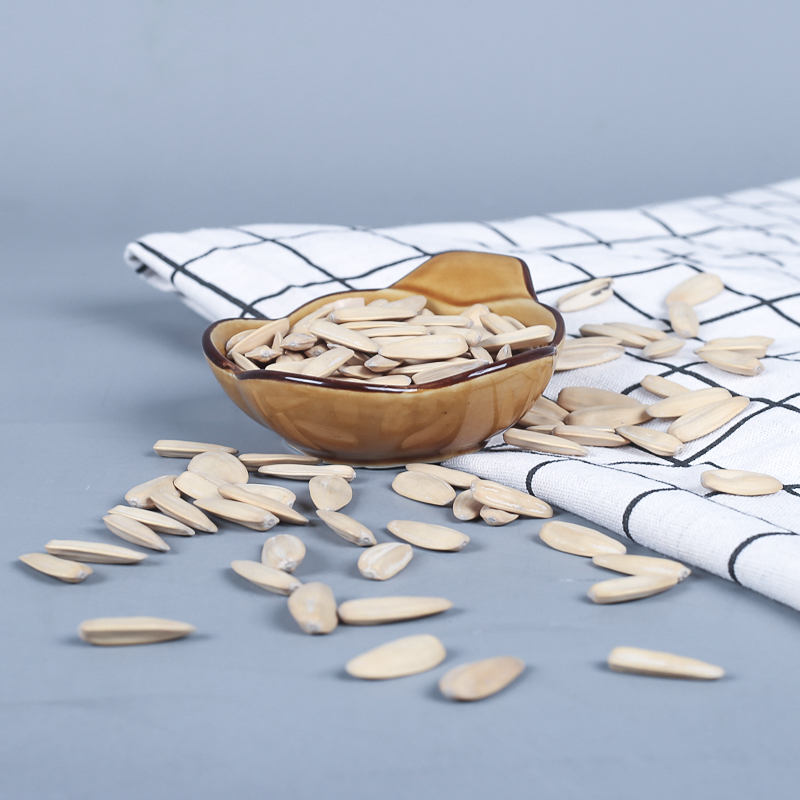
Sunflower seeds are biologically complex structures. The seed itself comprises the hull (pericarp), kernel (cotyledons, rich in oil and protein), and embryo. The hull, composed primarily of cellulose and lignin, provides physical protection. Kernel composition varies based on seed variety (confectionary vs. oilseed) but typically consists of 40-55% oil, 20-25% protein, and 10-15% carbohydrates. Oil content is primarily triglycerides of linoleic, oleic, palmitic, and stearic acids. Manufacturing commences with harvesting, followed by drying to reduce moisture content to 8-10% to prevent mold growth and ensure storage stability. Dehulling is a critical process, impacting the yield of kernel and the quality of by-products. Optical sorting and grading are employed to separate seeds based on size, shape, and color, removing foreign material and damaged seeds. Parameter control during drying (temperature, airflow) is crucial to avoid cracking and oil degradation. Hulling efficiency is optimized through mechanical impact and abrasion, with precise adjustments based on seed variety and moisture content. Seed cleaning involves aspiration, screening, and gravity separation to eliminate hulls, stems, leaves and other debris.
Performance & Engineering
The structural integrity of sunflower seeds, relevant to handling and processing, is dictated by their tensile strength and resistance to impact. Moisture content significantly affects these properties; lower moisture content generally increases strength but also brittleness. Force analysis during dehulling dictates the optimal impact force to maximize kernel recovery while minimizing damage. Environmental resistance is a key concern, particularly regarding fungal growth ( Aspergillus flavus , Aspergillus parasiticus ) leading to aflatoxin contamination. Controlled atmosphere storage (reducing oxygen levels) and the use of antifungal treatments are employed to mitigate this risk. Compliance requirements include adherence to maximum permissible levels of aflatoxins (established by regulatory bodies like the FDA and EFSA). Furthermore, packaging materials must provide adequate barrier properties to moisture and oxygen to maintain seed quality during transport and storage. The shear strength of the kernel during oil extraction is another important engineering parameter, influencing the efficiency of the pressing or solvent extraction process.
Technical Specifications
| Parameter | Unit | Oilseed Variety (Typical Range) | Confectionary Variety (Typical Range) |
|---|---|---|---|
| Oil Content (Dry Basis) | % | 42-55 | 35-45 |
| Protein Content (Dry Basis) | % | 18-25 | 20-28 |
| Moisture Content | % | 8-10 | 8-10 |
| Kernel Hulling Percentage | % | 50-65 | 70-85 |
| Linoleic Acid Content | % of Total Fatty Acids | 55-70 | 50-65 |
| Oleic Acid Content | % of Total Fatty Acids | 15-35 | 20-40 |
Failure Mode & Maintenance
Sunflower seed failure modes during storage and handling are diverse. Primary causes include: (1) Lipid Oxidation: Leading to rancidity and off-flavors, exacerbated by exposure to oxygen, light, and elevated temperatures. Antioxidant treatments and inert gas packaging can mitigate this. (2) Mycotoxin Contamination: Primarily aflatoxins, arising from Aspergillus growth during pre-harvest or post-harvest conditions with inadequate drying. Rigorous quality control and proper storage are crucial. (3) Mechanical Damage: Cracking or chipping during handling, reducing market value. Gentle handling practices and appropriate conveying systems are necessary. (4) Insect Infestation: Attracting pests during storage, leading to seed loss and contamination. Proper sanitation and pest control measures are essential. (5) Germination Inhibition: Improper drying or storage conditions can reduce seed viability for future planting applications. Maintenance includes regular monitoring of temperature and humidity in storage facilities, visual inspection for mold growth or insect activity, and periodic laboratory analysis for mycotoxin levels and oil quality. Implementing a robust first-in, first-out (FIFO) inventory management system is also vital.
Industry FAQ
Q: What is the acceptable level of foreign material (FM) in a bulk sunflower seed shipment?
A: Acceptable FM levels are typically specified in contract agreements. However, industry standards generally dictate a maximum of 2% FM, comprising inert matter such as stems, leaves, dirt, and other seeds. Higher levels can result in price adjustments or rejection of the shipment.
Q: How is aflatoxin contamination monitored and controlled during bulk storage?
A: Aflatoxin contamination is monitored through regular sampling and laboratory testing using ELISA or HPLC methods. Preventative measures include ensuring thorough drying of seeds before storage, maintaining low storage temperatures (below 15°C), controlling humidity (below 65% RH), and employing aeration systems to prevent moisture buildup. The use of approved antifungal treatments is also practiced in some cases.
Q: What are the differences between confectionary and oilseed sunflower varieties in terms of quality parameters?
A: Confectionary varieties typically have a larger kernel size, a thinner hull, and a higher hulling percentage than oilseed varieties. Oilseed varieties generally have a higher oil content. Moisture content and freedom from defects are critical for both, but the acceptable level of hull fragments is generally lower in confectionary seeds.
Q: What packaging options are recommended for long-term storage of bulk sunflower seeds?
A: Recommended packaging includes moisture-proof, multi-layered bags (e.g., polypropylene woven bags with polyethylene liners) or flexible intermediate bulk containers (FIBCs) with polyethylene liners. Vacuum packaging or modified atmosphere packaging (MAP) with nitrogen flushing can further extend shelf life by reducing oxygen levels.
Q: How does seed size variability impact processing efficiency in oil extraction facilities?
A: Significant seed size variability can lead to uneven processing and reduced oil extraction efficiency. Smaller seeds may pass through screening equipment, while larger seeds may require more energy for cracking. Suppliers should strive to provide seeds with consistent size distribution to optimize oil yield and minimize processing challenges.
Conclusion
Sunflower seeds, as a bulk commodity, necessitate rigorous attention to detail throughout the entire supply chain. Maintaining consistent quality parameters – oil content, protein levels, moisture content, and freedom from contaminants – is crucial for meeting diverse customer demands. Understanding the material science underpinning seed structure and the manufacturing processes influencing seed quality allows suppliers to optimize operations and minimize failure modes.
Future trends will likely focus on developing sunflower varieties with enhanced fatty acid profiles (e.g., high oleic, low linolenic), improved resistance to disease, and increased drought tolerance. Adoption of advanced quality control technologies, such as near-infrared spectroscopy (NIRS) for rapid compositional analysis, will become increasingly prevalent. Furthermore, sustainable agricultural practices and traceability systems will be essential to meet growing consumer demands for environmentally responsible products.
