Introduction
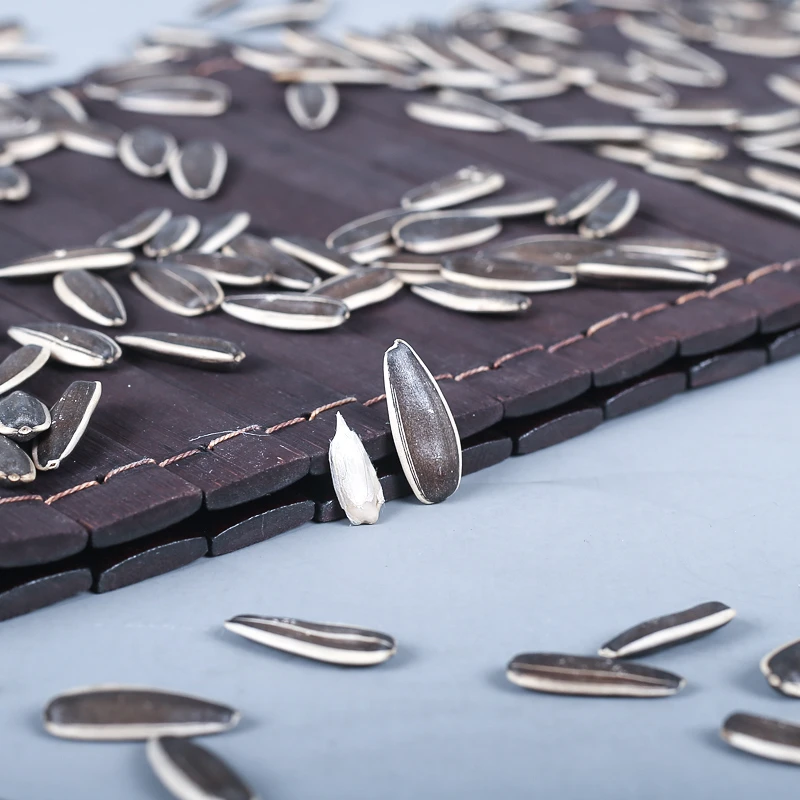
Sunflower seeds ( Helianthus annuus ) in bulk sale represent a significant commodity within the global food and oilseed industry. Positioned as a crucial intermediate product between agricultural production and downstream processing, their quality directly impacts the efficiency and yield of edible oil extraction, confectionery product manufacturing, and animal feed formulation. This guide provides a comprehensive technical overview, addressing the key considerations for procurement managers, quality control engineers, and processing specialists involved in the bulk sourcing of sunflower seeds. Core performance characteristics include oil content, kernel size, moisture content, hull percentage, and the presence of foreign material, all of which critically affect processability and final product quality. The increasing demand for plant-based proteins and healthy fats further elevates the importance of understanding the nuanced specifications and potential challenges associated with sunflower seed procurement.
Material Science & Manufacturing
Sunflower seed composition is fundamentally determined by genetics and environmental factors during growth. The kernel, representing approximately 40-50% of the seed’s weight, primarily consists of lipids (35-55%), proteins (18-25%), carbohydrates (10-20%), and fiber. The hull, or pericarp, comprises the remaining portion, providing a protective layer during growth and transport. Lipid composition varies significantly, with linoleic acid (C18:2) typically dominating (60-70%), followed by oleic acid (C18:1) – the ratio being a key determinant of oil quality and stability. Manufacturing begins with harvesting, typically employing combine harvesters equipped with threshing and cleaning mechanisms. Post-harvest processing includes drying to a standardized moisture content (typically 8-10%) to prevent fungal growth and aflatoxin contamination. Cleaning processes utilize screens, aspirators, and gravity separators to remove foreign materials such as stems, leaves, dirt, and damaged seeds. Seed sizing is also crucial; kernel size impacts oil yield and confectionery applications. Parameter control focuses on maintaining optimal drying temperatures (below 60°C to preserve oil quality), ensuring thorough cleaning to minimize contaminants, and monitoring seed moisture content throughout storage. Seed varieties are classified as confectionary (larger kernel size, black or striped hull) or oilseed (smaller kernel size, black hull). Hulling, a subsequent process, removes the pericarp, increasing the oil content and improving the seed’s appearance for direct consumption.

Performance & Engineering
The performance of sunflower seeds is critically linked to their physical and chemical properties. Force analysis during handling and processing necessitates understanding the seed’s tensile strength and impact resistance. Higher moisture content increases the susceptibility to cracking and damage during transport and de-hulling. Environmental resistance is primarily assessed through storage stability studies, focusing on susceptibility to insect infestation, fungal growth (leading to mycotoxin production), and oxidative rancidity. Long-term storage requires controlled temperature (below 15°C) and humidity (below 65%) environments. Compliance requirements are governed by international food safety standards (e.g., Codex Alimentarius) and import/export regulations. Specific regulations address acceptable levels of heavy metals (lead, cadmium), pesticides, and mycotoxins (aflatoxins, ochratoxins). Functional implementation hinges on the intended end-use. For oil extraction, high oil content and low hull percentage are paramount. For confectionery applications, kernel size, shape, and absence of defects are crucial. Seed coating technologies are employed to enhance flowability, protect against insect damage during storage, and improve oil extraction efficiency. The coefficient of friction between seeds is also an engineering consideration in conveying and sorting systems.
Technical Specifications
| Parameter | Unit | Typical Range (Oilseed Variety) | Typical Range (Confectionery Variety) |
|---|---|---|---|
| Oil Content (Dry Basis) | % | 42-50 | 40-48 |
| Moisture Content | % | 8-10 | 8-10 |
| Kernel Size (Screen Size) | mm | 10-12 | 14-16 |
| Hull Percentage | % | 20-30 | 10-20 |
| Foreign Material | % | <1 | <0.5 |
| Acid Value | mg KOH/g | <1.5 | <1.0 |
Failure Mode & Maintenance
Sunflower seeds are susceptible to several failure modes during storage and processing. Fatigue cracking occurs due to repeated mechanical stress during handling and transport, exacerbated by low moisture content. Delamination of the kernel can occur if drying is too rapid or uneven. Degradation of oil quality is primarily due to oxidation, leading to rancidity and reduced nutritional value. This is accelerated by exposure to oxygen, light, and elevated temperatures. Aflatoxin contamination, caused by Aspergillus flavus and Aspergillus parasiticus fungi, poses a significant health hazard and is a major cause of rejection. Insect infestation (e.g., storage beetles) can lead to significant losses and further fungal contamination. Maintenance strategies focus on preventative measures: strict adherence to optimal storage conditions (temperature, humidity, ventilation), regular inspection for signs of infestation or mold growth, and proper cleaning and sanitation of storage facilities. Implementation of a robust HACCP (Hazard Analysis and Critical Control Points) plan is essential. For processing equipment, regular maintenance of drying, cleaning, and de-hulling machinery is crucial to minimize seed damage and maintain product quality. Monitoring and controlling dust levels is also important to prevent fire hazards and maintain a safe working environment.
Industry FAQ
Q: What is the acceptable level of aflatoxin in bulk sunflower seeds for export to the European Union?
A: The European Union (EU) has stringent regulations regarding aflatoxin levels. Commission Regulation (EC) No 1881/2006 sets the maximum permitted levels. For non-organic sunflower seeds, the maximum limit for total aflatoxins (B1, B2, G1, G2) is 2.5 µg/kg. Regular testing and certification are required to ensure compliance.
Q: How does hull percentage affect the efficiency of oil extraction?
A: A higher hull percentage reduces the oil yield during extraction. The hull itself contains minimal oil, and its presence increases the volume of material that needs to be processed. This increases energy consumption, processing time, and waste generation. Lower hull percentages typically translate to improved oil extraction efficiency and reduced processing costs.
Q: What methods are used to determine the oil content of a sunflower seed batch?
A: The most common method is solvent extraction, typically using hexane. This involves dissolving the oil from the seed sample and measuring its weight. Other methods include Nuclear Magnetic Resonance (NMR) spectroscopy, which provides a rapid and non-destructive measurement of oil content. The accuracy and reliability of the method are critical for proper quality control.
Q: What are the key differences between confectionary and oilseed sunflower varieties from a procurement perspective?
A: Confectionary varieties command a premium price due to their larger kernel size and aesthetic appeal. Procurement specifications focus on kernel size consistency, low hull damage, and a clean, unblemished appearance. Oilseed varieties prioritize high oil content and are less sensitive to cosmetic defects. The intended end-use dictates which variety is most suitable.
Q: What are the best practices for long-term storage of bulk sunflower seeds to minimize quality degradation?
A: The ideal storage conditions include a cool, dry, and well-ventilated environment. The recommended temperature is below 15°C (59°F) and humidity below 65%. Seeds should be stored in airtight containers or silos to prevent moisture absorption and insect infestation. Regular monitoring of temperature, humidity, and seed quality is essential. Consider the use of modified atmosphere storage (MAS) with controlled oxygen and carbon dioxide levels for extended storage periods.
Conclusion
The bulk sourcing of sunflower seeds requires a thorough understanding of the interplay between agricultural practices, material science, and processing engineering. Precise control over moisture content, hull percentage, and the absence of contaminants are fundamental to ensuring optimal oil yield and product quality. Adherence to international food safety standards and implementation of robust quality control measures are non-negotiable for suppliers aiming to serve the global market.
Looking forward, advancements in seed breeding are focused on improving oil content, enhancing disease resistance, and tailoring oil profiles to meet specific nutritional requirements. Sustainable agricultural practices, minimizing pesticide use and promoting biodiversity, will become increasingly important. Furthermore, the adoption of blockchain technology for traceability and supply chain transparency will enhance consumer confidence and facilitate efficient logistics in the sunflower seed industry.
