Introduction
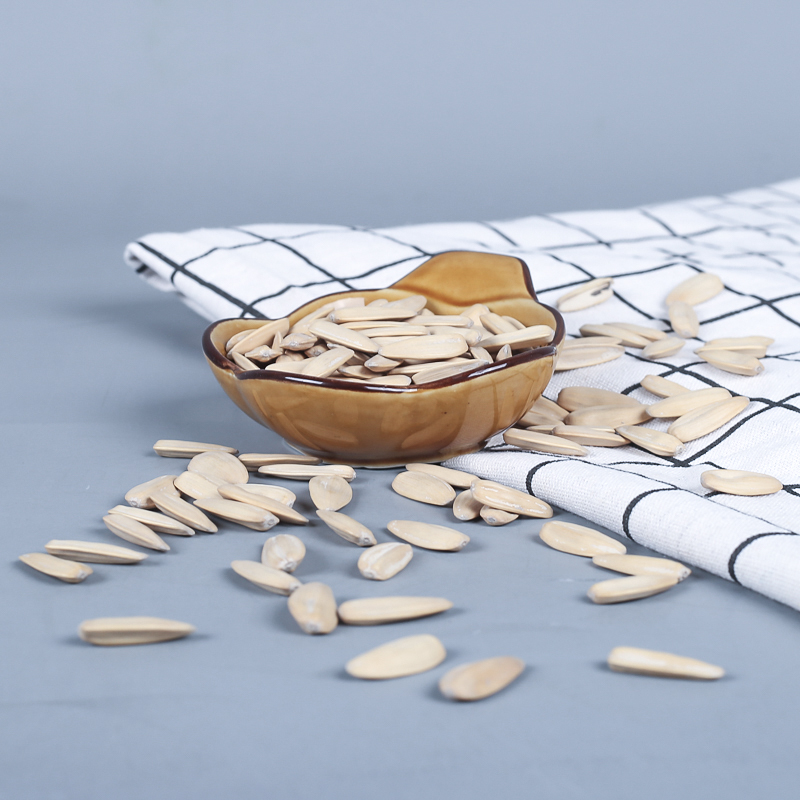
Sunflower seeds, Helianthus annuus, represent a significant agricultural commodity within the edible oilseed and snack food industries. Bulk sale manufacturers cater primarily to food processing companies, confectioneries, birdseed producers, and animal feed suppliers. Technical considerations for these seeds extend beyond simple yield and encompass factors like oil content, protein profile, fatty acid composition, moisture levels, kernel size consistency, and levels of contaminants. This guide details the critical technical aspects of sunflower seeds for bulk purchasers, addressing material science, manufacturing processes, performance characteristics, potential failure modes, and relevant industry standards. The core pain point for procurement is ensuring consistent quality and traceability to meet increasingly stringent food safety regulations and consumer demands for specific nutritional profiles. The market differentiates seeds based on confectionary versus oilseed varieties, each possessing unique characteristics impacting processing and end-product quality. Proper understanding of these characteristics is crucial for optimal performance in downstream applications.
Material Science & Manufacturing
Sunflower seeds are comprised of a shell (hull) and a kernel. The kernel is the economically important portion, containing approximately 40-55% oil, 20-25% protein, and 15-20% carbohydrate. The oil is primarily composed of linoleic acid (around 60%), oleic acid (around 20-40%, varying by hybrid), palmitic acid, and stearic acid. The protein content consists of essential amino acids. The hull, primarily cellulose and lignin, provides physical protection. Manufacturing begins with hybrid seed selection based on desired oil profile and kernel characteristics. Cultivation practices (soil type, irrigation, fertilization) significantly influence seed quality. Harvesting is critical; optimal moisture content (around 9-12%) is essential for minimizing damage and preventing fungal growth. Post-harvest processing involves cleaning (removal of debris, sticks, leaves), drying (to a stable moisture content of approximately 7-8%), dehulling (removal of the hull, impacting oil yield and protein concentration), sizing/grading (kernel size determines suitability for different applications), and sorting (removal of damaged or discolored seeds using optical sorters). Key parameters controlled during processing include drying temperature (to prevent protein denaturation), dehulling pressure (to minimize kernel breakage), and sorting criteria (based on color, size, and shape). Seed storage conditions (temperature, humidity, aeration) are paramount to prevent rancidity and maintain germination rates for seed destined for further propagation.
Performance & Engineering
The performance of sunflower seeds is evaluated through several key parameters. Oil yield, expressed as a percentage of kernel weight, directly impacts profitability. Oil quality, determined by fatty acid profile and peroxide value (a measure of rancidity), influences its suitability for various applications (e.g., edible oil, biodiesel). Kernel hardness, measured by compression tests, affects dehulling efficiency and breakage rates. Moisture content is critical; excessive moisture promotes fungal growth and mycotoxin production (aflatoxins, ochratoxins), while insufficient moisture leads to brittleness and cracking during processing. Hulling efficiency, the percentage of kernels successfully dehulled without damage, is a critical process control parameter. Storage stability, assessed through accelerated aging tests, determines shelf life. Environmental resistance concerns center around susceptibility to fungal infections (e.g., Sclerotinia, Phomopsis) and insect infestation (e.g., storage beetles). Compliance requirements include adherence to food safety regulations (e.g., HACCP, GMP), pesticide residue limits (established by regulatory bodies like the EPA and EFSA), and labeling requirements (e.g., allergen declarations). Force analysis during dehulling operations optimizes shell removal while minimizing kernel damage; this involves understanding the fracture mechanics of the hull and applying appropriate force levels. Proper ventilation and temperature control during storage mitigate the risk of self-heating and spoilage.
Technical Specifications
| Parameter | Confectionary Sunflower Seeds | Oilseed Sunflower Seeds (High Linoleic) | Oilseed Sunflower Seeds (High Oleic) |
|---|---|---|---|
| Kernel Size (mm) | 16-20 | 12-16 | 12-16 |
| Oil Content (%) | 42-48 | 48-55 | 60-75 |
| Protein Content (%) | 22-28 | 20-25 | 18-22 |
| Linoleic Acid (%) | 50-65 | 60-75 | <20 |
| Oleic Acid (%) | 20-30 | 15-25 | 65-85 |
| Moisture Content (%) | <7 | <7 | <7 |
| Foreign Matter (%) | <1 | <1 | <1 |
Failure Mode & Maintenance
Common failure modes for sunflower seeds include kernel cracking during processing (due to low moisture content or excessive force), fungal contamination (leading to mycotoxin accumulation), insect infestation (causing weight loss and quality degradation), rancidity (resulting from lipid oxidation), and sprouting (during storage due to elevated temperature and humidity). Fatigue cracking can occur during dehulling if equipment is not properly maintained. Delamination of the kernel can result from improper drying techniques. Degradation of oil quality is accelerated by exposure to light, oxygen, and elevated temperatures. Oxidation leads to off-flavors and reduced nutritional value. Maintenance solutions include regular cleaning and sanitation of processing equipment, proper storage conditions (temperature control, humidity control, aeration), pest control measures (integrated pest management), and quality control monitoring (moisture content, mycotoxin levels, oil quality). Preventative maintenance schedules for dehulling equipment are crucial to minimize kernel damage. Implementing a First-In, First-Out (FIFO) inventory system minimizes storage time and reduces the risk of spoilage. Regular laboratory testing for mycotoxins and pesticide residues is essential for ensuring product safety and compliance.
Industry FAQ
Q: What are the primary differences between confectionary and oilseed sunflower seeds in terms of processing requirements?
A: Confectionary seeds require more gentle handling during dehulling to minimize kernel damage, impacting appearance and flavor. Oilseed varieties can tolerate more aggressive processing due to their intended end-use. Confectionary seeds often undergo further sorting based on size and shape, while oilseed seeds are typically processed directly for oil extraction.
Q: How does moisture content affect the storage stability of sunflower seeds?
A: Maintaining a low and stable moisture content (<7%) is critical. High moisture content promotes fungal growth and mycotoxin production. Low moisture content can lead to brittleness and cracking. Proper aeration and temperature control are essential to prevent moisture fluctuations during storage.
Q: What are the key considerations for preventing mycotoxin contamination?
A: Minimize pre-harvest stress on the plants, ensure proper harvesting at optimal maturity, promptly dry seeds to appropriate moisture levels, maintain sanitary storage conditions, and implement a rigorous quality control program including regular mycotoxin testing.
Q: How does the fatty acid profile of sunflower oil impact its applications?
A: High linoleic oil is suitable for general-purpose cooking oil and salad dressings. High oleic oil offers improved oxidative stability and is preferred for frying and high-heat applications. The specific fatty acid profile dictates the oil's nutritional value and shelf life.
Q: What regulations govern the acceptable levels of pesticide residues in sunflower seeds?
A: Regulations vary by country. In the US, the EPA sets Maximum Residue Limits (MRLs). In Europe, the EFSA establishes ARfDs (Acute Reference Doses) and ADIs (Acceptable Daily Intakes). Bulk purchasers must ensure compliance with the regulations of their target market.
Conclusion
Sunflower seeds, as a bulk commodity, require a nuanced understanding of their material properties and processing requirements. Ensuring consistent quality necessitates meticulous control over cultivation, harvesting, post-harvest handling, and storage conditions. The differentiation between confectionary and oilseed varieties dictates specific processing parameters and quality standards.
Proactive management of potential failure modes—including fungal contamination, insect infestation, and rancidity—is critical for preserving product integrity and maintaining market access. Adherence to international regulatory standards and a commitment to rigorous quality control are paramount for building trust and ensuring long-term success in the sunflower seed market.
