
Introduction
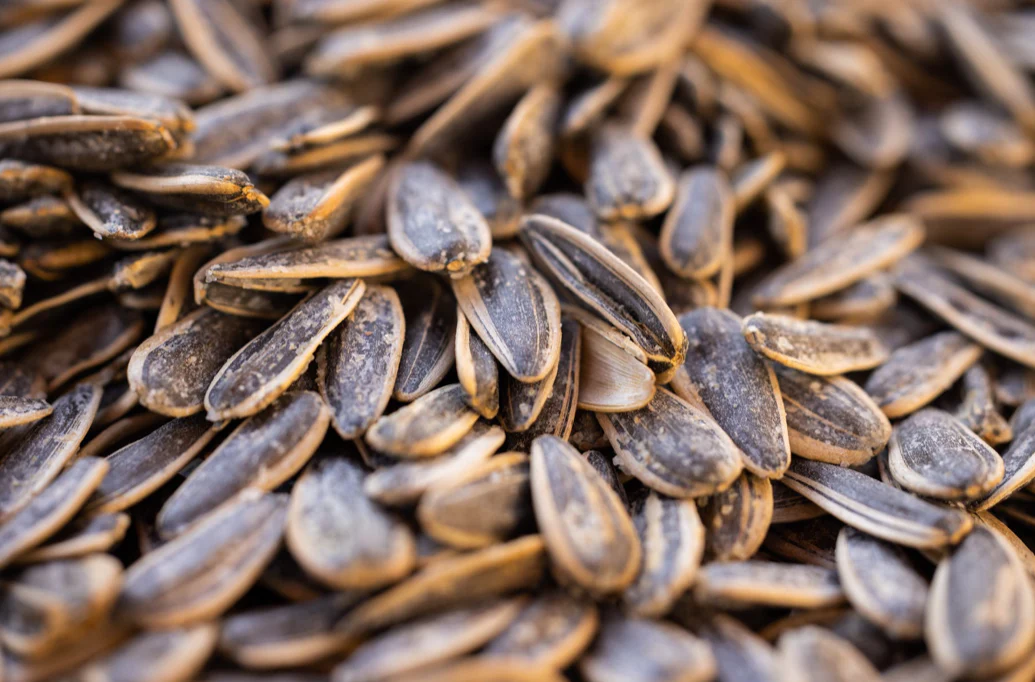
Sunflower seeds ( Helianthus annuus), particularly those intended for bulk sale, represent a significant commodity within the agricultural and food processing industries. These seeds occupy a crucial position in the value chain, transitioning from agricultural production to industrial processing and ultimately, consumer products. This guide provides a comprehensive technical overview of sunflower seeds intended for bulk sale, encompassing material science, manufacturing processes, performance characteristics, potential failure modes, and relevant industry standards. Core performance metrics for bulk sunflower seeds include oil content, protein content, moisture levels, hulling percentage, and freedom from contaminants. The primary pain point for bulk purchasers is consistency of these parameters batch-to-batch, alongside concerns regarding mycotoxin levels and overall seed health, which directly impacts processing efficiency and final product quality.
Material Science & Manufacturing
Sunflower seeds are composed of three primary components: the kernel (cotyledon), the hull (pericarp), and the embryonic root. The kernel is rich in lipids (35-55% oil content, varying by cultivar), proteins (18-25%), carbohydrates, and various micronutrients. The hull, primarily cellulose and lignin, provides physical protection. Manufacturing begins with agricultural cultivation, focusing on hybrid varieties bred for high yield, oil content, and disease resistance. Post-harvest processing involves cleaning (removal of debris, stems, leaves), drying (to a moisture content of 8-10% to inhibit microbial growth), dehulling (optional, depending on the end-use – confectionary vs. oil extraction), sizing (grading seeds by size using screens), and polishing. Parameter control is critical at each stage. Drying temperature must be carefully managed to avoid protein denaturation and lipid oxidation. Dehulling efficiency impacts yield and seed quality. Seed size and shape influence flowability during processing. The chemical composition is fundamentally determined by genetics, but environmental factors (soil composition, sunlight, water availability) during growth significantly influence oil profile (oleic vs. linoleic acid ratio) and protein content. Proper storage, involving temperature and humidity control, is paramount to preventing rancidity and maintaining seed viability.
Performance & Engineering
The performance of sunflower seeds in bulk handling and processing is dictated by their physical and mechanical properties. Key considerations include bulk density (influences storage and transportation logistics), angle of repose (impacts flowability in processing equipment), impact resistance (resistance to cracking during handling), and shear strength (relevant during dehulling and oil extraction). Environmental resistance is primarily concerned with moisture uptake, which can lead to mold growth and mycotoxin production (aflatoxins, ochratoxins). Packaging must provide an effective barrier to moisture and oxygen. Compliance requirements include adherence to food safety regulations (HACCP, GMP) and maximum permissible levels of contaminants (heavy metals, pesticides). Engineering considerations involve optimizing seed flow in conveyors and processing equipment to minimize damage and maximize throughput. Force analysis is crucial in designing dehulling machines to balance cracking efficiency with kernel damage. The oil extraction process requires understanding the seed’s cell wall structure and employing appropriate techniques (mechanical pressing, solvent extraction) to maximize oil yield. Thermal properties are important during roasting/heating processes for confectionary applications.
Technical Specifications
| Parameter | Unit | Typical Range | Test Method |
|---|---|---|---|
| Oil Content (Dry Basis) | % | 42-58 | NMR, Soxhlet Extraction (AOCS Official Method) |
| Protein Content (Dry Basis) | % | 18-28 | Kjeldahl Method (AOCS Official Method) |
| Moisture Content | % | 8-10 | Oven Drying (AOCS Official Method) |
| Hulling Percentage | % | 40-60 | Manual/Mechanical Separation & Weighing |
| Kernel Size (Diameter) | mm | 8-12 | Sieve Analysis |
| Aflatoxin B1 | ppb | < 20 | ELISA, HPLC (AOCS Official Method) |
Failure Mode & Maintenance
Sunflower seeds, during bulk storage and handling, are susceptible to several failure modes. Microbial growth (mold, yeast) is a primary concern, leading to spoilage and mycotoxin contamination. This is exacerbated by high moisture content and inadequate ventilation. Lipid oxidation results in rancidity, indicated by off-flavors and reduced nutritional value. This is accelerated by exposure to oxygen, light, and elevated temperatures. Physical damage (cracking, chipping) can occur during handling and processing, reducing seed quality and increasing fines (small broken pieces). Insect infestation can lead to seed loss and contamination. Maintenance strategies include implementing strict quality control procedures during harvesting and processing, ensuring proper storage conditions (cool, dry, well-ventilated), employing preventative pest control measures, and regularly monitoring seed quality for moisture content, oil oxidation levels (peroxide value), and mycotoxin contamination. Regular cleaning of storage facilities and processing equipment is essential to prevent microbial buildup. For oilseed processors, proper maintenance of extraction and refining equipment is crucial to prevent contamination and maintain oil quality.
Industry FAQ
Q: What is the significance of the acid value in sunflower seeds, and what does a high acid value indicate?
A: The acid value is a measure of the free fatty acids present in the oil. A high acid value indicates lipid hydrolysis, which means the triglycerides in the oil have broken down into free fatty acids. This is a sign of rancidity and degradation, often caused by improper storage, high temperatures, or enzymatic activity. High acid values negatively impact oil quality, flavor, and shelf life.
Q: How do you ensure consistent oil content across different batches of bulk sunflower seeds?
A: Consistent oil content is achieved through rigorous quality control throughout the supply chain. This includes sourcing from reputable growers utilizing consistent hybrid varieties, implementing standardized harvesting and drying procedures, and employing regular oil content analysis using standardized methods (NMR is preferred for speed and accuracy). Statistical process control (SPC) is used to monitor oil content and identify potential deviations.
Q: What are the acceptable limits for heavy metal contamination in sunflower seeds intended for human consumption?
A: Acceptable limits for heavy metals (lead, cadmium, mercury, arsenic) are regulated by food safety authorities in each country. Typically, these limits are expressed in parts per million (ppm) or micrograms per kilogram (µg/kg). Compliance with regulations like those set by the FDA (US) or EFSA (Europe) is critical. Regular testing using methods like Inductively Coupled Plasma Mass Spectrometry (ICP-MS) is required.
Q: What impact does the hulling percentage have on the final product quality for confectionary sunflower seeds?
A: A higher hulling percentage is generally desirable for confectionary seeds, as it results in a larger kernel-to-hull ratio, providing a better eating experience. Hulls can contribute to a gritty texture and lower the overall palatability. However, complete hull removal can be challenging and may result in kernel damage. Optimal hulling percentage is a balance between maximizing kernel size and minimizing damage.
Q: What are the best practices for long-term storage of bulk sunflower seeds to minimize quality degradation?
A: Optimal long-term storage involves maintaining a cool temperature (below 20°C / 68°F), low humidity (below 65% RH), and adequate ventilation. Seeds should be stored in sealed, airtight containers or silos to prevent moisture uptake and oxygen exposure. Regular monitoring of temperature, humidity, and seed quality (moisture content, acid value) is crucial. Implementing a First-In, First-Out (FIFO) inventory management system is also recommended.
Conclusion
Sunflower seeds for bulk sale represent a complex agricultural commodity requiring meticulous attention to material science, manufacturing processes, and quality control. Maintaining consistent oil content, protein levels, and minimizing contaminants are paramount to meeting the demands of downstream processors and ensuring consumer safety. Understanding the potential failure modes – primarily microbial growth and lipid oxidation – and implementing appropriate preventative measures are vital for preserving seed quality throughout the supply chain.
Future trends in the industry will likely focus on developing sunflower cultivars with enhanced nutritional profiles (e.g., higher oleic acid content), improving storage technologies to extend shelf life, and implementing more sophisticated monitoring systems to ensure food safety. Continued adherence to international standards and best practices will be essential for maintaining the competitiveness and sustainability of the sunflower seed industry.
